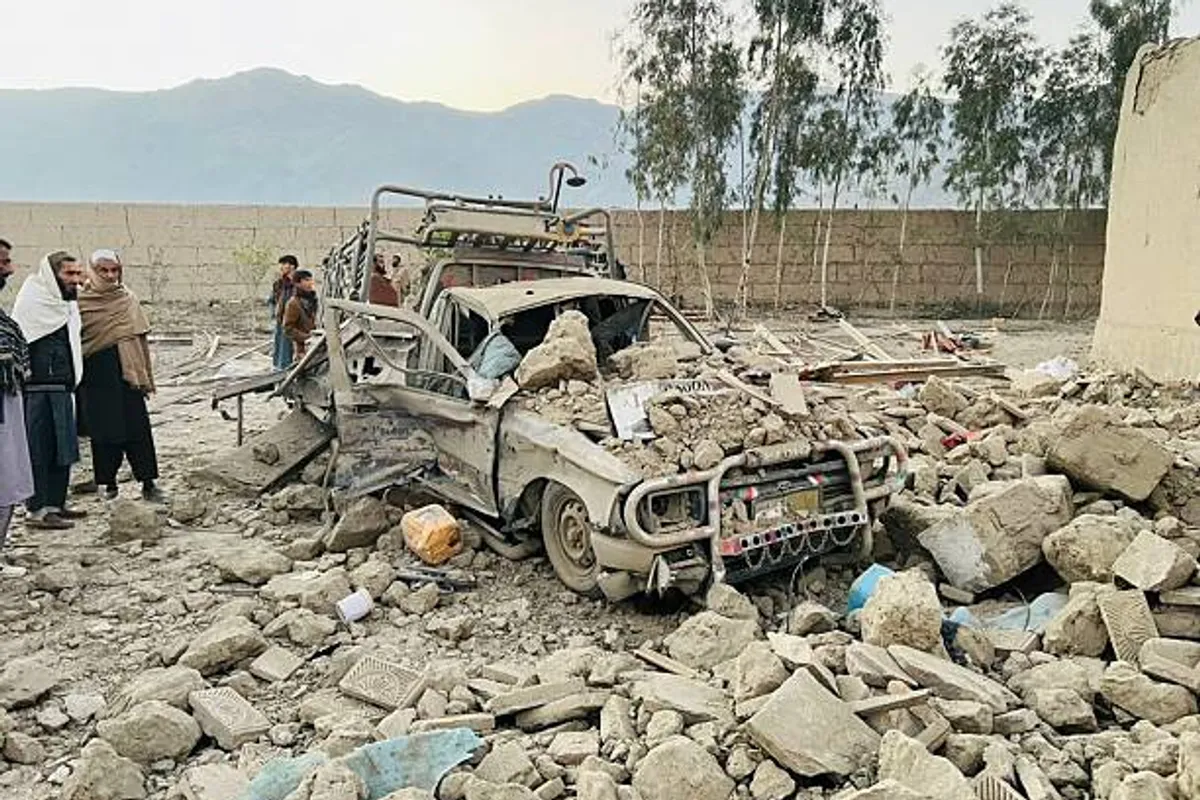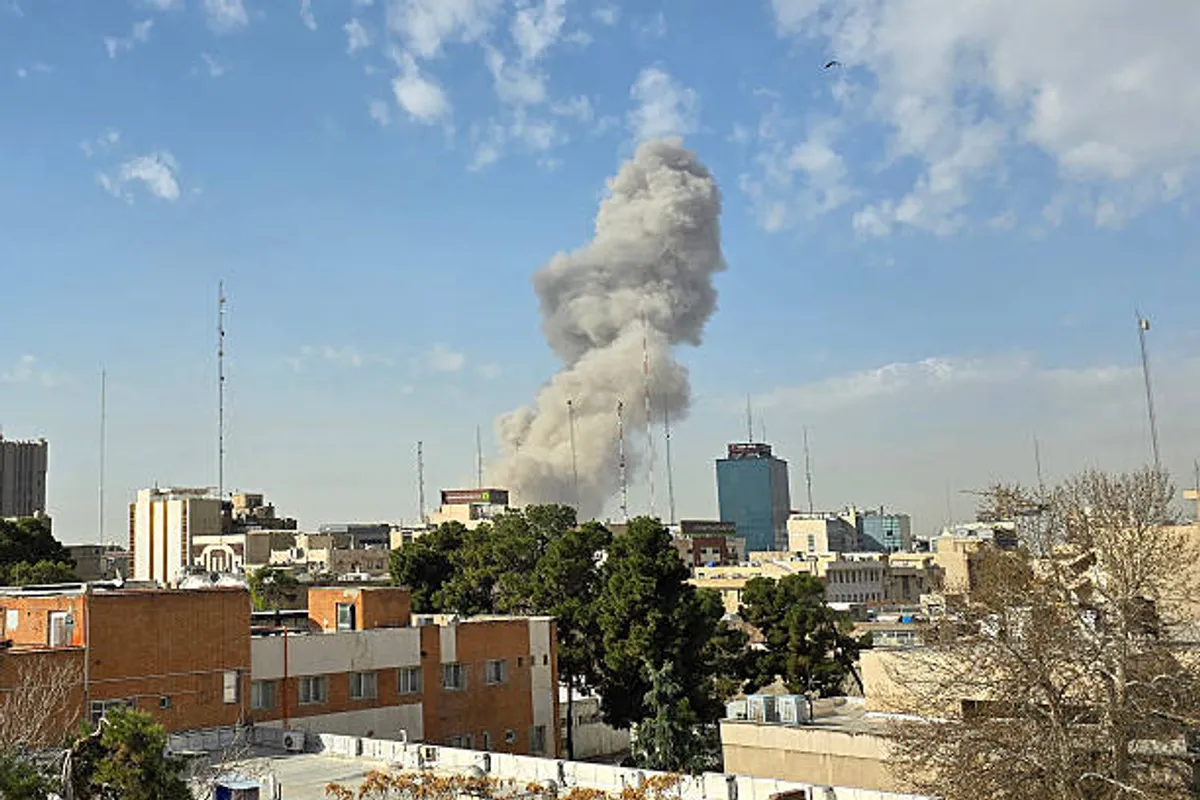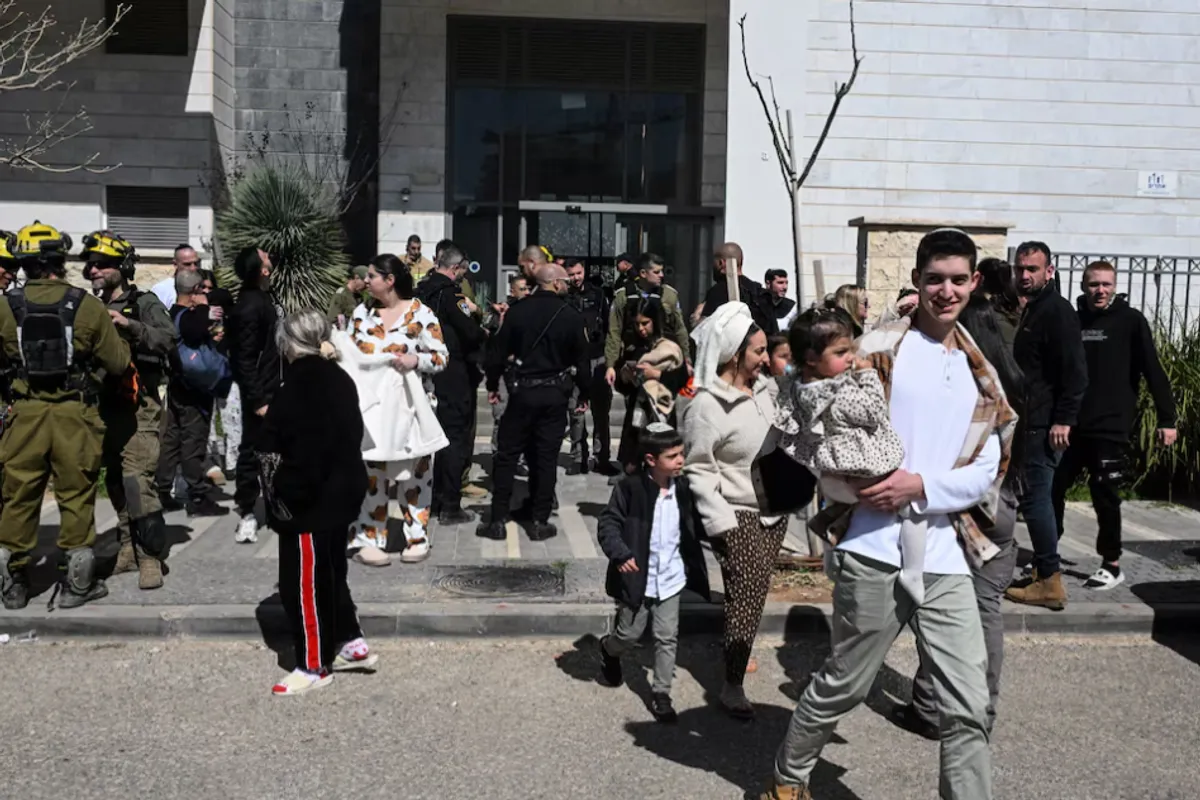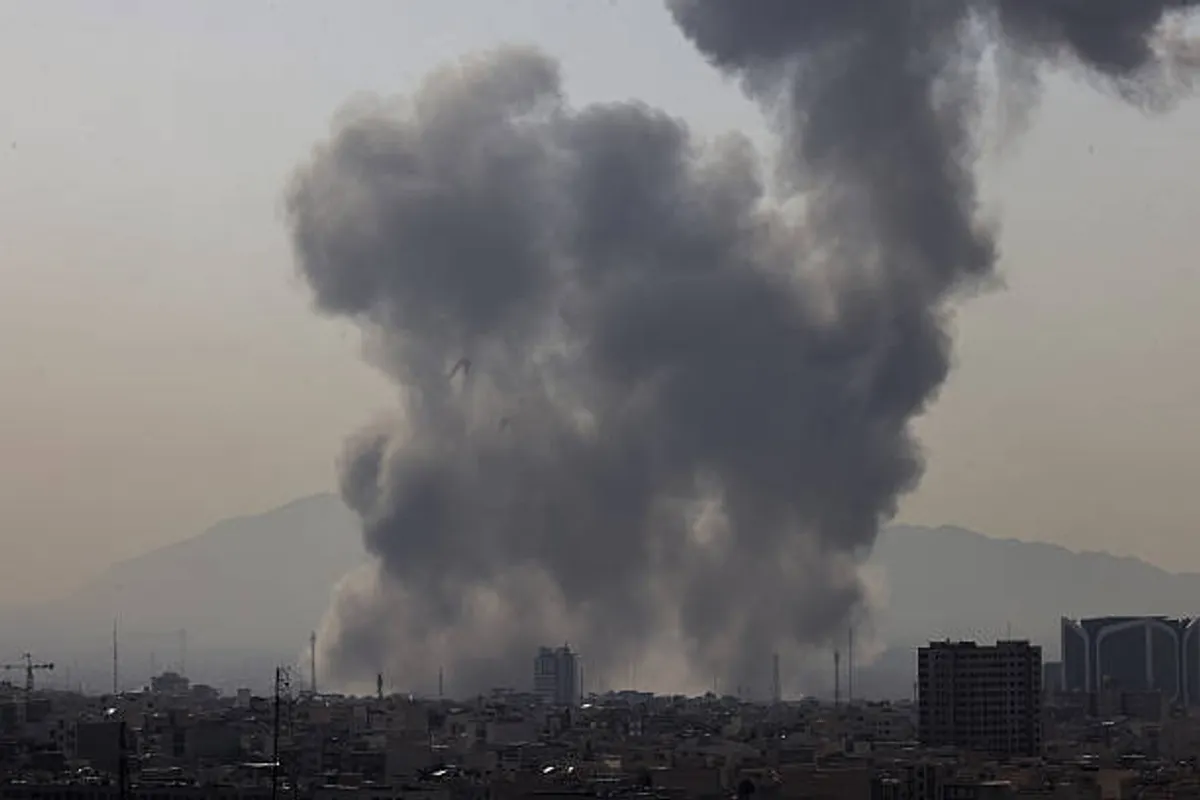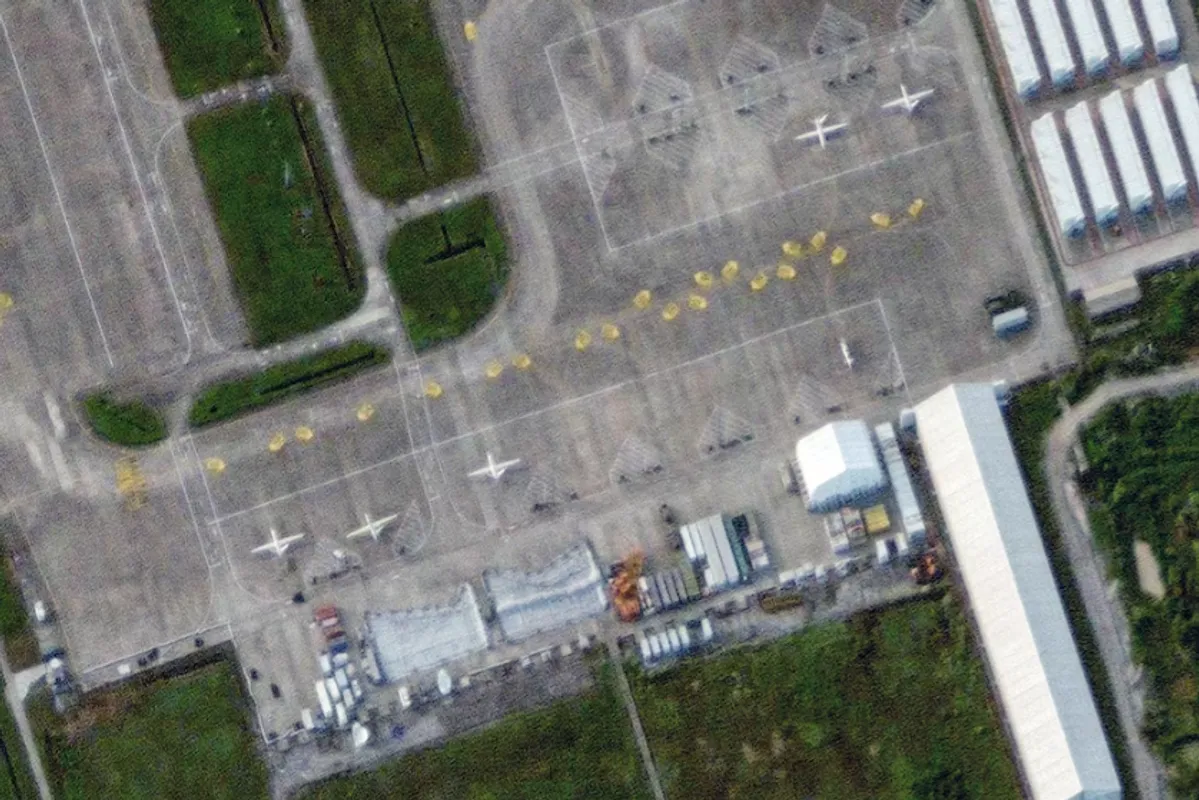
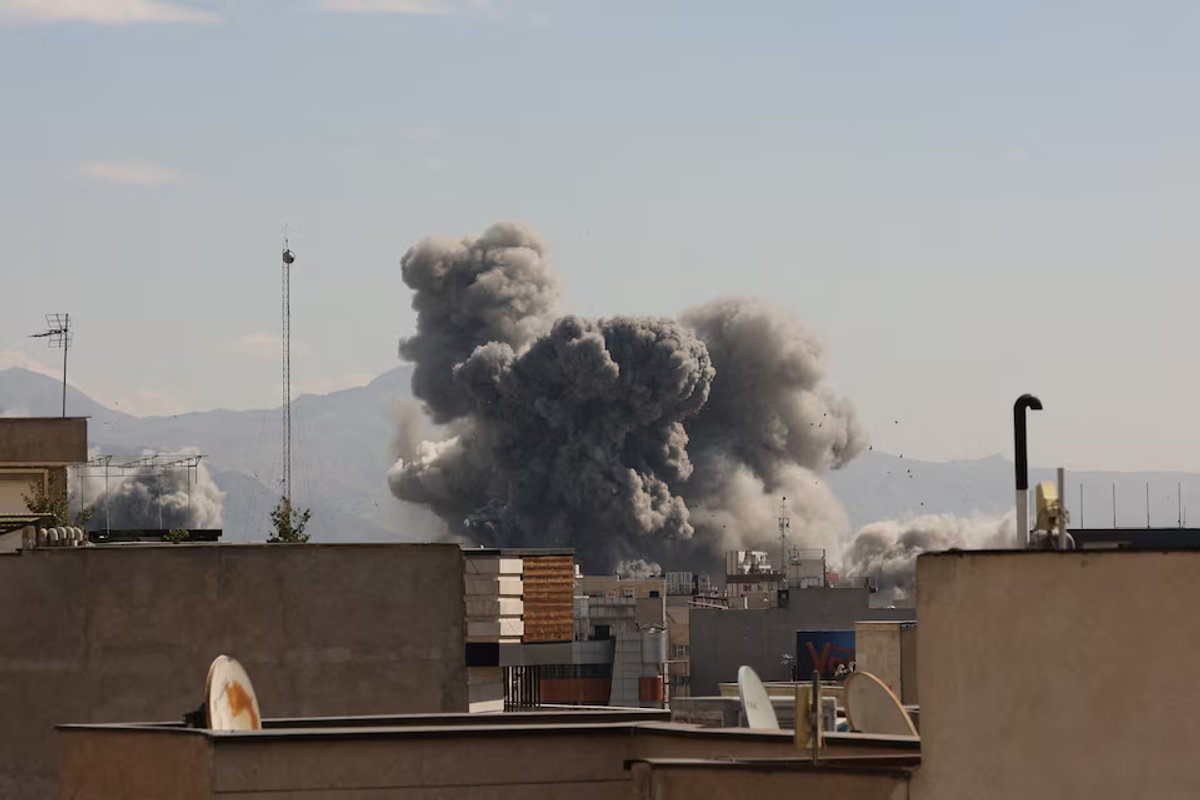
JERUSALEM, March 1 (GeokHub) — Israel said Sunday it carried out a new wave of airstrikes deep inside Tehran, hours after confirming that an earlier joint operation with the United States killed Iran’s Supreme Leader, Ali Khamenei.
The Israeli military described the latest operation as a broad assault designed to open what it called the “path to Tehran,” signaling a continued campaign aimed at crippling Iran’s military and political command structure.
Iranian state media confirmed that Khamenei, 86, had died in the previous strikes — marking a historic turning point for the Islamic Republic and dramatically raising fears of prolonged instability across the Middle East.
Leadership Transition Underway
Under Iran’s constitution, the Supreme Leader is appointed by the Assembly of Experts, an 88-member clerical body responsible for overseeing and, in theory, dismissing the country’s highest authority. The role carries ultimate power over Iran’s armed forces and foreign policy.
An adviser to Khamenei, senior security official Ali Larijani, said a temporary leadership council would be formed in accordance with constitutional provisions until a successor is selected.
Sources familiar with the planning of the operation said the timing of Saturday’s strike coincided with a high-level meeting Khamenei was holding with senior aides.
Iranian insiders indicated that authorities would move quickly to appoint a successor to project stability and prevent internal power struggles.
Military Leadership Also Targeted
In another major development, Iran’s Armed Forces Chief of Staff, Abdolrahim Mousavi, was reported killed in the strikes. The loss of top military leadership compounds the uncertainty facing Tehran at a moment of national crisis.
Analysts warn that the elimination of both political and military figures in quick succession may reshape Iran’s internal balance of power, potentially strengthening hardline factions within the security establishment.
Retaliation and Regional Risk
Iran responded with airstrikes around the Gulf, expanding the geographic scope of the conflict. The United Arab Emirates — a key U.S. ally and major energy exporter — has reportedly borne significant impact from retaliatory actions.
Anwar Gargash, adviser to the UAE president, urged Iran to exercise restraint and emphasized that Gulf Arab states are not parties to the broader conflict.
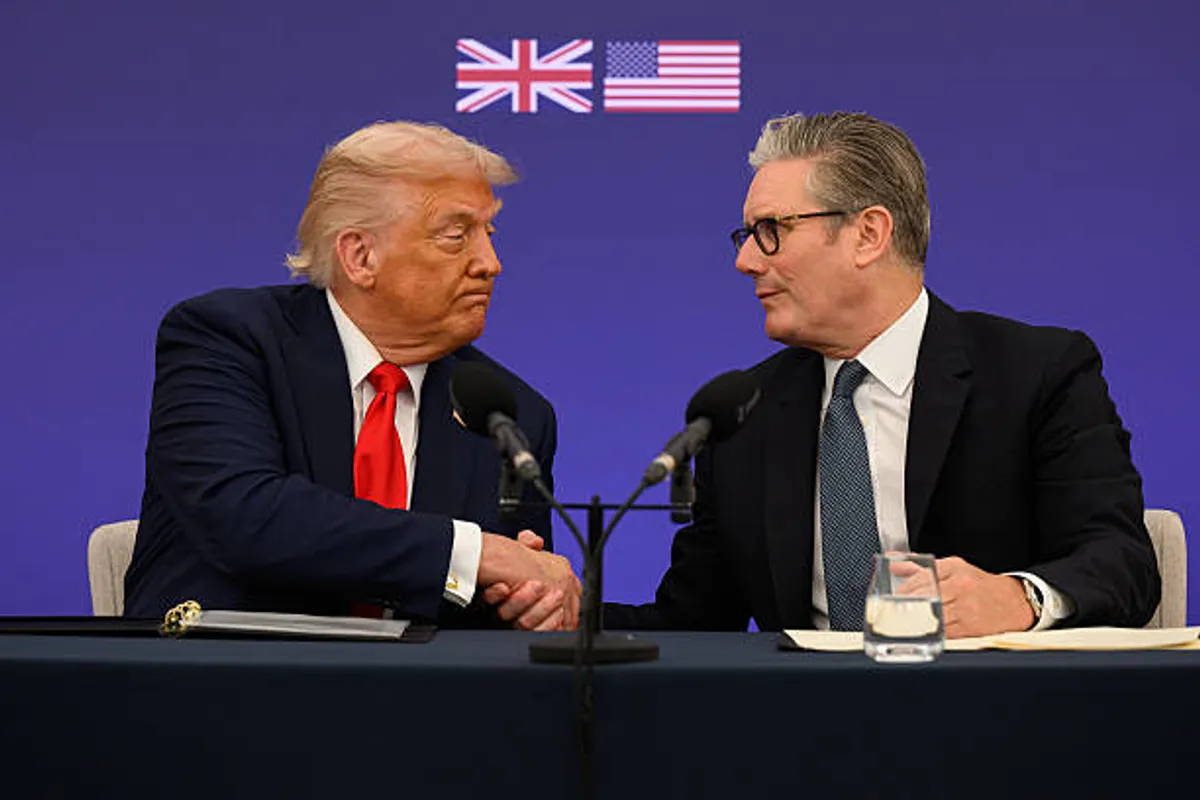
U.S. President Donald Trump warned that Washington would respond with overwhelming force if Iran escalates further. His remarks underscored the growing risk that the confrontation could evolve into a broader regional war.