Europe Pushes Back on U.S. Military Operations as Divisions Deepen Over Iran War
Daniel Okoye
PARIS/ROME, March 31 (GeokHub) — Key European allies are pushing back against aspects of U.S.-led military operations linked to the Iran conflict, exposing growing divisions within the NATO alliance as the war continues.
Governments in France, Italy, and Spain have taken steps to limit support for certain military activities, signaling unease over the direction and scale of the ongoing campaign.
France refused to allow aircraft carrying military supplies to pass through its airspace, marking a notable shift in its stance since the conflict began.
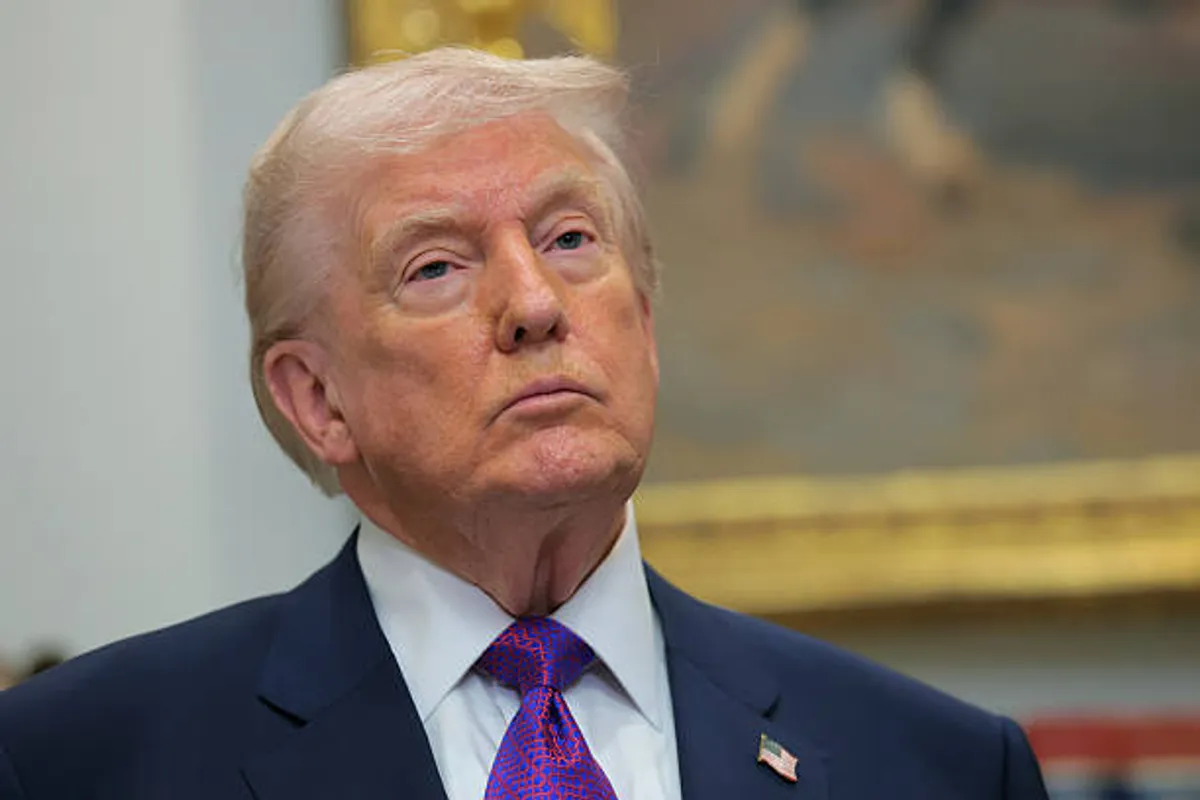
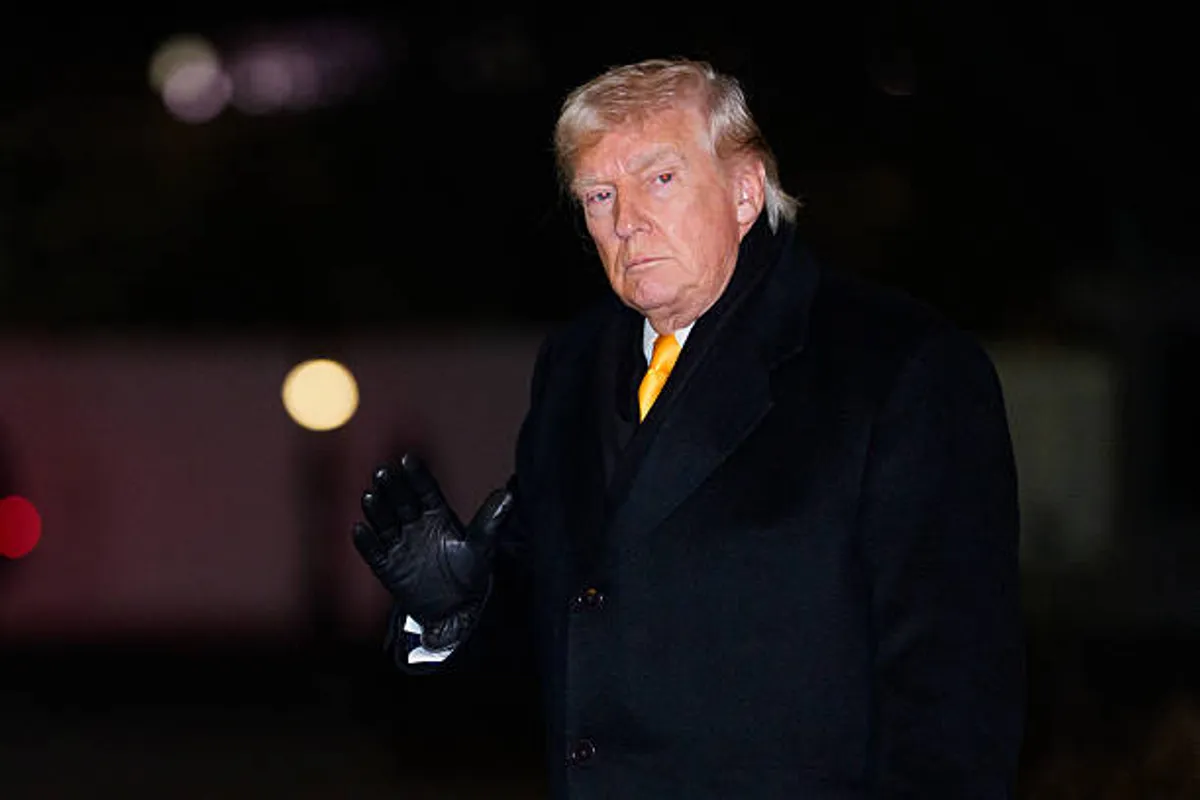
The decision drew sharp criticism from U.S. President Donald Trump, who accused Paris of being “unhelpful.” French officials, however, maintained that the move aligns with their consistent policy approach to the conflict.
The restriction reportedly disrupted planned logistics routes for transporting military equipment, highlighting tensions between allies over operational coordination.
Italy Limits Military Access
Italy also declined permission for certain U.S. military aircraft to use a key air base in Sicily for missions connected to the Middle East.
Italian officials later clarified that U.S. bases remain operational but emphasized that special authorization is required for activities beyond existing agreements, signaling a more cautious stance without directly opposing Washington.
Spain Takes Stronger Position
Spain adopted one of the firmest positions, fully restricting its airspace from being used for operations linked to strikes on Iran.
Spanish leaders have been among the most vocal critics of the military campaign, stating that their support would be limited strictly to collective defense obligations under NATO.
The differing positions among European allies underscore growing strain within NATO, traditionally a unified defense bloc. Trump has publicly criticized several allies, accusing them of failing to provide adequate support during the conflict.
These disagreements raise broader questions about alliance cohesion, especially as the war continues to impact global security and energy markets.
Wider Implications
The reluctance of European nations to fully back U.S. operations reflects concerns over escalation risks and the legal and political implications of the war.
Analysts say the divisions could influence future military cooperation and reshape transatlantic relations, particularly if the conflict drags on or expands further.
For now, the situation highlights a delicate balance between alliance commitments and national policy decisions in an increasingly complex geopolitical landscape.