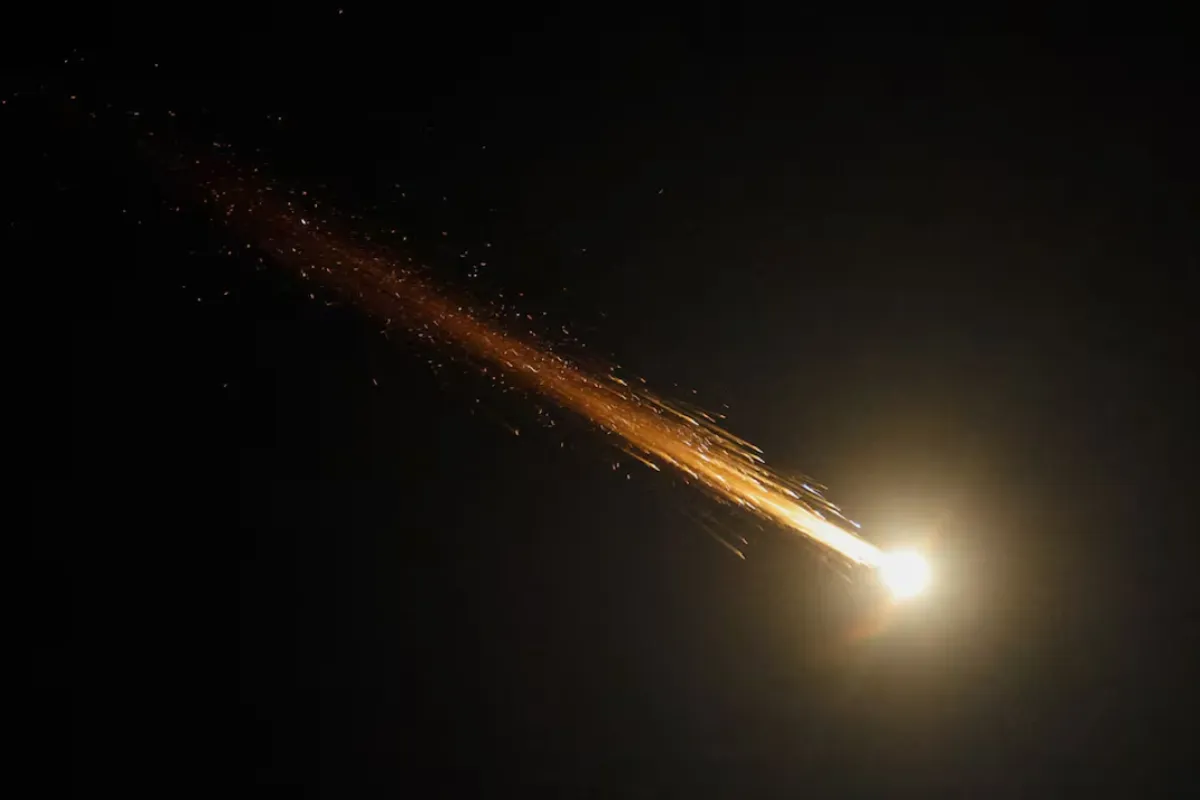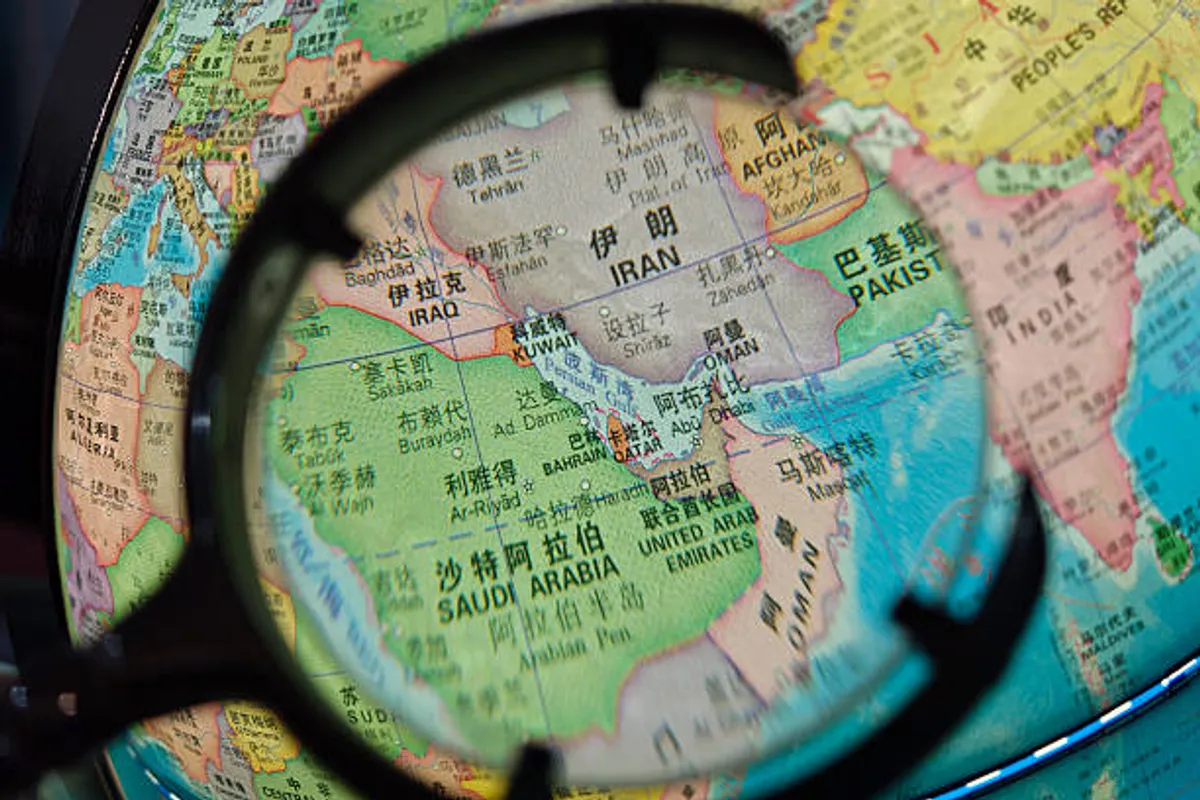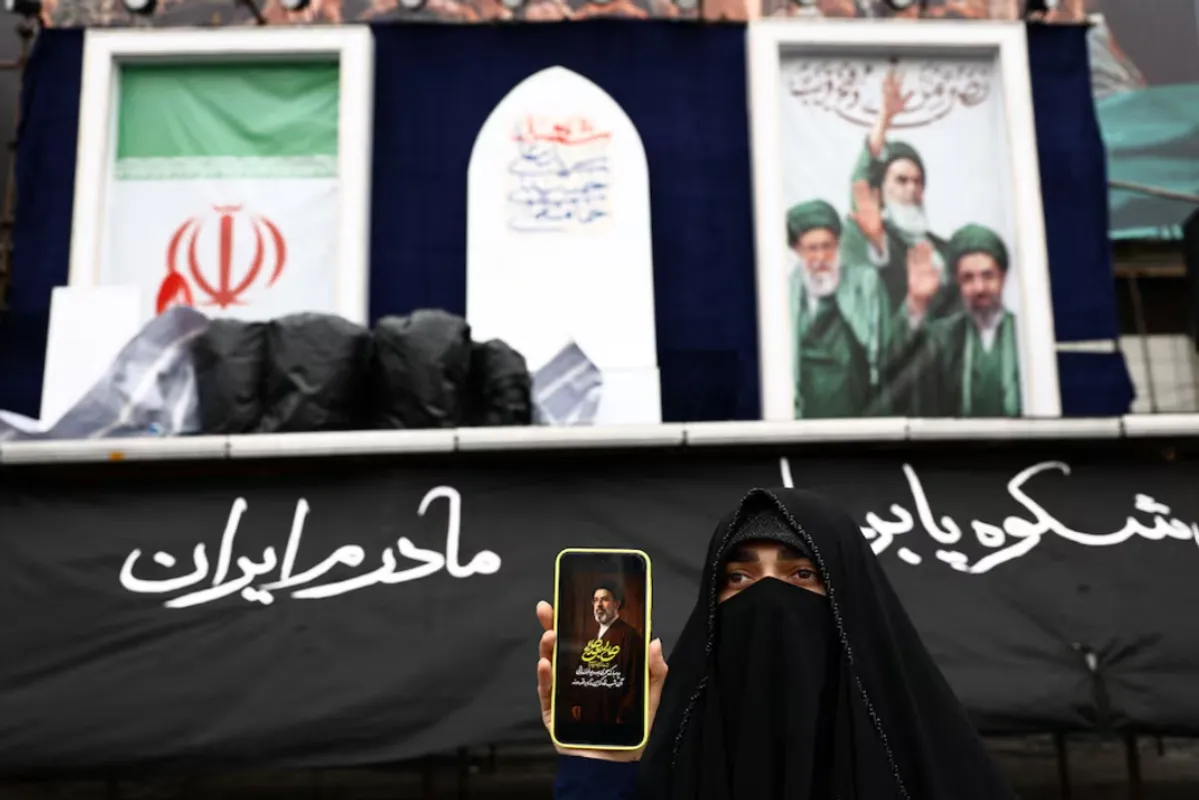
WASHINGTON/CAIRO — April 3 (GeokHub) Tensions in the Middle East surged sharply on Friday after Iran confirmed it had brought down a U.S. military aircraft, marking a significant escalation in the ongoing conflict between both nations.
According to officials, the aircraft—believed to be a two-seat fighter jet—was struck during operations over Iranian territory. One crew member successfully ejected and was later rescued, while another remains unaccounted for, raising urgent concerns within U.S. defense circles.
The incident represents the first confirmed case of a U.S. warplane being downed since hostilities began five weeks ago, signaling that the airspace over Iran remains highly contested despite earlier claims of dominance by U.S. leadership.
Air Superiority Claims Challenged
The downing of the aircraft casts doubt on assurances from the administration of Donald Trump and Defense Secretary Pete Hegseth, who had previously suggested that allied forces had established full control of the skies.
Military analysts note that the survival of Iranian air defense capabilities poses an ongoing risk to aerial missions, particularly as search-and-rescue operations were reportedly met with resistance on the ground.
Eyewitness accounts from local sources indicate that rescue helicopters operating in the area came under fire, complicating efforts to recover personnel and secure the crash site.
In a separate development, another U.S. military aircraft reportedly crashed in the Gulf region the same day. The pilot was successfully rescued, but the cause of the crash remains unclear.
While officials have yet to confirm whether the incidents are connected, the timing has intensified concerns over operational risks facing U.S. forces across the region.
No Clear End to the Conflict
The latest developments highlight the growing intensity of a war that shows little sign of slowing down. Diplomatic efforts aimed at securing a ceasefire appear to have stalled, with Iran reportedly unwilling to engage in upcoming negotiations.
The broader conflict has already resulted in significant casualties. U.S. military figures indicate that multiple service members have been killed, with hundreds more injured since the fighting began.
At the same time, Iran has continued launching drone and missile attacks toward Israel and strategic targets across the Gulf, raising fears of a wider regional escalation.
Regional Infrastructure Under Threat
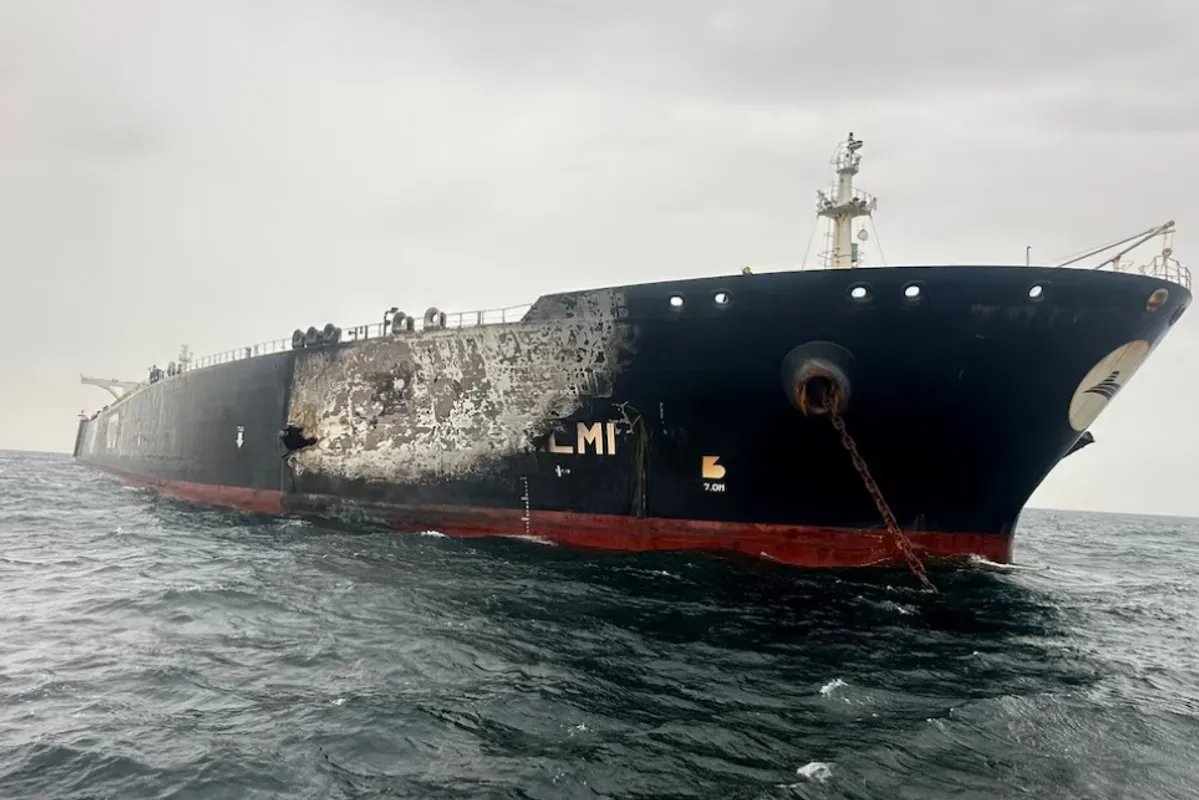
Critical infrastructure has increasingly become a focal point of the conflict. Iran reportedly targeted key energy and water facilities in the Gulf, exposing vulnerabilities in countries that rely heavily on such systems.
In response, President Donald Trump signaled a more aggressive military posture, warning that future strikes could target bridges, power stations, and other vital installations within Iran.
The rhetoric marks a potential shift toward broader strategic targeting, raising concerns among global observers about the long-term implications for regional stability and economic security.
Global Economic Concerns Grow
The conflict is also beginning to ripple through global markets. Oil prices have already shown volatility amid fears of supply disruptions, particularly as key infrastructure and shipping routes in the region face increasing threats.
With no immediate resolution in sight, analysts warn that continued escalation could have lasting consequences not only for the Middle East but for the global economy at large.