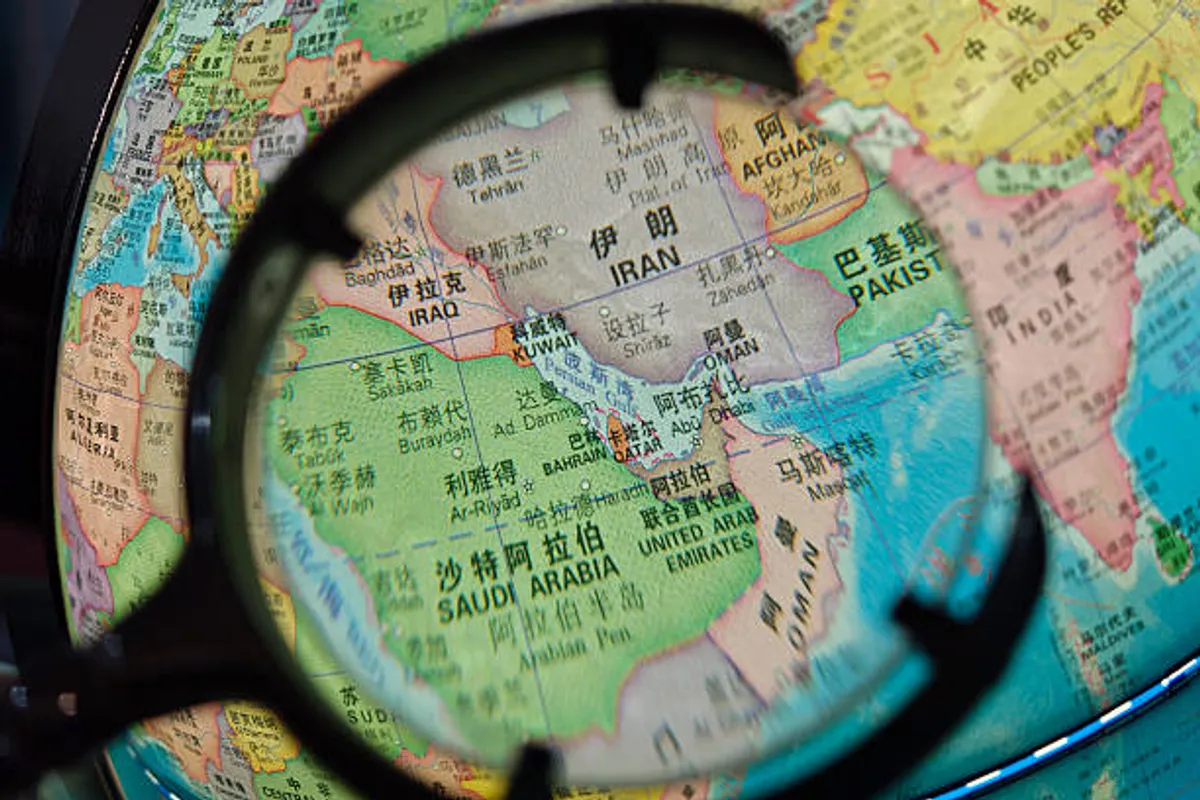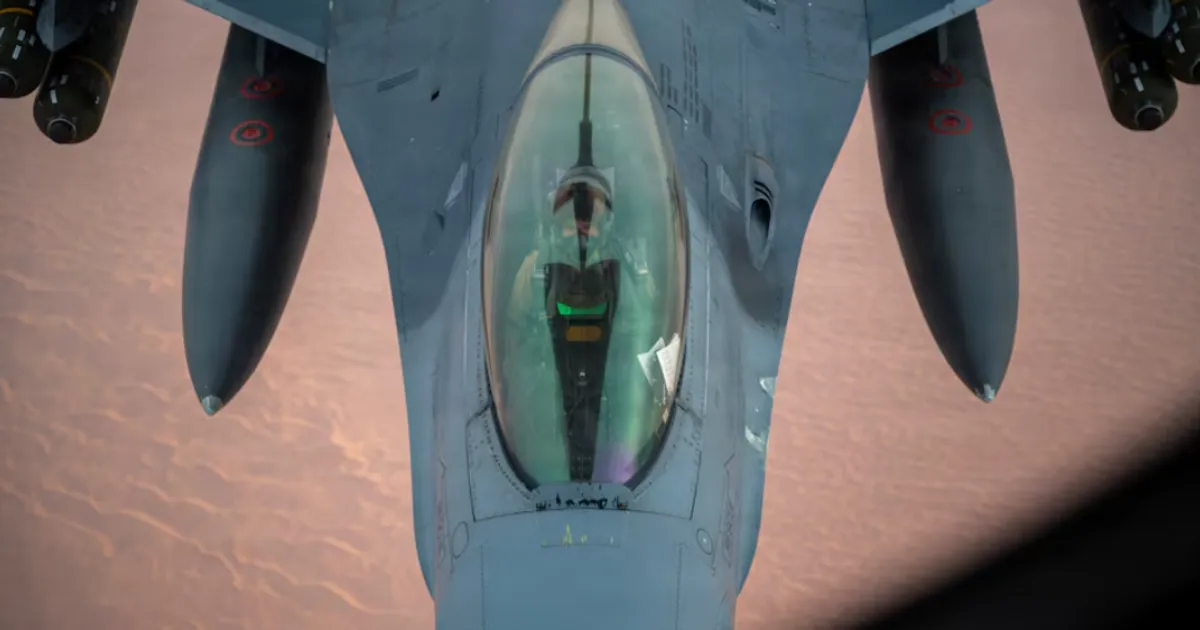
WASHINGTON/CAIRO — April 4 (GeokHub) The Middle East conflict entered a more dangerous phase on Saturday as Iranian forces intensified efforts to locate a missing U.S. pilot following the downing of two American military aircraft in recent days.
U.S. officials confirmed that one of the aircraft was brought down over Iranian territory, while another incident occurred in the Gulf region. The fate of one pilot remains uncertain, heightening tensions in a war that has now stretched into its sixth week with little indication of diplomatic progress.
Search Operation Raises Stakes
Iranian military units have reportedly launched a ground search operation in the southwest of the country, focusing on the area where the aircraft is believed to have crashed. Authorities in the region have publicly called for the capture of any surviving U.S. personnel, underscoring the seriousness of the situation.
The possibility that an American pilot may still be alive inside hostile territory presents a major challenge for Washington, increasing both military and political pressure on the administration of Donald Trump.
Officials say efforts to locate and extract the missing service member have already faced resistance, with reports that rescue helicopters came under fire while attempting to operate near Iranian airspace.
Air Superiority Under Question
The incidents involving the downed aircraft have cast renewed doubt on claims by U.S. leadership that allied forces have secured full control of the skies.
Defense Secretary Pete Hegseth had previously emphasized air dominance, but recent events suggest that Iranian defenses remain capable of challenging U.S. and allied operations.
Military analysts warn that continued exposure of aircraft to hostile fire could complicate future missions and prolong the conflict.
Iran Signals Defiance
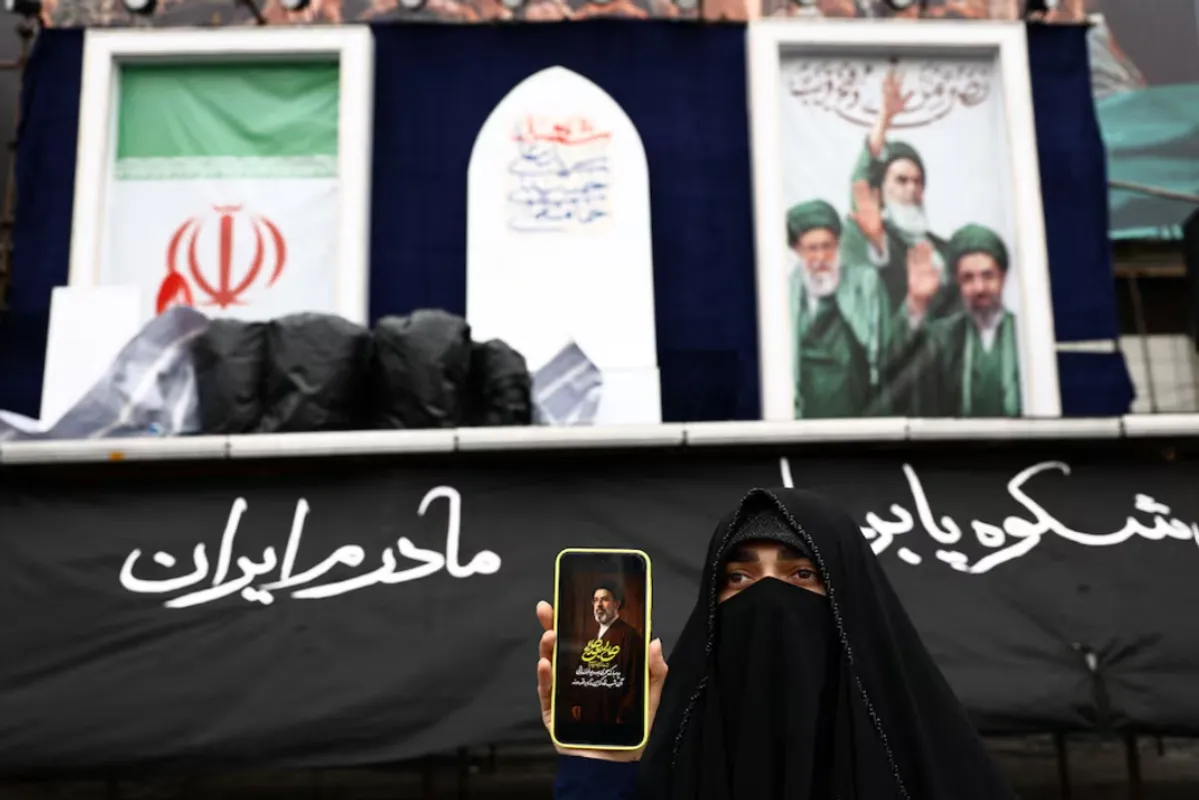
Iranian officials have responded to the developments with a mix of military action and political messaging. Public statements from senior figures framed the downing of the aircraft as a shift in the dynamics of the war, suggesting that the conflict is moving into a new phase.
Meanwhile, diplomatic efforts appear to have stalled. Iranian authorities have indicated they are not prepared to engage in proposed talks, signaling that any immediate path to a ceasefire remains unlikely.
Wider Conflict Intensifies
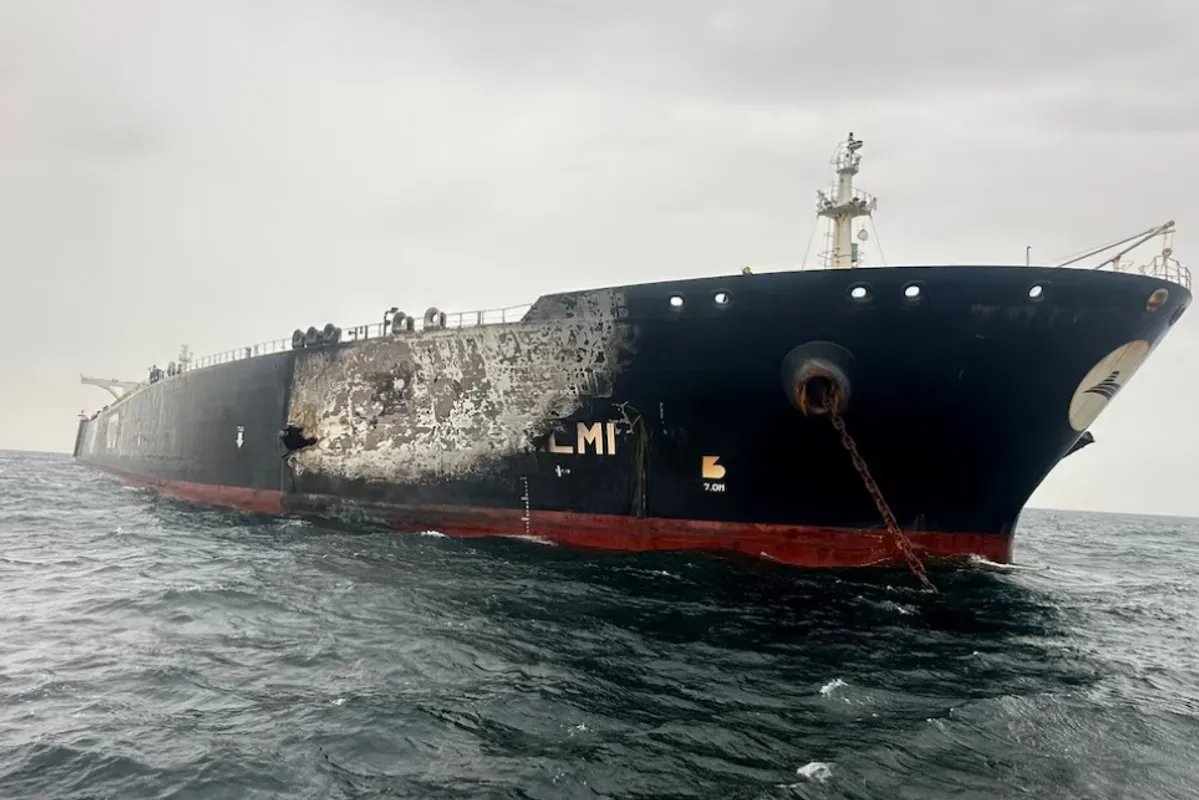
As tensions rise, military operations have continued across multiple fronts. Airstrikes were reported in key مناطق industrial zones in Iran, including facilities linked to the country’s energy sector. Casualties have been reported, though the full extent remains unclear.
The conflict has also spilled into neighboring regions. Missile and drone activity continues to threaten infrastructure and urban areas, while debris from intercepted projectiles has been reported in major cities across the Gulf.
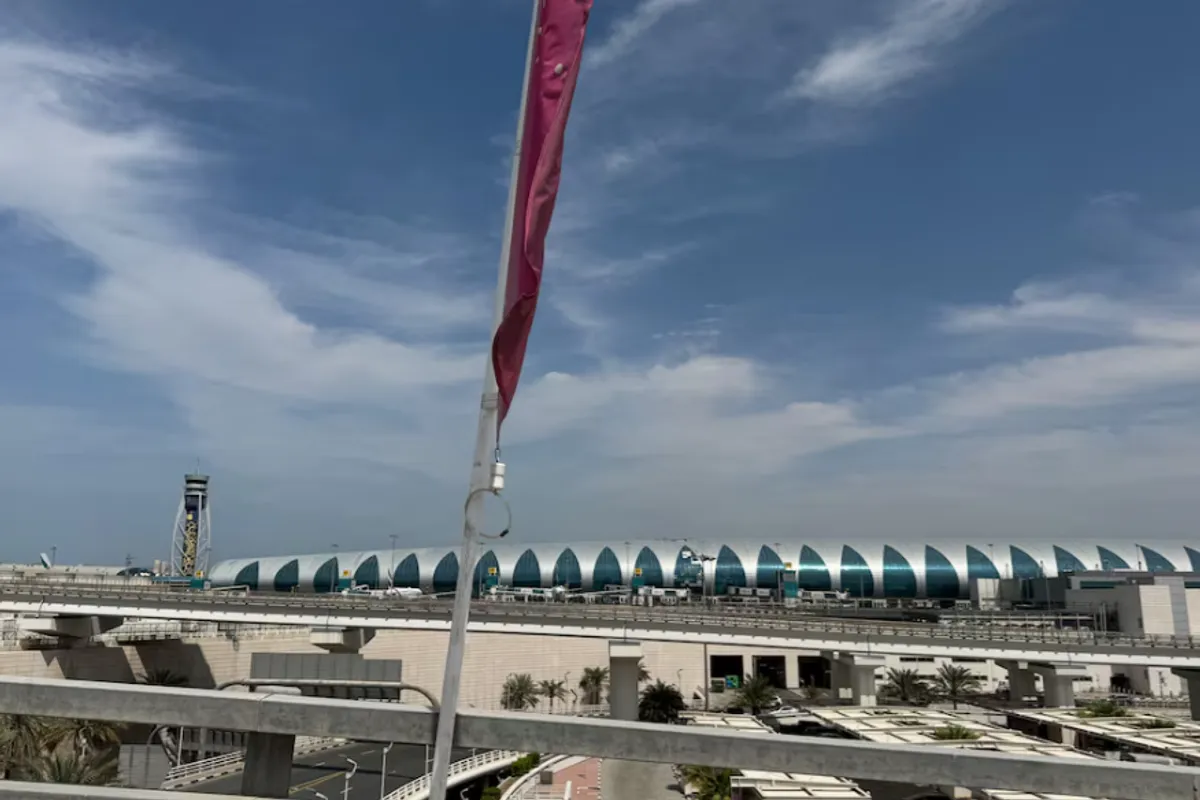
In the United Arab Emirates, fragments from aerial interceptions struck buildings in Dubai, including a facility associated with Oracle, though no injuries were reported.
Global Economic Pressure Mounts
Beyond the battlefield, the war is triggering economic ripple effects worldwide. Energy markets remain volatile, with oil prices reacting sharply to ongoing instability in the region.
Governments across Europe, Asia, and Africa are beginning to respond to rising fuel costs and economic uncertainty. Some nations have already introduced emergency measures aimed at managing financial pressure linked to the crisis.
No End in Sight
Despite growing international concern, there is little evidence that the conflict is nearing resolution. Military operations continue, and rhetoric from both sides remains aggressive.
With a missing pilot at the center of the latest escalation, the situation highlights the increasing risks facing all parties involved—and the potential for further deterioration in regional and global stability.