Syrian Army Advances Into Kurdish-Held Northern Towns as U.S. Urges Restraint

GeokHub
Syrian Army Advances Into Kurdish-Held Northern Towns as U.S. Urges Restraint
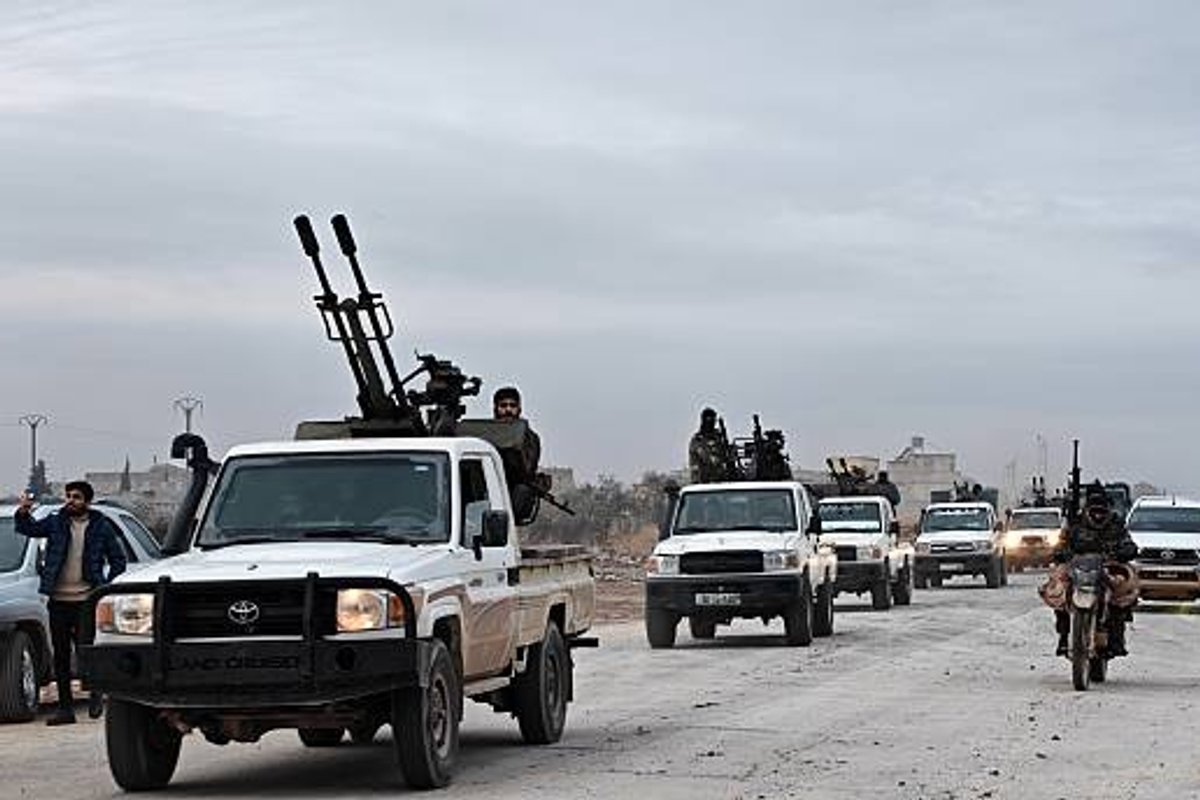
DEIR HAFER, Syria — Jan 17, 2026 Syrian government forces pushed deeper into Kurdish-held areas of northern Syria on Saturday, extending a military advance despite calls from the United States for Damascus to halt operations amid rising tensions over control of strategic towns, dams and oilfields.
State media said Syrian troops had taken control of Tabqa, a key northern city, along with its adjacent hydroelectric dam and the Freedom Dam, formerly known as the Baath Dam, west of Raqqa. Kurdish authorities did not immediately confirm the loss, and it remained unclear whether fighting was continuing in some areas.
The advance follows days of clashes along the Euphrates River, where Syrian forces had massed near villages west of the river and demanded that the Kurdish-led Syrian Democratic Forces (SDF) redeploy to the eastern bank. The area includes vital infrastructure and energy assets.
Withdrawal Deal Unravels
The SDF said its fighters withdrew early Saturday from several towns as a gesture of goodwill under a limited agreement. However, Kurdish officials accused Syrian troops of breaching the deal by continuing to move eastward into additional towns and oilfields not covered by the understanding.
U.S. Central Command chief General Brad Cooper urged Syrian forces to halt operations in the corridor between Aleppo and Tabqa, warning against further escalation.
Despite the dispute, Syrian troops entered Deir Hafer and nearby Arab-majority villages with little resistance after SDF units pulled back. Residents welcomed the army’s arrival.
“It happened with the least amount of losses. People are tired of war,” said Hussein al-Khalaf, a Deir Hafer resident.
Oilfields and Strategic Stakes
Syria’s Petroleum Company said government forces had captured the Rasafa and Sufyan oilfields and could soon restore production. However, Kurdish authorities still control several of Syria’s largest oil and gas fields further east.
When Syria’s army later announced plans to move on Tabqa, the SDF rejected the move, saying it was outside the scope of any agreement and vowed to defend the town and nearby oil installations.
Syrian military officials said four soldiers were killed in attacks by Kurdish fighters. The SDF confirmed casualties among its ranks but did not provide figures.
U.S.-led coalition aircraft were seen flying over the flashpoint areas, releasing warning flares, according to a Syrian security source.
Washington Caught Between Allies
The escalation highlights Washington’s difficult balancing act in Syria. The United States has long supported the SDF for its role in defeating Islamic State, while also backing President Ahmed al-Sharaa, whose rebel-led coalition ousted former ruler Bashar al-Assad in late 2024.
In an effort to contain the crisis, U.S. envoy Tom Barrack traveled to Erbil, Iraq, on Saturday for talks with Kurdish leaders, according to Kurdish sources.
Deepening Political Rift
The violence has widened the rift between Damascus and Kurdish authorities, who fear marginalization under Sharaa’s Islamist-led government. Talks last year aimed to integrate Kurdish military and civilian institutions into the Syrian state by the end of 2025, but negotiations stalled.
Following the missed deadline, clashes erupted earlier this month in Aleppo, prompting Kurdish withdrawals and setting the stage for the latest military push.
Kurdish concerns have also been sharpened by sectarian violence elsewhere in Syria last year, when government-aligned forces were accused of killing hundreds of civilians from minority communities.