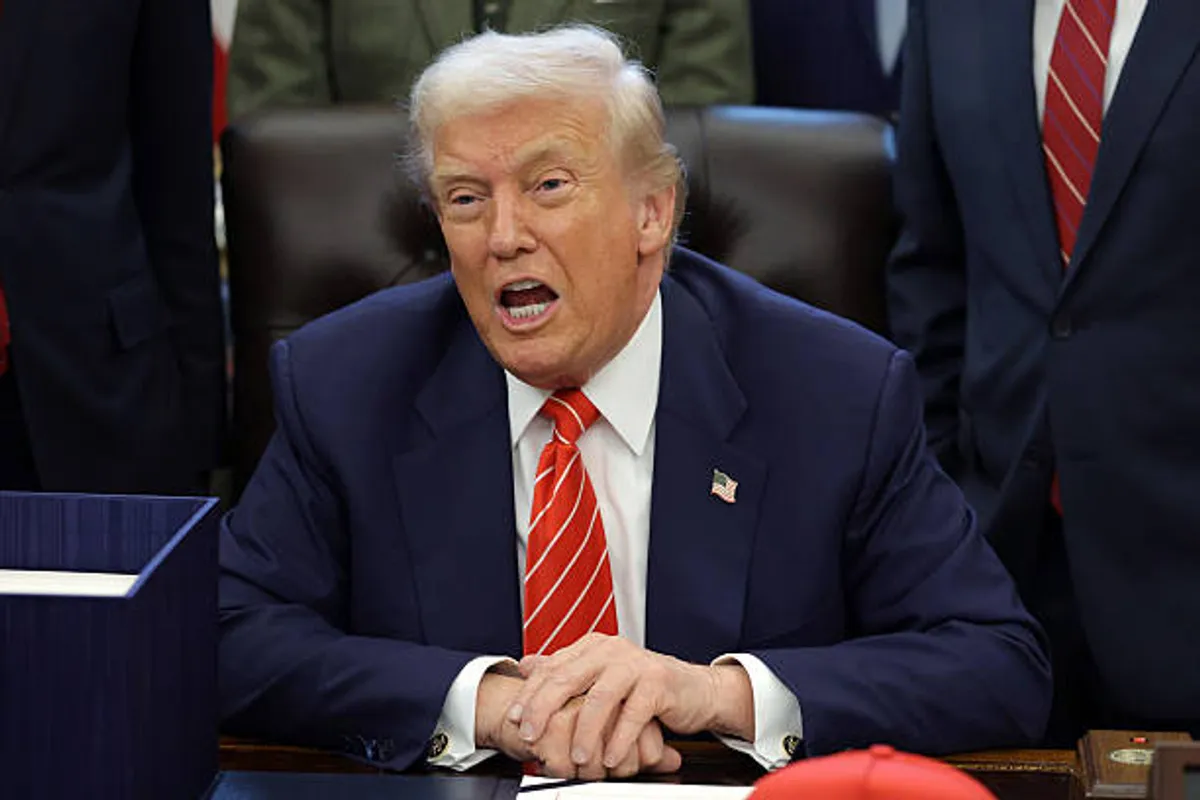
Trump’s Lawsuit Against JPMorgan Signals Rising Tensions Between White House and Wall Street

GeokHub
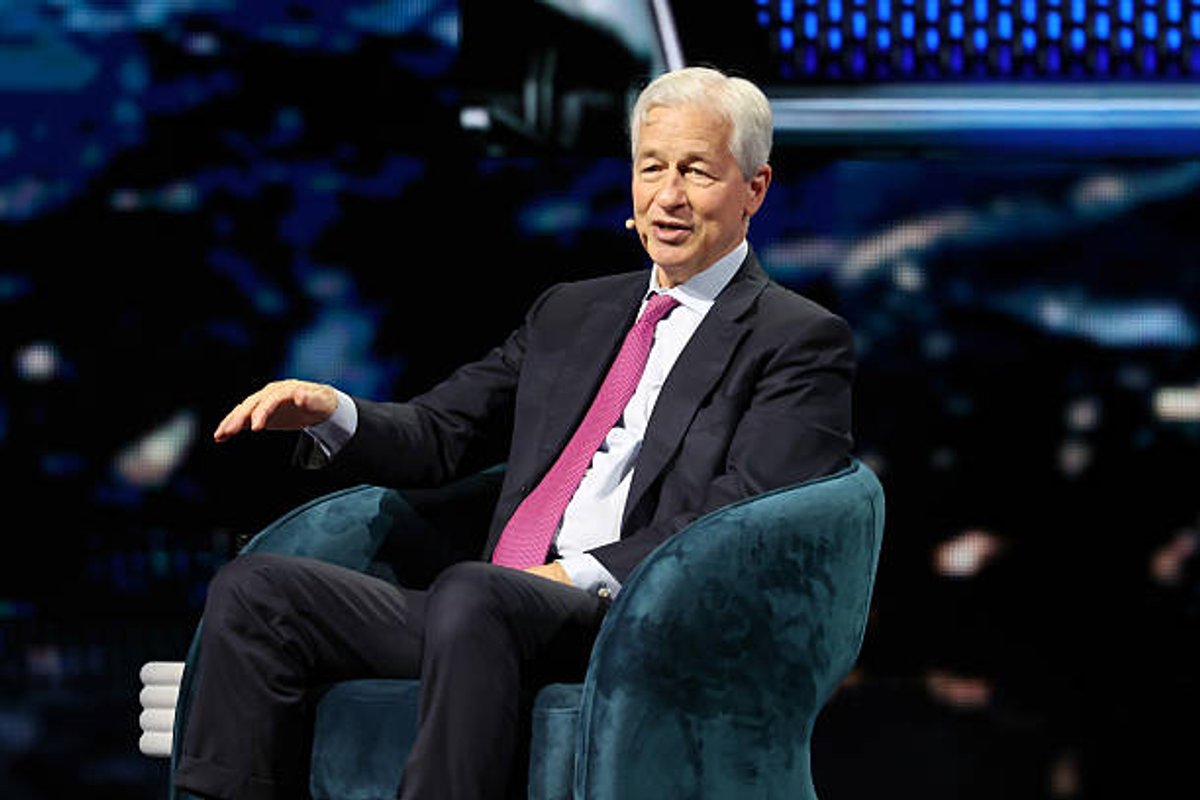
Jamie Dimon, Chairman and Chief Executive Officer of JPMorgan Chase & Co
NEW YORK / WASHINGTON | Jan 25 (GeokHub) President Donald Trump’s decision to sue JPMorgan Chase and its chief executive, Jamie Dimon, has intensified an increasingly uneasy relationship between his administration and Wall Street, exposing a clash between deregulation-friendly policies and a confrontational political stance toward major banks.
Trump filed a $5 billion lawsuit accusing the nation’s largest lender of closing accounts linked to him and his businesses for political reasons — a claim JPMorgan strongly denies. The legal action marks Trump’s most aggressive move yet against a major financial institution and underscores his long-standing allegation that large banks discriminate against conservatives.
The case lands at a moment when big banks are expected to benefit significantly from Trump’s push to roll back financial regulations, even as they face growing political, legal and reputational risks.
Banks Caught Between Policy Wins and Political Risk
While Trump’s administration has promised lighter regulation, faster approvals for mergers, and capital relief that could unlock hundreds of billions of dollars for large lenders, the lawsuit highlights how unpredictable the environment has become for the industry.
Financial analysts say banks are increasingly finding themselves under pressure from both sides — benefiting from regulatory reform while navigating a White House willing to publicly confront and litigate against them.
“The industry is winning some major policy battles, but the volatility and personal nature of these conflicts are starting to take a toll,” said one banking policy expert.
Trump’s lawsuit follows earlier threats to cap consumer credit card interest rates at 10%, a proposal Dimon publicly warned could harm the economy. At the same time, regulators under Trump have signaled support for expanding competition from fintech firms, cryptocurrency companies and non-bank financial players — developments that could erode traditional banks’ market dominance.
White House and Banks Trade Barbs
The White House has defended its broader financial agenda, arguing that regulatory reform is designed to strengthen markets and accelerate growth.
JPMorgan, meanwhile, has dismissed the lawsuit as baseless, stating that it does not close customer accounts based on political or religious views and will defend itself vigorously in court.
Trump has also taken aim at other major lenders. His business organization is pursuing legal action against Capital One over similar claims, while he has publicly criticized executives at Bank of America and Goldman Sachs over alleged “debanking” and policy disagreements.
Large banks have consistently denied excluding customers on political grounds.
Wall Street Ramps Up Influence Efforts
In response to the shifting political landscape, major banks have significantly increased their lobbying presence in Washington. The largest U.S. lenders boosted their combined lobbying spending sharply late last year, focusing on issues ranging from payment fees and crypto regulation to bank supervision and capital rules.
Industry groups have also launched new advocacy initiatives aimed at promoting pro-growth financial policies and countering political pressure.
“The key question for banks now is how to operate under an administration that has shown it is willing to intervene aggressively — and unpredictably,” said a digital banking analyst.
Capital Relief Still the Big Prize
Despite the legal and political turbulence, investors largely believe the industry’s core regulatory wins remain intact. Proposed changes to capital requirements and supervision could free up substantial cash for lending, dividends and buybacks, keeping bank stocks attractive.
Executives remain optimistic that lighter oversight and a friendlier stance on consolidation will drive profitability, even as tensions simmer.
“This lawsuit isn’t likely to change the investment case,” said one portfolio manager whose firm holds major bank shares.
Still, behind the scenes, some bank leaders are uneasy about losing ground to fintech and crypto firms perceived to have closer ties to Trump’s inner circle — and about the possibility of further political surprises as elections approach.
“I don’t think the president has much affection for big banks,” said one market strategist. “And that uncertainty is something the industry is still learning how to price in.”