U.S. and Russia Near Arms Control Deadline as Nuclear Treaty Set to Expire

GeokHub
LONDON/WASHINGTON, Jan 30 (GeokHub) — The United States and Russia are approaching a pivotal moment in global nuclear security, with their last remaining arms control agreement due to expire in days and no replacement in place, raising fears of a renewed nuclear arms race for the first time since the Cold War.
The New START treaty, which limits the number of long-range nuclear weapons held by both countries, is scheduled to expire on February 5. If it lapses without an extension or replacement, there would be no legally binding restrictions on U.S. and Russian strategic nuclear arsenals — a situation unseen in more than five decades.
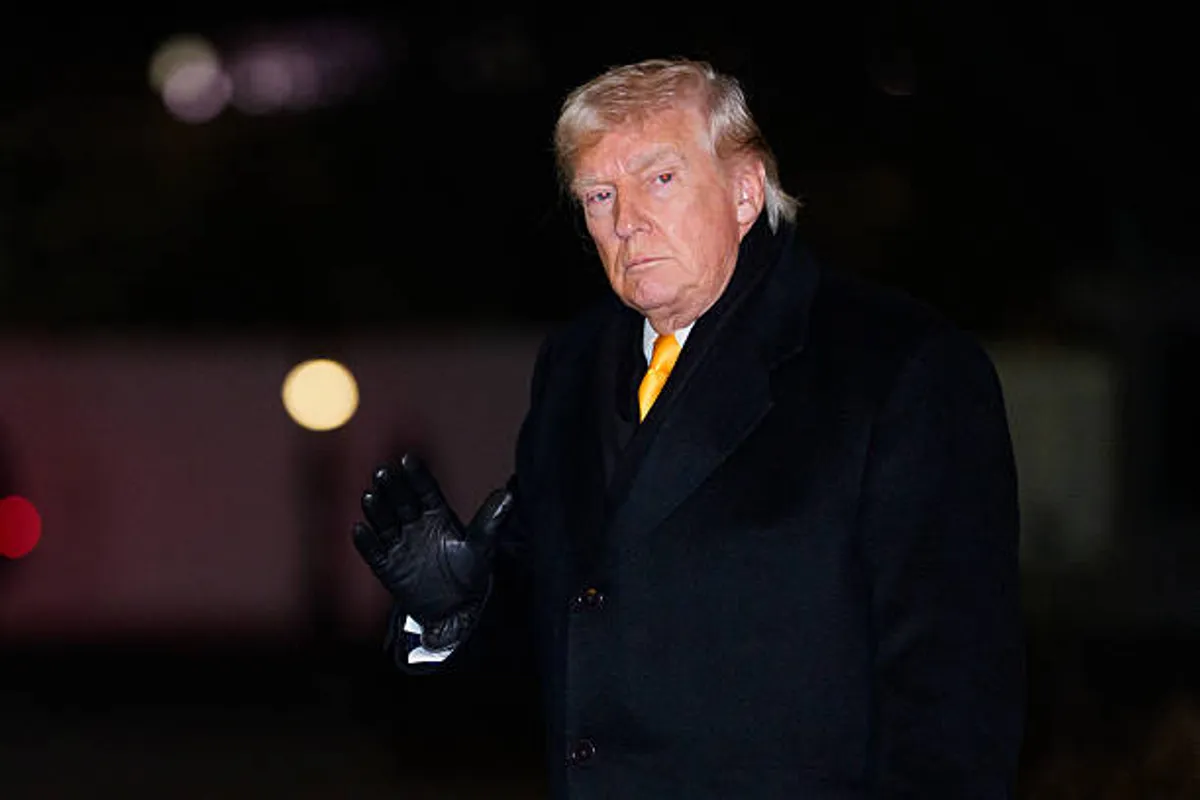
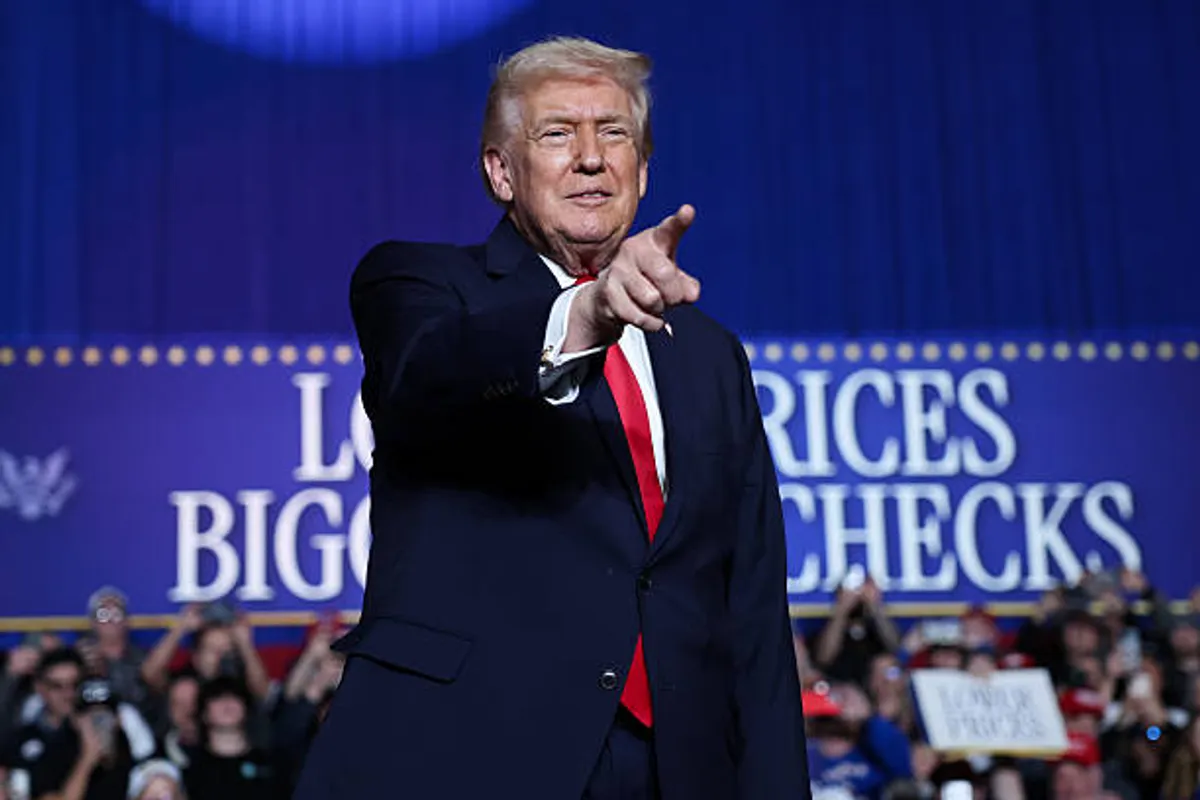
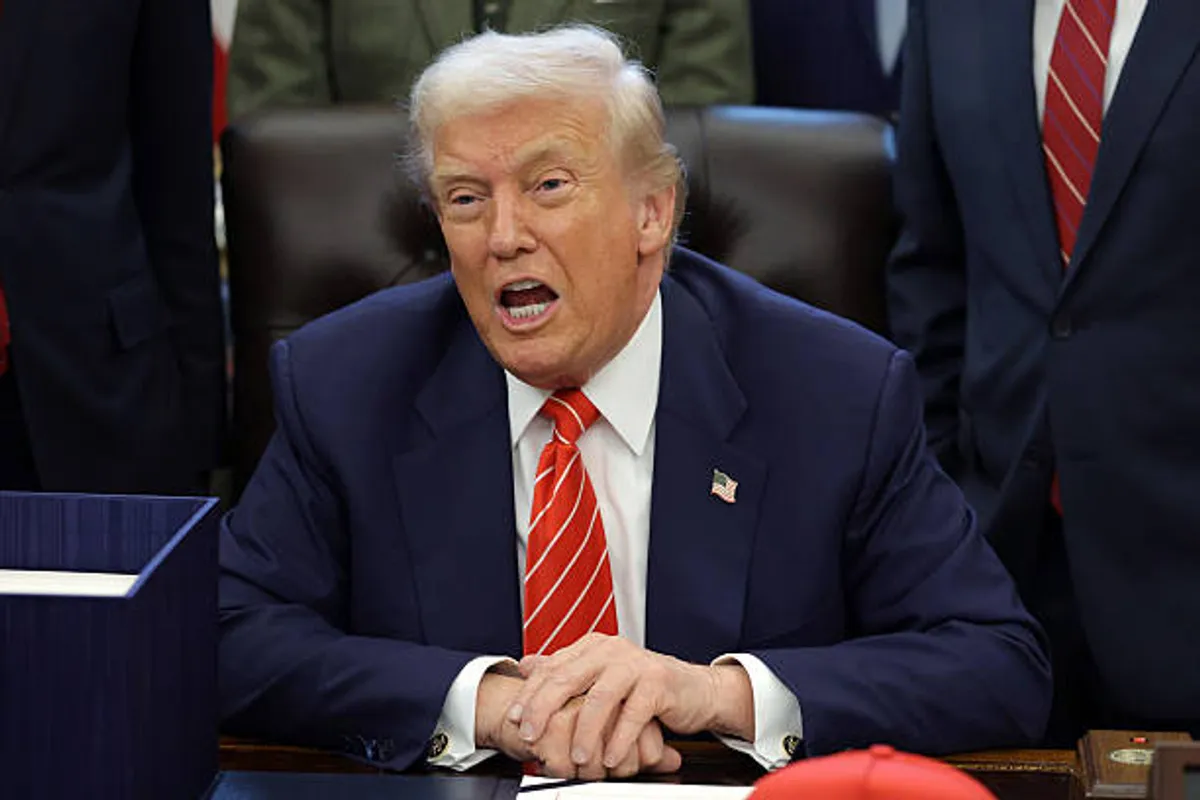
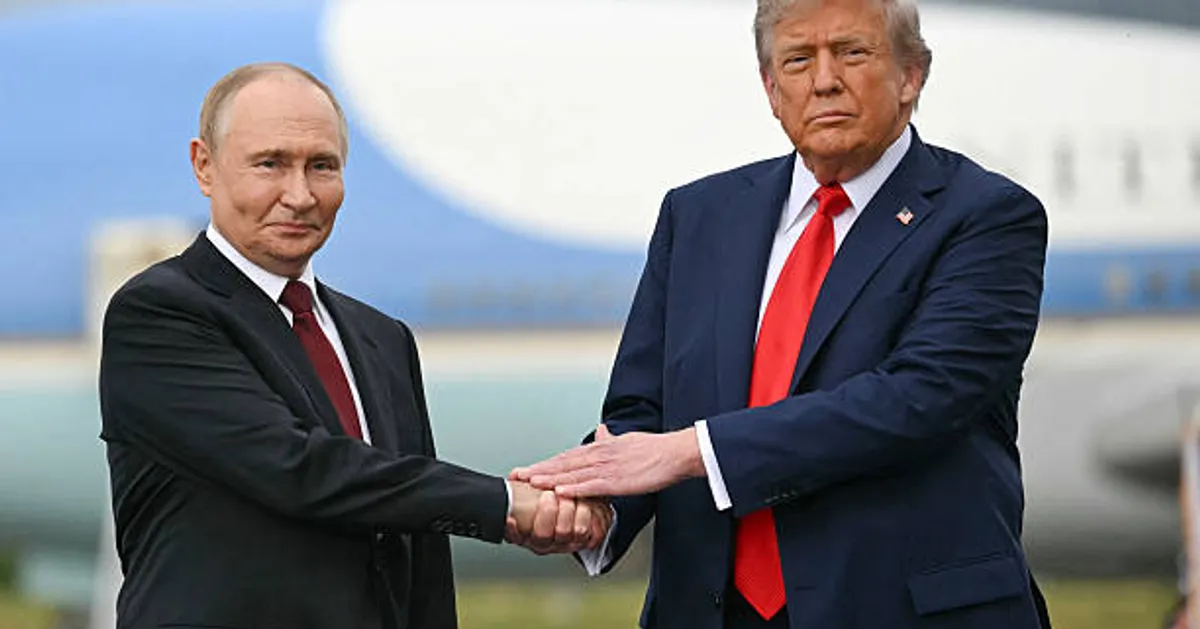
Russian President Vladimir Putin has proposed that both sides temporarily maintain existing limits for an additional year to allow time for negotiations. U.S. President Donald Trump, however, has not formally responded and has indicated he prefers a broader, improved agreement.
Why New START Matters
Since the Cold War, nuclear arms control treaties have served as guardrails to reduce the risk of miscalculation, accidental escalation and financially draining weapons buildups. Beyond capping warheads and delivery systems, such agreements require transparency and data sharing — measures experts say are crucial for stability.
Without these mechanisms, analysts warn both countries would likely plan based on worst-case assumptions about each other’s capabilities, increasing tensions and the likelihood of escalation.
Challenges to Reaching a New Deal
Negotiating a successor to New START would be complex. Russia has developed several nuclear-capable weapons systems not covered under the current treaty framework, while the United States has announced plans for a space-based missile defence initiative that Moscow views as destabilising.
At the same time, China’s expanding nuclear arsenal adds a new dimension. Beijing is not bound by any arms control agreements and has resisted calls to join negotiations, arguing that its stockpile remains far smaller than those of Washington and Moscow.
U.S. defence officials estimate China’s nuclear warhead count could exceed 1,000 by 2030, intensifying concerns in Washington about facing two nuclear rivals simultaneously.
Debate Inside the United States
The looming deadline has sparked sharp debate among U.S. policymakers.
Supporters of extending limits argue that abandoning the treaty would accelerate an unnecessary and costly arms race, especially as the United States already faces nearly $1 trillion in projected nuclear modernisation costs over the next decade, according to congressional estimates.
Critics counter that Russia’s suspension of treaty inspections in 2023 and China’s military expansion mean the United States must increase its deployed nuclear forces to maintain credible deterrence.
Some experts say Washington could rapidly add warheads using existing missiles and bombers, potentially doubling its deployed arsenal over time, while Russia could also significantly increase its stockpile.
What Comes Next
Even if New START expires, analysts note that any major changes to nuclear deployments would take months, not days. Still, the absence of legal limits could fundamentally alter global security calculations.
A White House official said President Trump would announce his decision on nuclear arms control “on his own timeline,” leaving the future of strategic stability uncertain as the deadline approaches.
Former Russian President Dmitry Medvedev, who signed New START in 2010, said Moscow was prepared for any outcome and would respond firmly to new security threats.