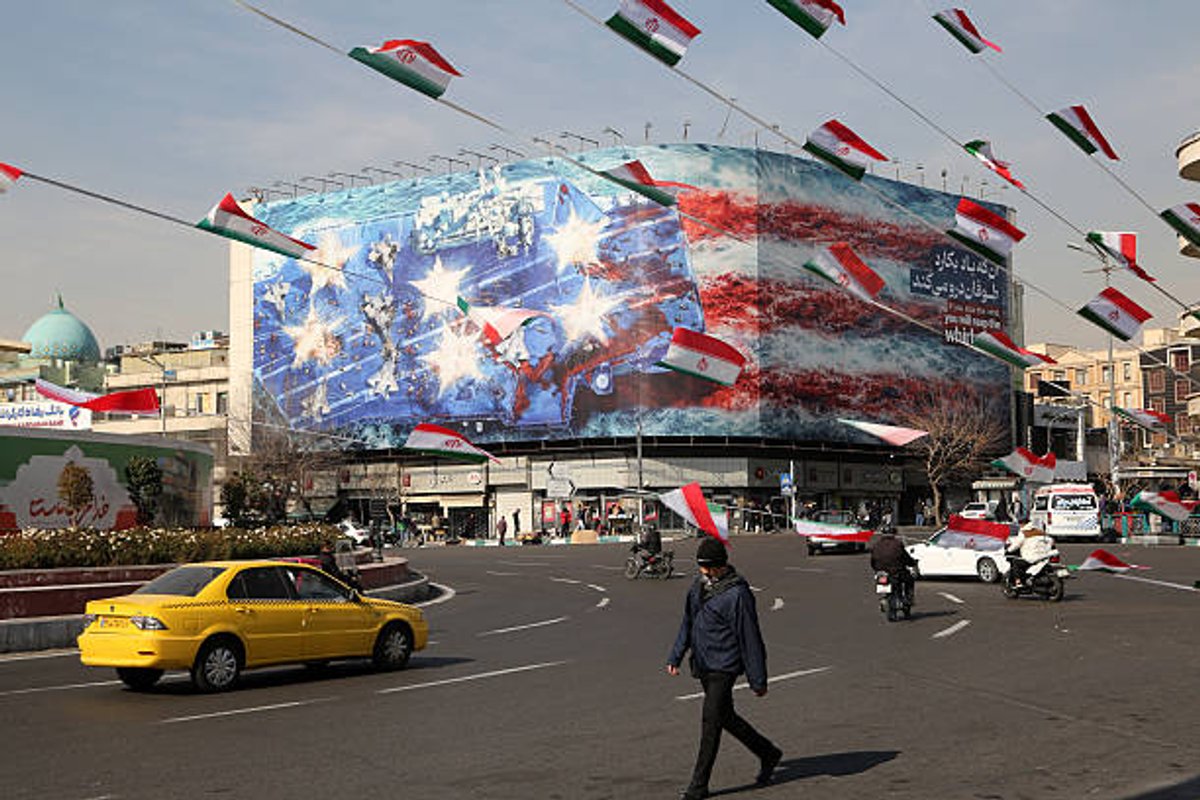
DUBAI, Feb. 2 — Iran’s leadership is increasingly concerned that a potential U.S. military strike could reignite widespread public unrest and place the country’s ruling system under severe pressure, according to people familiar with internal discussions.
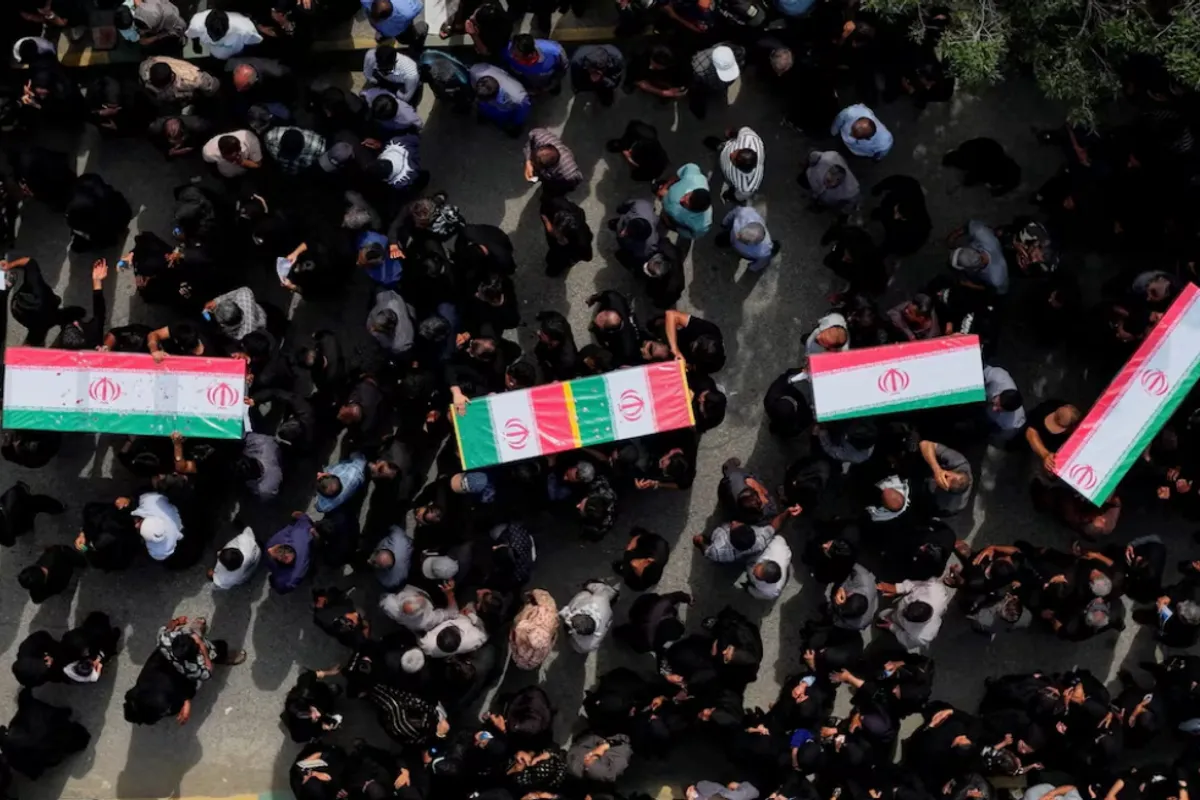
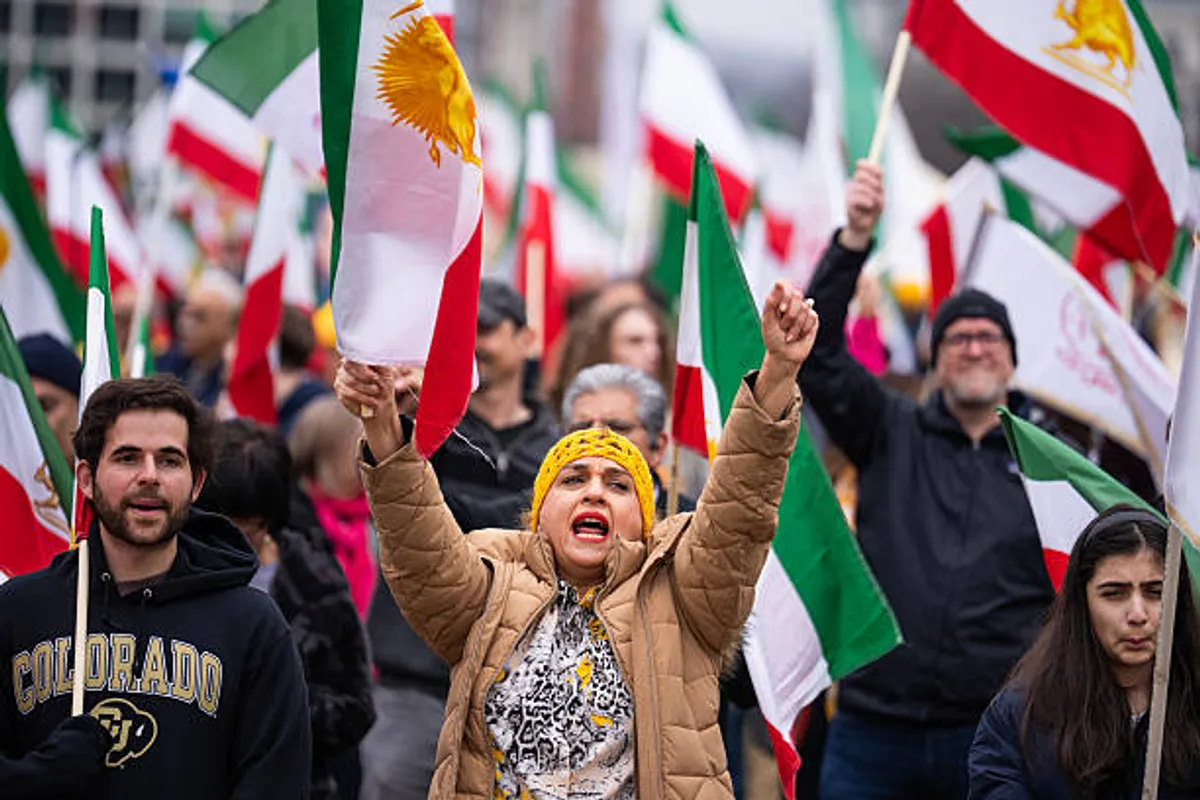
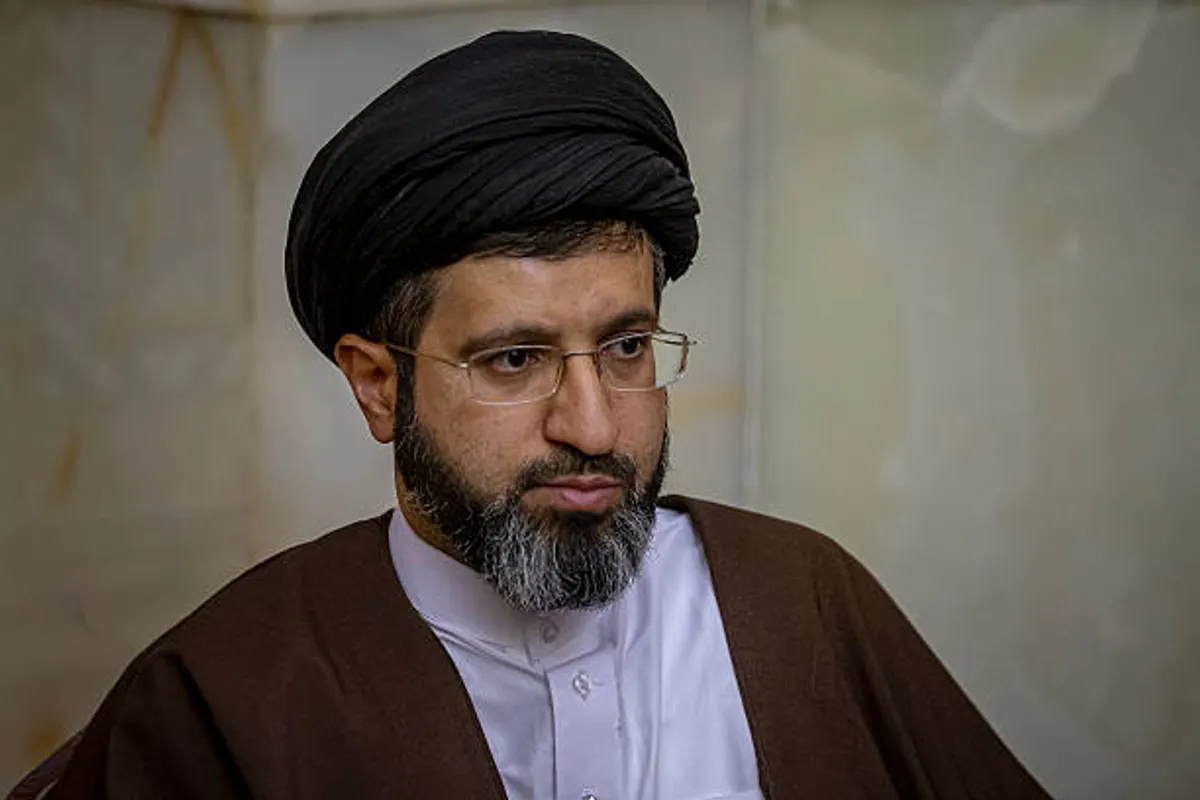
Senior officials have warned Supreme Leader Ayatollah Ali Khamenei that public anger following a harsh crackdown on demonstrations last month has reached a critical level. They said fear, long viewed as a key tool for maintaining control, is no longer acting as a deterrent for large segments of the population.
Those briefed on the meetings said officials cautioned that renewed external pressure — particularly a limited U.S. strike — could embolden citizens who remain deeply frustrated and willing to confront security forces again. Such a scenario, they warned, could inflict lasting damage on the political establishment.
Privately, some officials expressed concern that Iran’s adversaries may see renewed protests as an opportunity to destabilize the system. They warned that unrest combined with foreign military action could push the country into a dangerous and unpredictable phase.
These reported internal anxieties contrast sharply with Tehran’s public posture of defiance toward both domestic dissent and Washington.
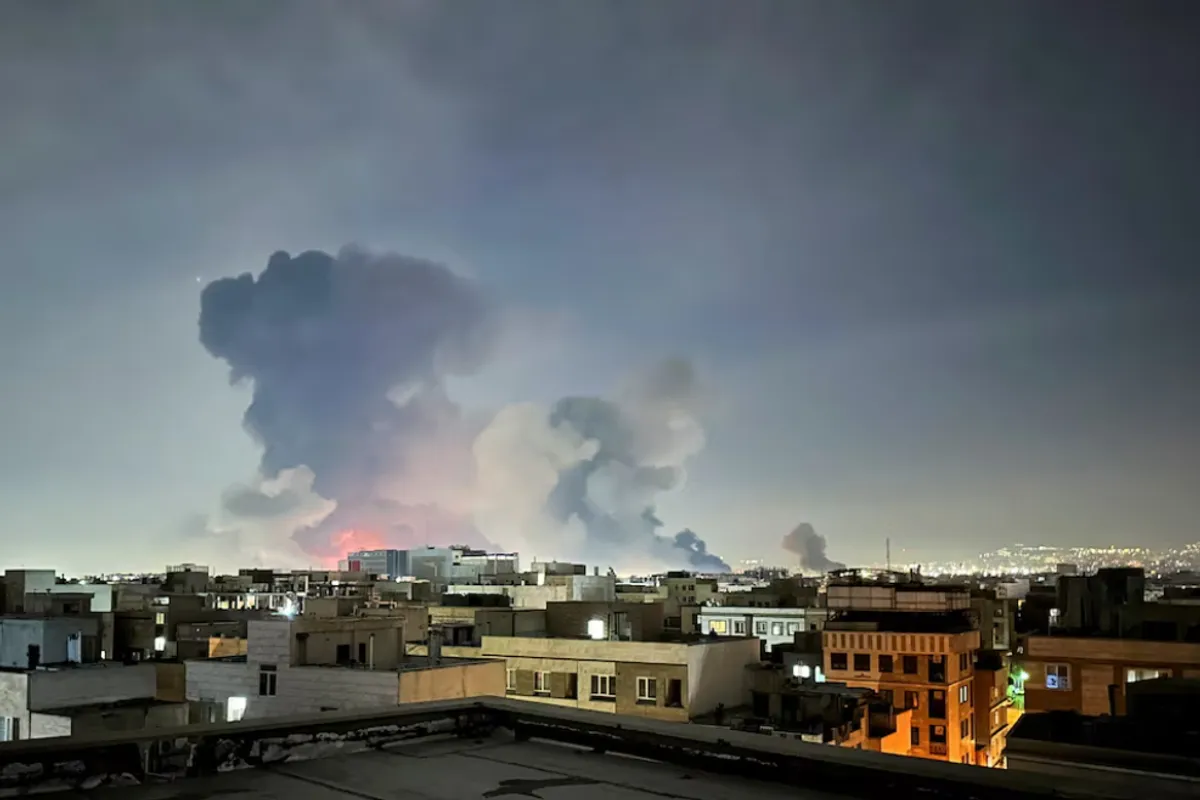
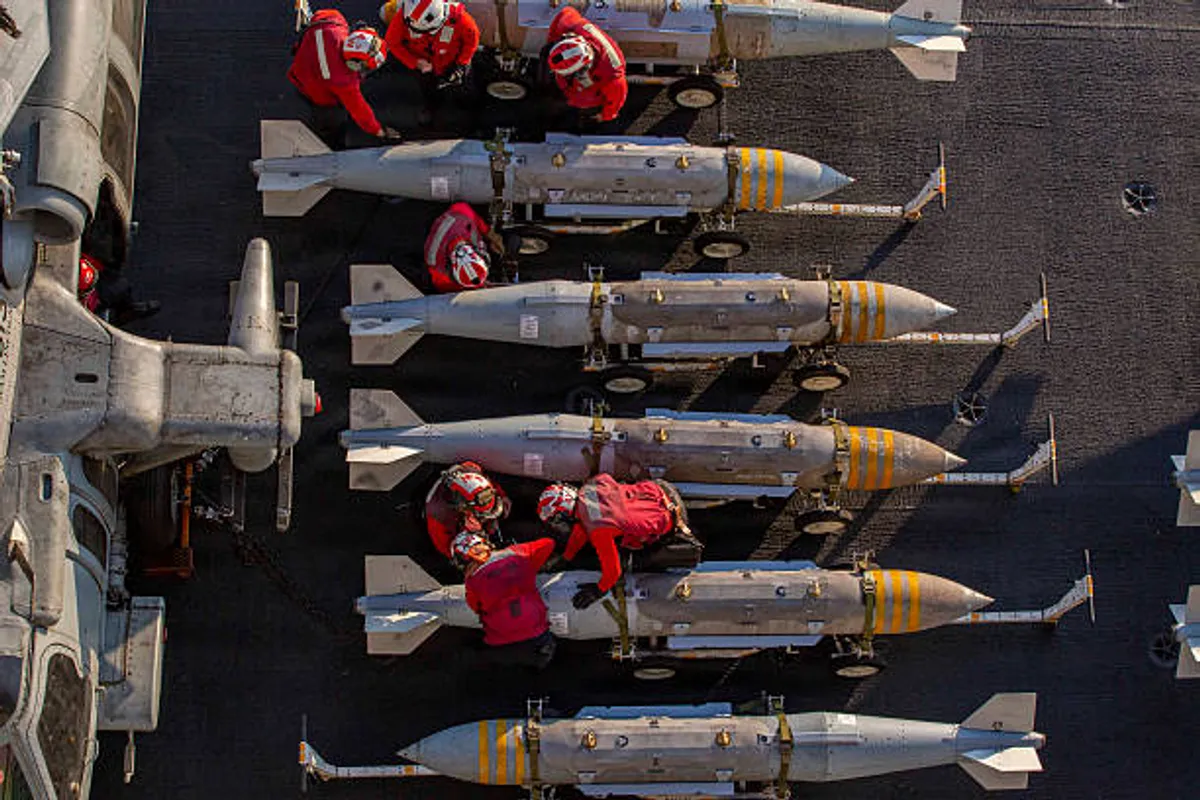
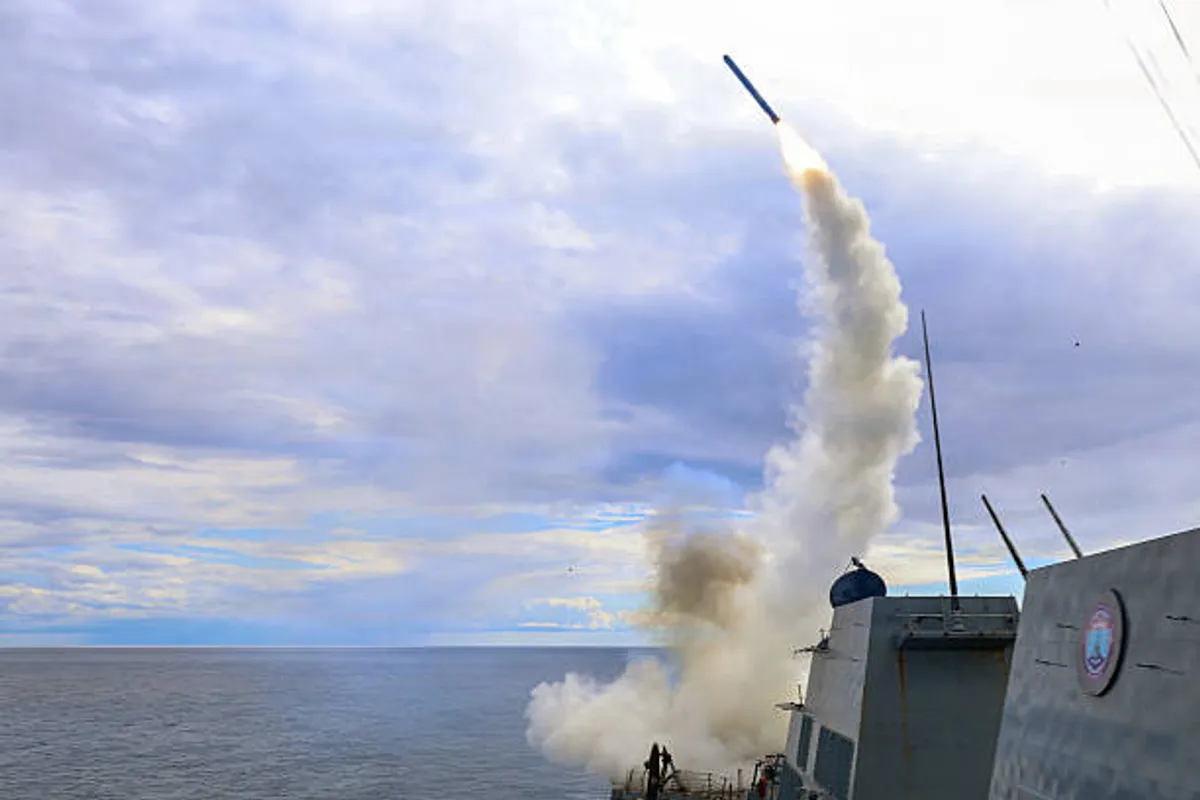
Tensions between Iran and the United States have intensified in recent weeks, with expanded U.S. military presence in the region increasing the possibility of rapid escalation. While no action has been announced, officials say the risk of miscalculation remains high.
Former officials and analysts note that although the streets are currently calm, the underlying drivers of unrest have not disappeared. Economic strain, political restrictions, corruption, and widening inequality continue to fuel resentment among ordinary citizens.
Some opposition figures have warned that public anger is now deeper and more entrenched than during previous protest movements, raising fears that any renewed unrest could be more confrontational and harder to contain.
Insiders also cautioned that if protests were to resume during heightened foreign pressure, the state could respond more forcefully, increasing the risk of widespread instability and bloodshed.
Analysis: A Fragile Moment
Observers say Iran is facing a delicate moment in which internal dissatisfaction and external pressure are intersecting. While diplomacy remains a stated option for both Tehran and Washington, the coming weeks may prove decisive in determining whether tensions ease — or escalate into a broader crisis.