KYIV, Feb. 5 (GeokHub) — Ukraine and Russia concluded a second round of U.S.-brokered peace talks in Abu Dhabi on Thursday, highlighted by a major prisoner-of-war (POW) exchange and commitments to resume negotiations soon. The talks aim to resolve Europe’s largest conflict since World War Two.
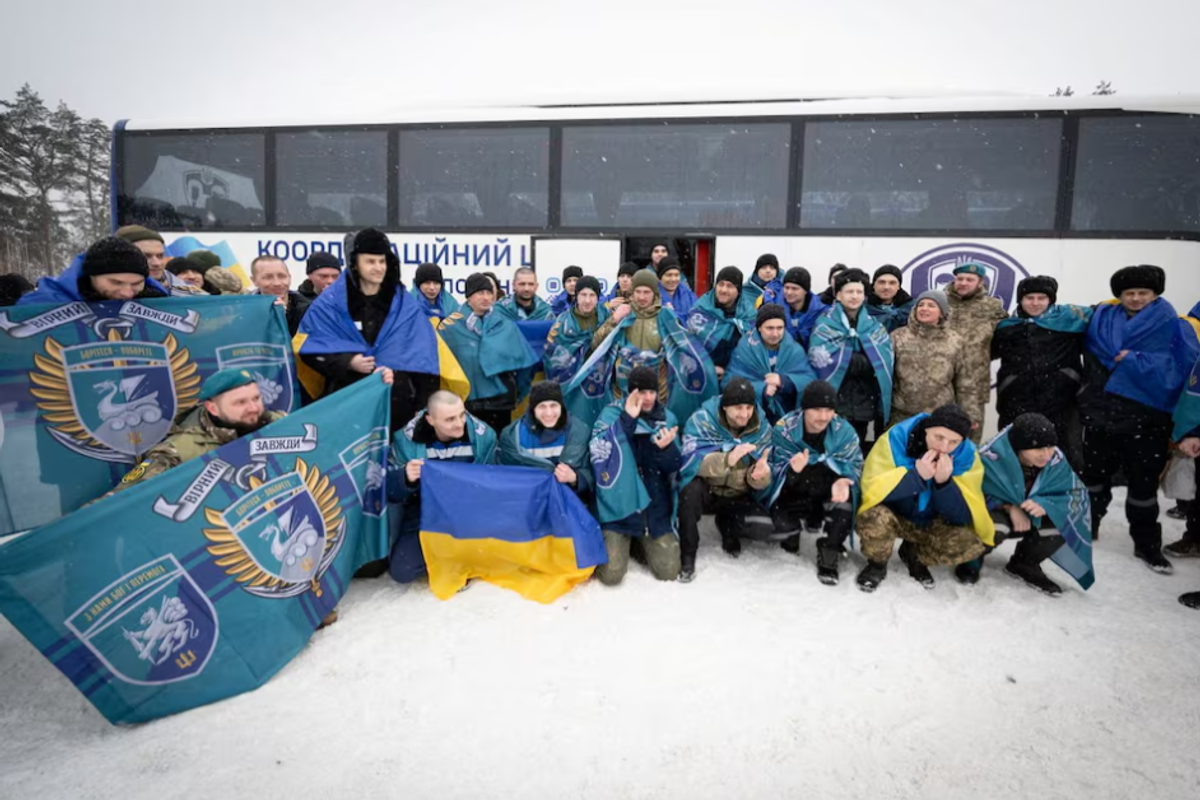
U.S. special envoy Steve Witkoff confirmed that 314 POWs were released in the first swap of its kind in five months. Ukrainian President Volodymyr Zelenskiy said some prisoners had been held for nearly four years. Both sides agreed to continue diplomatic engagement, with the next round likely to take place in the United States.
“The discussions were constructive and focused on how to create the conditions for a durable peace,” Witkoff wrote on X, underscoring the tangible progress made through sustained diplomacy.
Zelenskiy emphasized that Ukraine favors any format capable of delivering a lasting peace while denying Russia the incentive to continue fighting. He highlighted the need for robust security guarantees, particularly from the United States, to prevent renewed attacks.
Russian envoy Kirill Dmitriev described the talks as showing “progress and positive movement,” and indicated efforts are underway to restore broader U.S.-Russia relations, including economic cooperation through a working group.
The exchange involved 157 prisoners of war from each side, with three Russian civilians also returned. Video footage released by Ukraine showed emotional reunions of Ukrainian POWs with their families, some wrapped in national flags and visibly moved.
Despite the diplomatic push, fighting continues along a roughly 750-mile front line. Russia carried out major airstrikes and smaller drone attacks on Ukraine in the days leading up to the talks. Zelenskiy also cited successful Ukrainian missile strikes on Russian testing facilities, emphasizing Kyiv’s continued defensive capabilities.
Key points in the negotiations remain unresolved, including control over the eastern Donetsk region and Ukraine’s desire to maintain the current front lines. Ukraine also seeks international oversight of the Zaporizhzhia nuclear power plant, while Moscow insists it must remain under Russian control. Russia currently occupies about 20% of Ukraine’s territory, including Crimea and parts of the Donbas, and analysts say it has expanded its control slightly since early 2024.