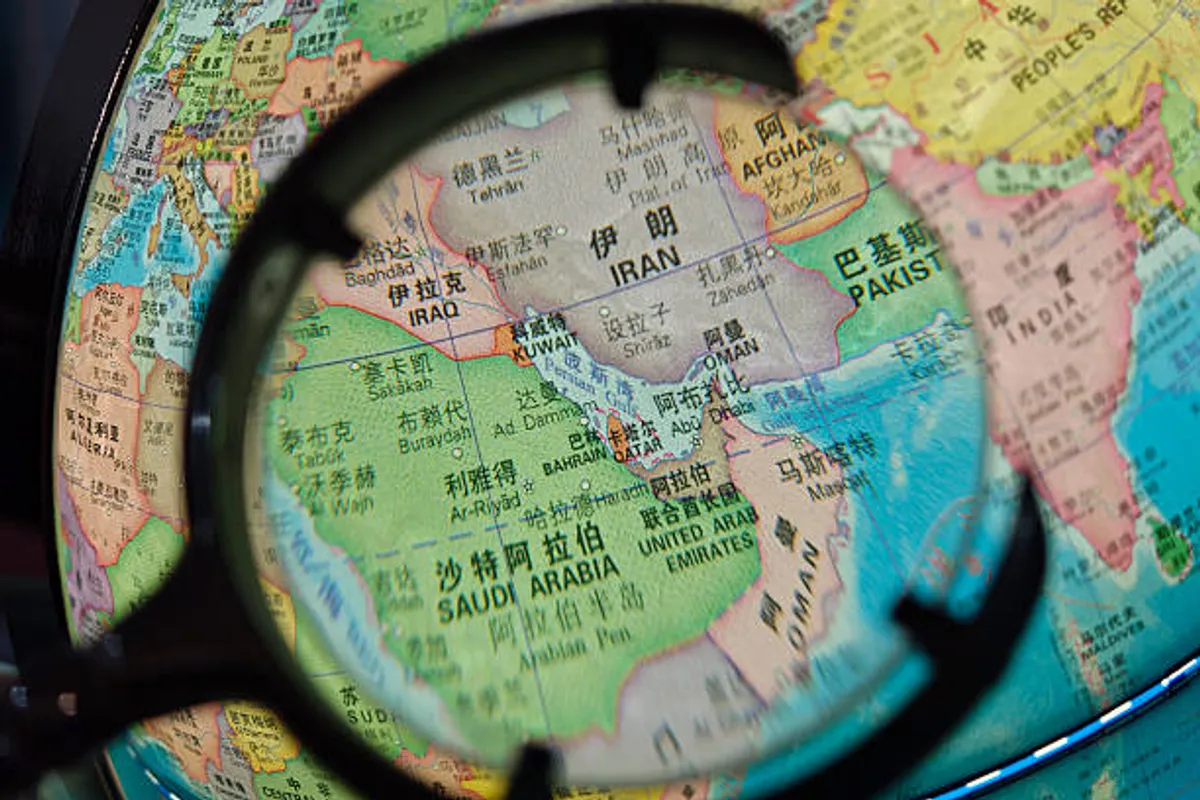
WASHINGTON/DUBAI, Feb. 4 (GeokHub) — The United States and Iran have agreed to hold high-level talks in Oman on Friday, officials from both countries confirmed, as diplomatic efforts intensify amid mounting military tensions across the Middle East.
The discussions, scheduled to take place in Muscat, come despite sharp disagreements over the scope of negotiations. Washington has insisted that talks must extend beyond Iran’s nuclear program to include Tehran’s ballistic missile arsenal, regional proxy activities and human rights issues. Iran, however, has said it will only engage on nuclear-related matters.
The planned meeting follows days of uncertainty over whether talks would proceed at all, after disputes emerged over both the agenda and venue. The location was shifted from Istanbul to Oman after Tehran pushed for a return to Muscat, where previous nuclear-focused negotiations had been held.
Heightened Military Pressure
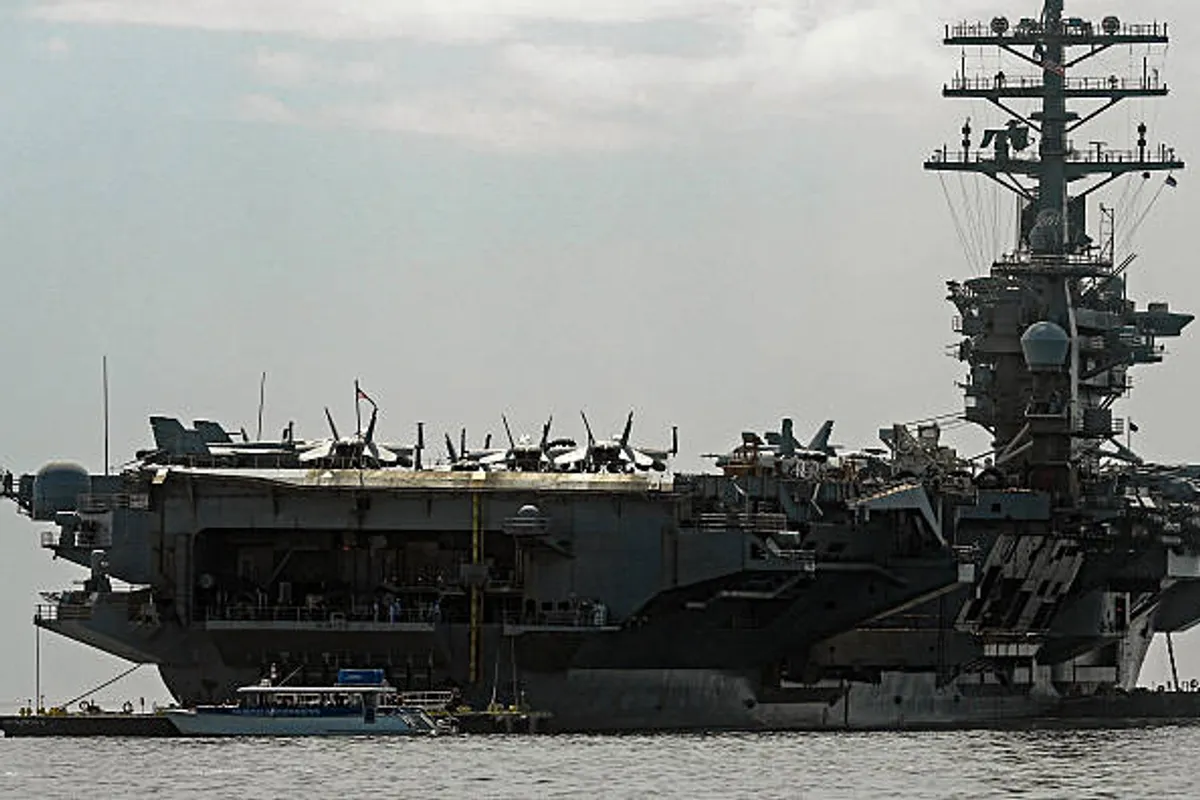
The diplomatic effort unfolds against a backdrop of rising tensions, as the United States continues to bolster its military presence in the region. In recent weeks, Washington has deployed thousands of additional troops, an aircraft carrier, warships, fighter jets, surveillance aircraft and refueling tankers to the Gulf.
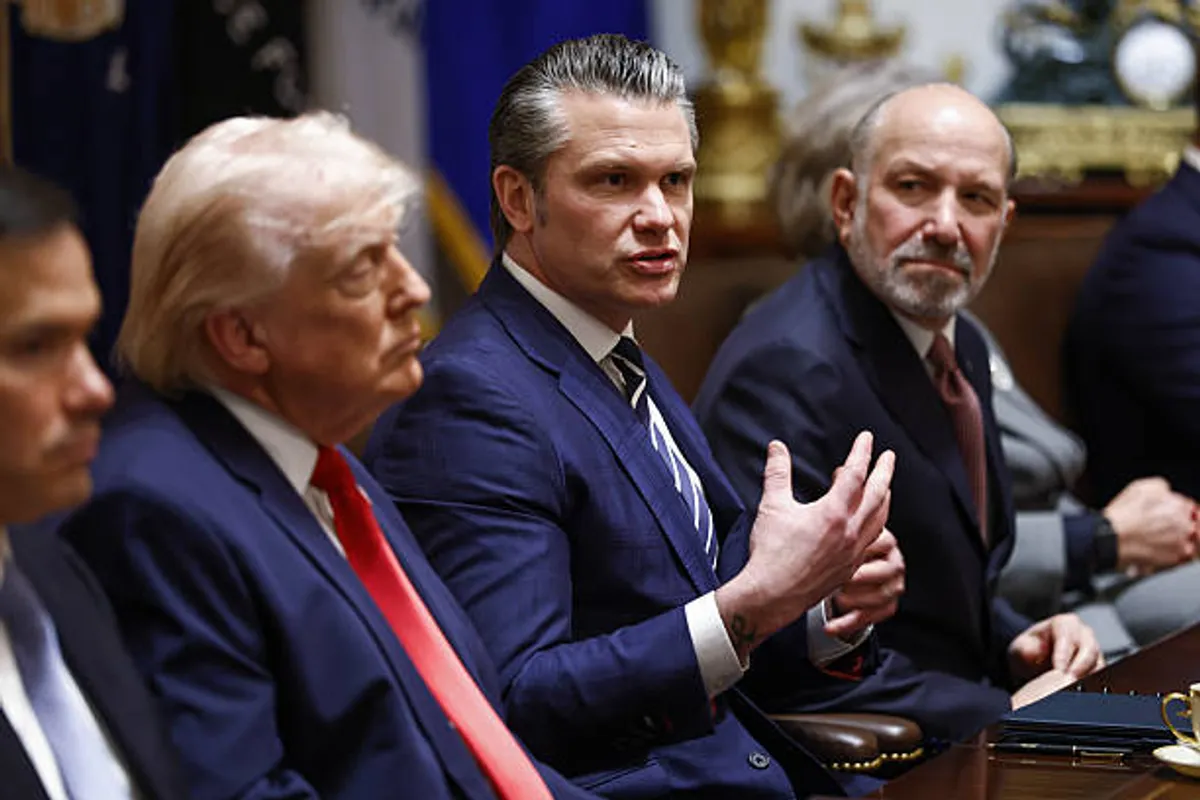
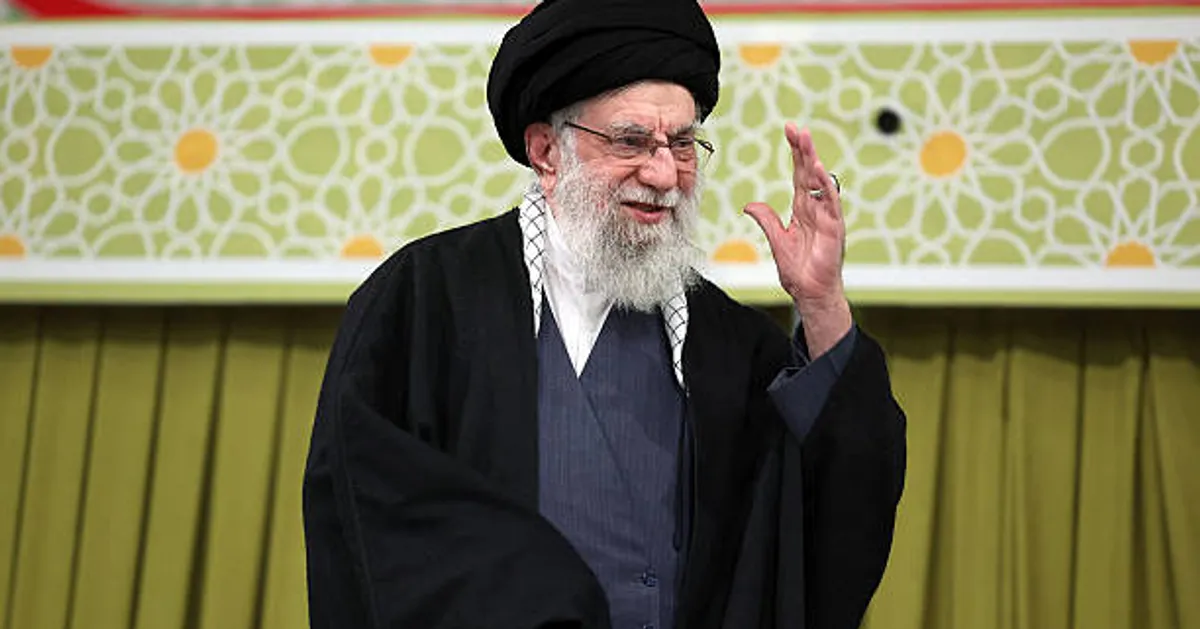
U.S. President Donald Trump has repeatedly warned that military action remains an option if diplomacy fails. Asked whether Iran’s Supreme Leader Ayatollah Ali Khamenei should be concerned, Trump said the Iranian leader “should be very worried,” while confirming that negotiations were underway.
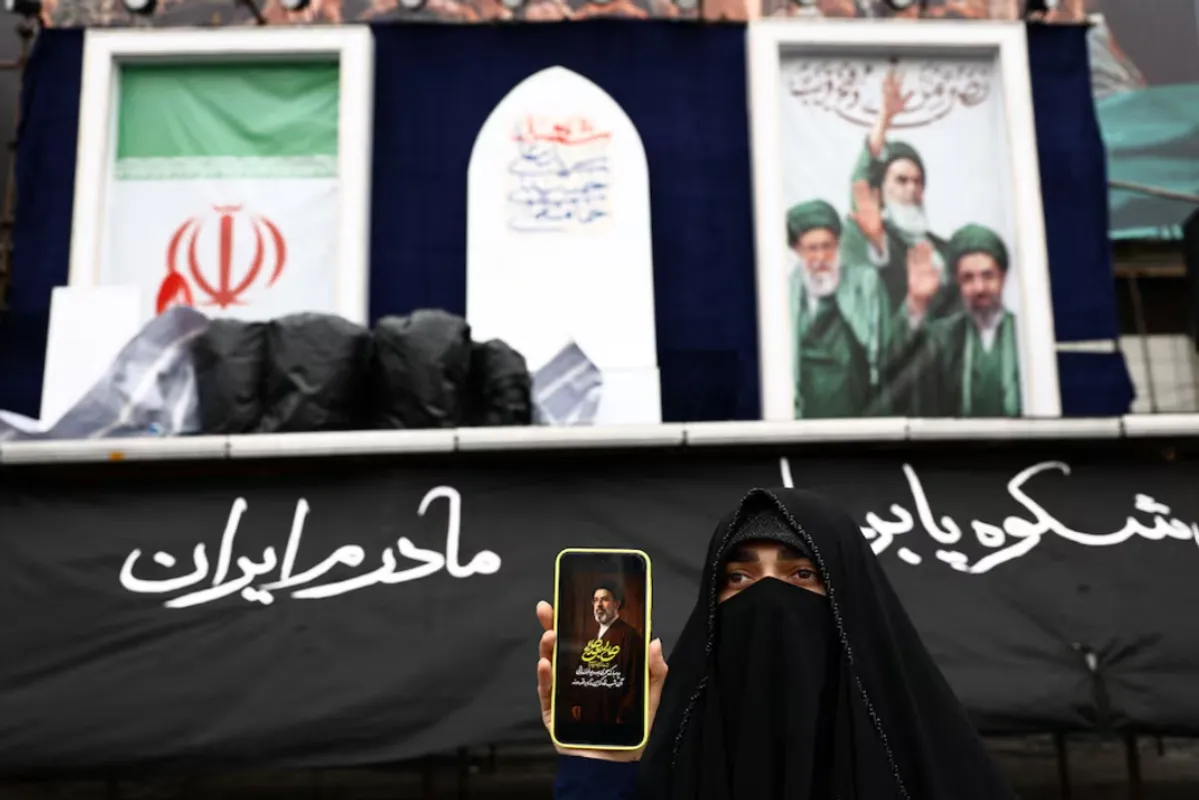
Iranian officials, meanwhile, have cautioned that U.S. demands beyond nuclear issues could derail the talks entirely. A senior Iranian official said the country’s missile program was “off the table,” while another warned that broadening the agenda risked undermining any progress.
Conflicting Negotiation Goals
U.S. Secretary of State Marco Rubio said Washington was prepared to engage, but stressed that any meaningful agreement must address Iran’s missile capabilities, its support for armed groups across the Middle East and domestic governance concerns, in addition to nuclear issues.
Iran has long rejected such conditions, viewing them as infringements on its sovereignty. Iranian officials have instead signaled limited flexibility on uranium enrichment, which Tehran insists is for peaceful purposes. Iran also claims its enrichment activities were halted following U.S. strikes on nuclear sites in June.
Officials said the talks would involve U.S. special envoy Steve Witkoff and Iranian Foreign Minister Abbas Araqchi, with Trump’s son-in-law Jared Kushner also expected to participate.
Regional Fears of Escalation
The renewed diplomatic push follows months of instability, including last year’s conflict between Israel and Iran and recent U.S. military actions in the Gulf. Regional governments have expressed concern that a direct confrontation between Washington and Tehran could trigger a broader conflict with severe economic and security consequences.
Oil prices have already risen amid the uncertainty, while Iranian leaders are reportedly worried that further military pressure could fuel internal unrest at home.