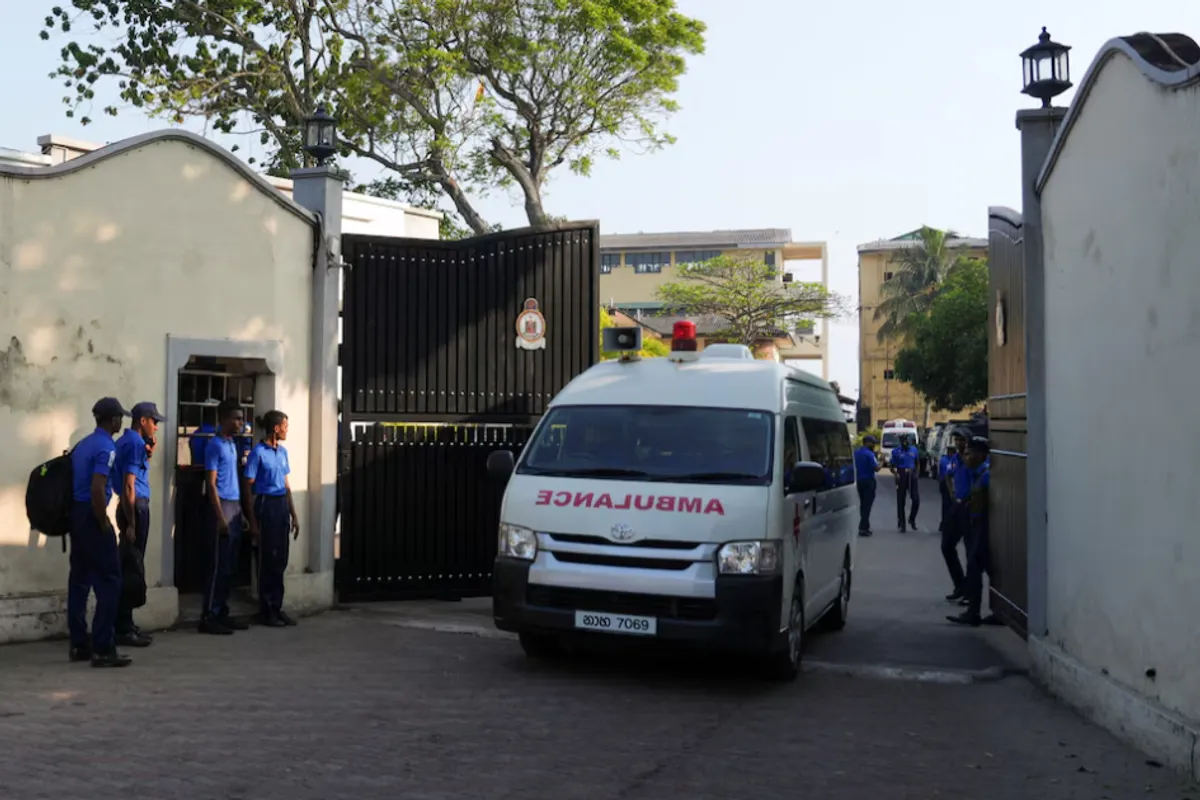
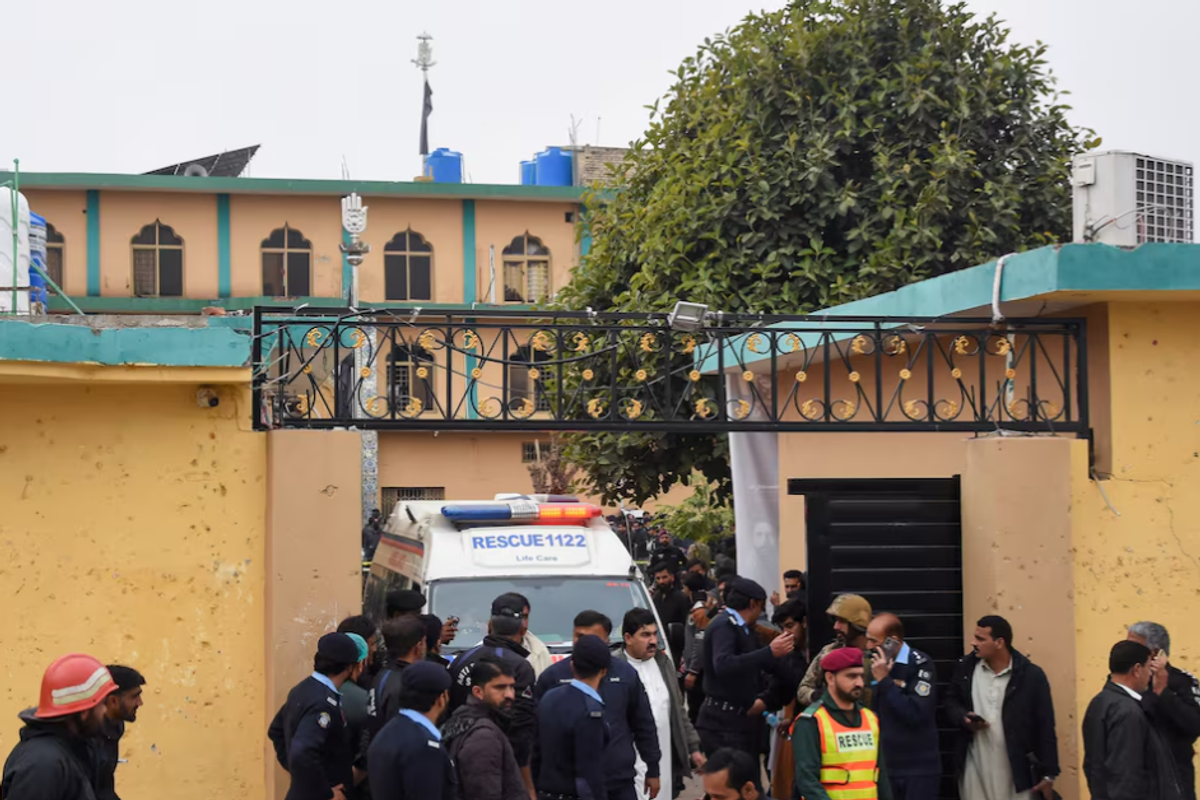
ISLAMABAD | Feb 6 (GeokHub) At least 31 people were killed and nearly 170 others injured on Friday when a suicide bomber struck a Shi’ite Muslim mosque in Pakistan’s capital, Islamabad, during Friday prayers, officials said, marking the deadliest such attack in the city in more than a decade.
The explosion occurred at the Khadija Tul Kubra Imambargah, located on the outskirts of the heavily secured capital. Police officials said the attacker was stopped at the mosque’s entrance before detonating the explosive device.
Islamabad Deputy Commissioner Irfan Memon confirmed the casualty figures, saying hospitals across the city were treating dozens of injured worshippers.
Rare Attack in a Heavily Guarded Capital
Major militant attacks are uncommon in Islamabad, which is among Pakistan’s most fortified cities. However, the country has experienced a resurgence in militant violence in recent years, particularly near its western border with Afghanistan.
Conflict monitoring group ACLED said the attack bore the hallmarks of the Islamic State, which has previously targeted Pakistan’s Shi’ite minority. Shi’ites make up a smaller proportion of Pakistan’s predominantly Sunni population and have faced repeated sectarian attacks over the years.
No group has officially claimed responsibility for Friday’s bombing.
Government Condemnation and Security Alert
Senior government officials strongly condemned the attack. Foreign Minister Ishaq Dar described the bombing as a crime against humanity and said Pakistan remained united in its fight against extremism.
Authorities said the capital had already been placed on high security alert ahead of a scheduled visit by Uzbekistan’s President Shavkat Mirziyoyev, with additional checkpoints and patrols deployed across the city.
Parliamentary Affairs Minister Tariq Fazal said the government was providing medical and financial assistance to victims and their families.
Part of a Broader Wave of Violence
The Islamabad bombing comes amid a violent week nationwide. In Balochistan, separatist militants recently carried out coordinated attacks on government buildings and public facilities, killing dozens. The military said it responded with large-scale operations that resulted in the deaths of hundreds of militants.
In northwestern Khyber Pakhtunkhwa, security forces also reported multiple operations against fighters linked to the Tehreek-e-Taliban Pakistan.
The last major attack in Islamabad occurred in November, when a suicide bombing killed 12 people. Authorities said that incident involved a foreign national, though responsibility was never claimed.