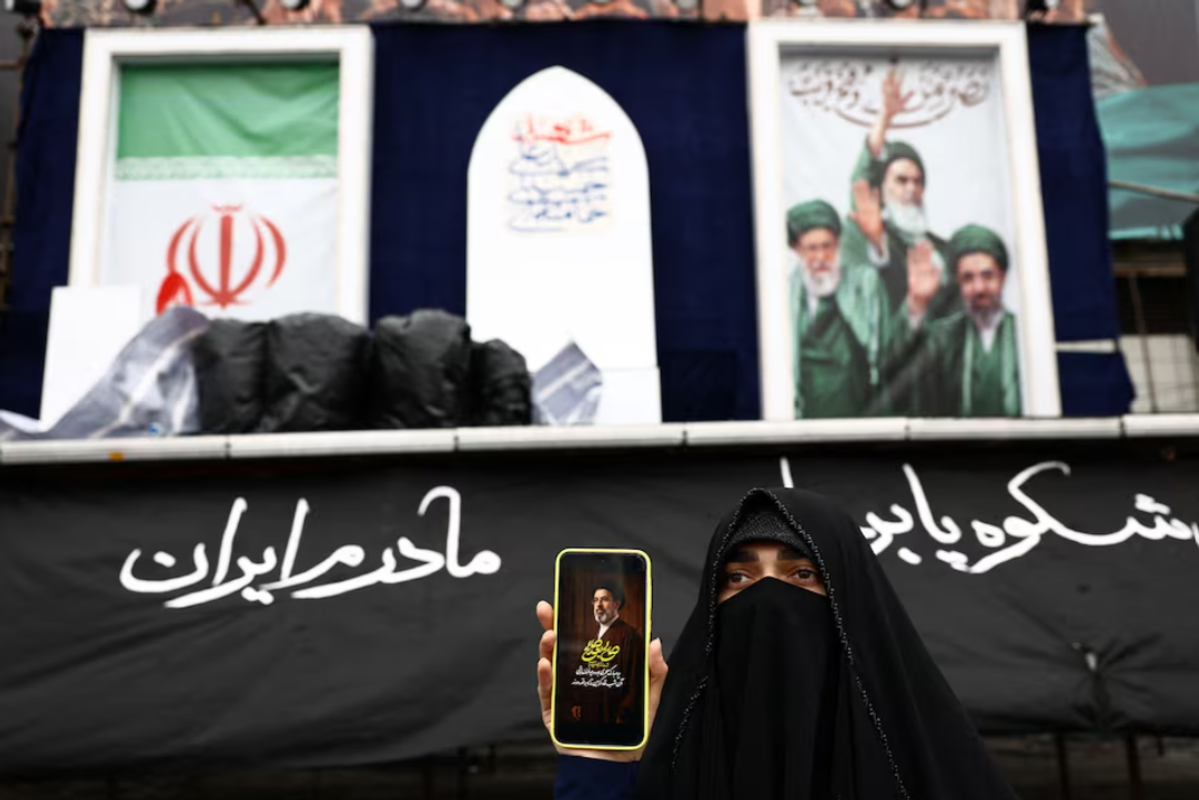
DUBAI / WASHINGTON — March 26 (GeokHub) — Iran has pushed back against a proposed ceasefire plan from the United States, describing it as “one-sided and unfair,” as tensions escalate in the ongoing conflict involving Israel.
A senior Iranian official said the proposal, delivered through diplomatic channels, failed to meet key conditions required for meaningful negotiations, though Tehran indicated that diplomatic efforts have not been completely abandoned.
The development comes as U.S. President Donald Trump warned that Iran must agree to a deal or face continued military pressure.
Ceasefire Proposal Faces Resistance
According to officials familiar with the discussions, the U.S. has put forward a multi-point framework aimed at ending nearly four weeks of fighting.
However, Iranian authorities argue that the proposal primarily reflects U.S. and Israeli interests, lacking balance and failing to address Tehran’s demands.
Iran is reportedly seeking guarantees against future military action, compensation for damages, and greater control over strategic assets, including the Strait of Hormuz.
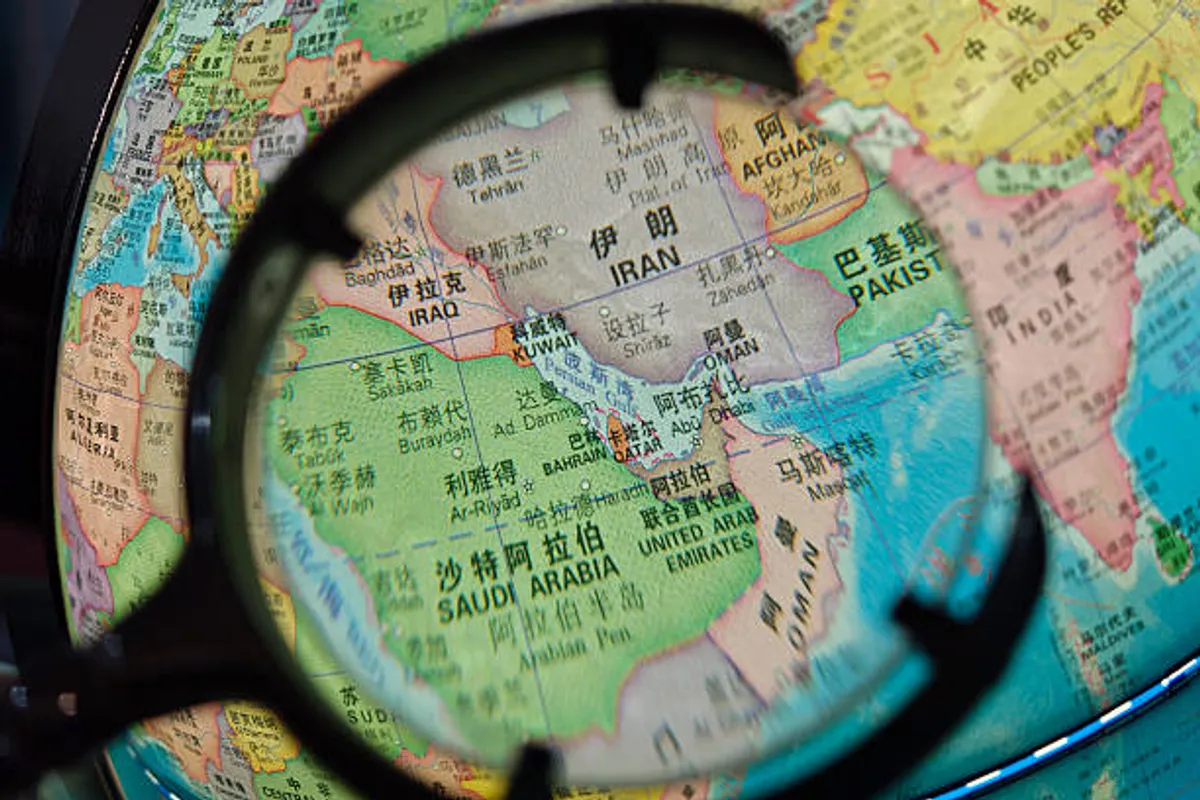
The vital waterway remains at the center of the conflict due to its importance for global oil shipments.
Oil Markets React to Rising Tensions
Global markets responded sharply to the uncertainty surrounding ceasefire prospects.
Oil prices surged above $100 per barrel as concerns grew over disruptions to energy supply routes in the Middle East.
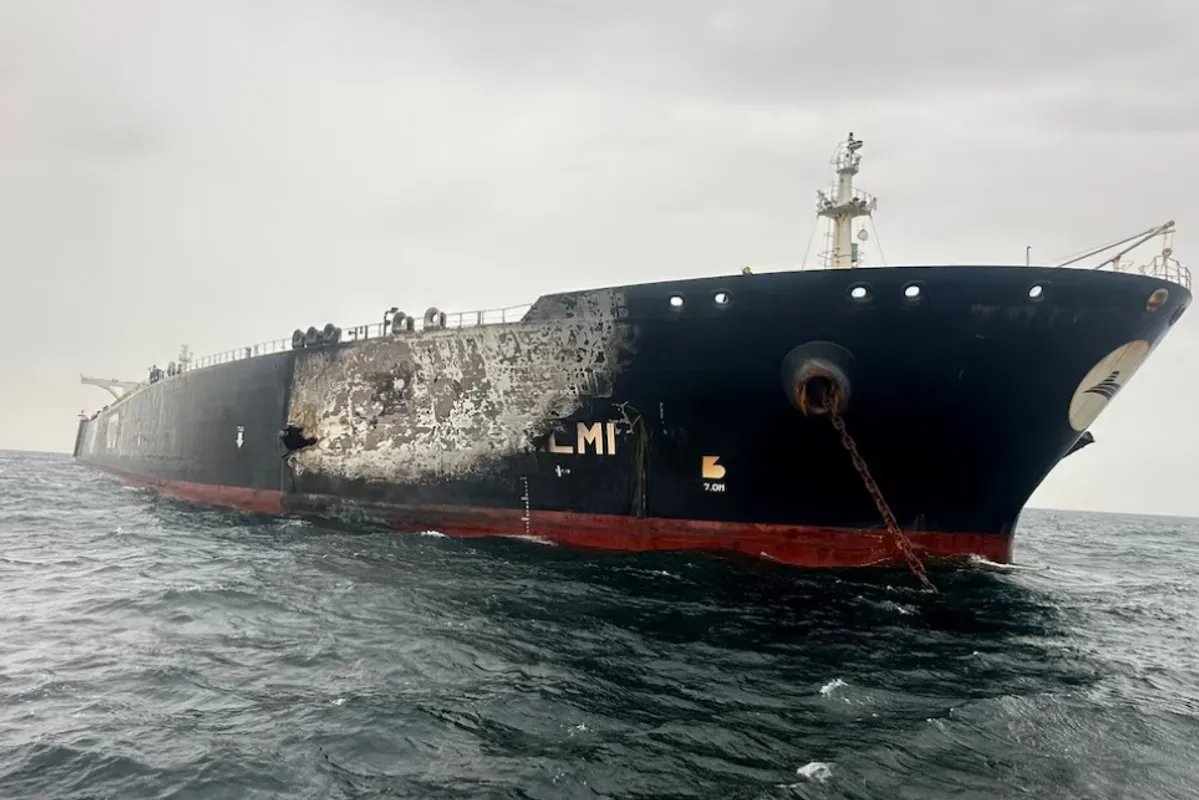
The Strait of Hormuz, through which a significant portion of the world’s oil passes, has seen restricted movement in recent weeks, with Iran exercising tighter control over maritime traffic.
While some vessels have been allowed to pass following diplomatic coordination, the situation remains unstable.
Trump Signals Hardline Approach
Speaking during a Cabinet meeting, Trump suggested that Iran should take steps to reduce tensions, including allowing oil tankers to pass through the strait as a gesture of goodwill.
At the same time, he indicated that military options remain on the table, including potential escalation if negotiations fail.
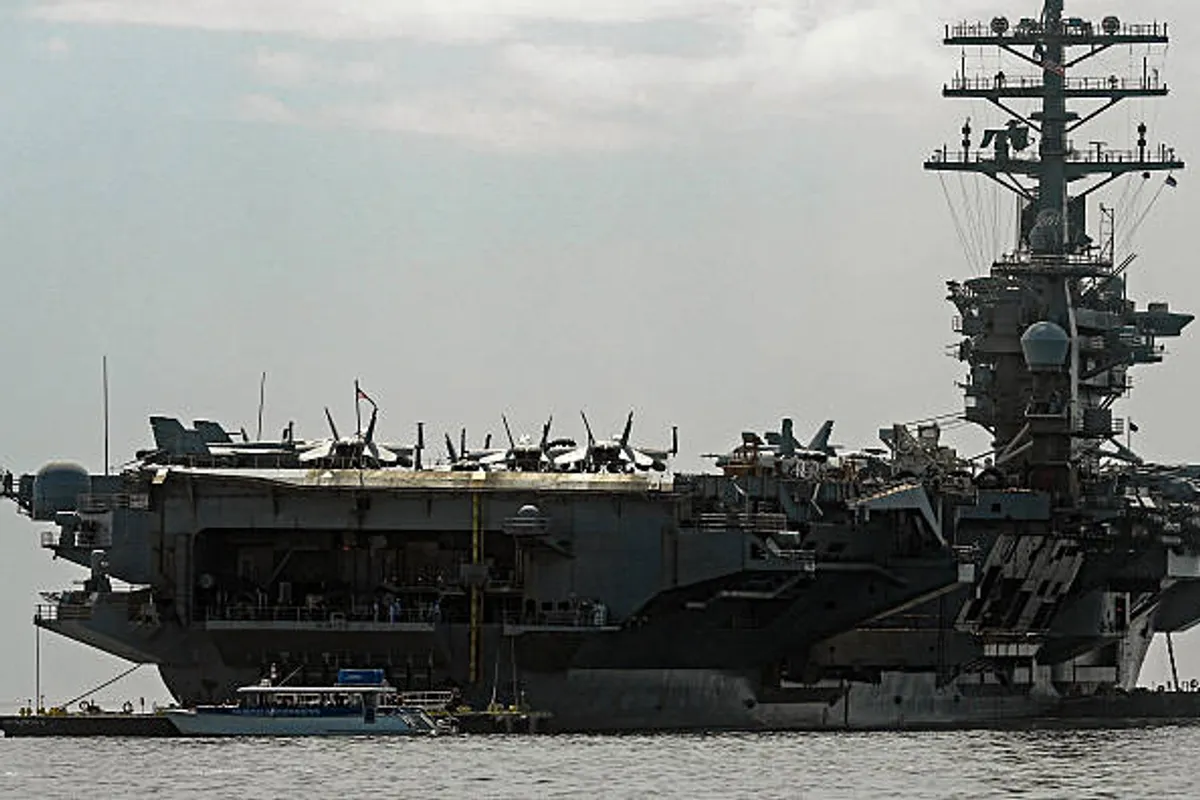
The U.S. has also reportedly prepared additional military deployments to the region, raising concerns about a possible expansion of the conflict.
Indirect Talks Continue
Despite the public rhetoric, indirect communication channels remain active.
Officials say countries such as Pakistan, Turkey and Egypt are helping relay messages between Washington and Tehran.
Diplomats caution that reaching an agreement will be difficult given the wide gap between the positions of both sides.
Renewed Missile Strikes
Meanwhile, military activity continues across the region.
Iran launched multiple missile strikes targeting Israeli cities, including Tel Aviv and Haifa, while Israeli forces carried out strikes on Iranian positions and allied groups in neighboring areas.
Casualties have been reported on both sides, along with damage to infrastructure and residential areas.
The ongoing exchanges highlight the intensity of the conflict and the challenges facing any diplomatic effort to bring it to an end.