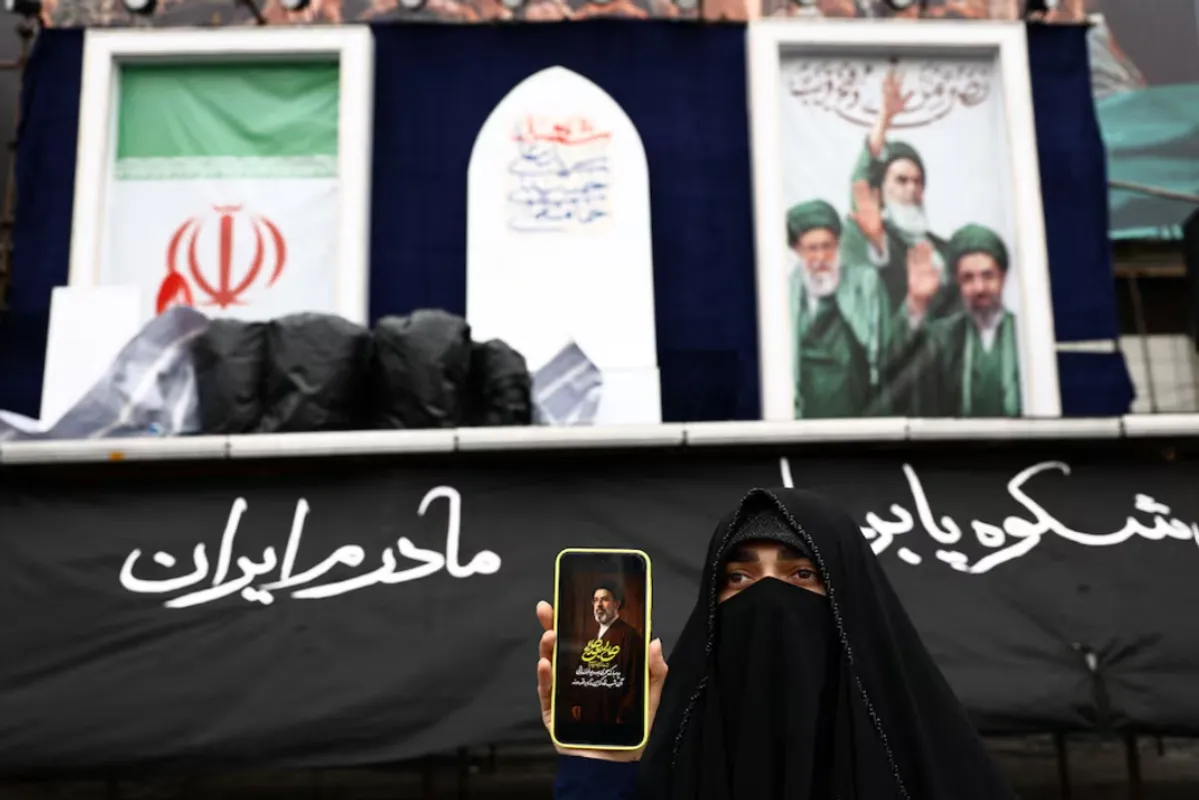
March 28, (GeokHub) – WASHINGTON – One month into the escalating conflict with Iran, U.S. President Donald Trump is confronting increasingly difficult decisions as military, economic, and political pressures intensify.
With global energy prices rising and domestic approval ratings declining, the administration is weighing whether to pursue a negotiated exit or escalate military operations in a conflict that has already expanded across the Middle East.
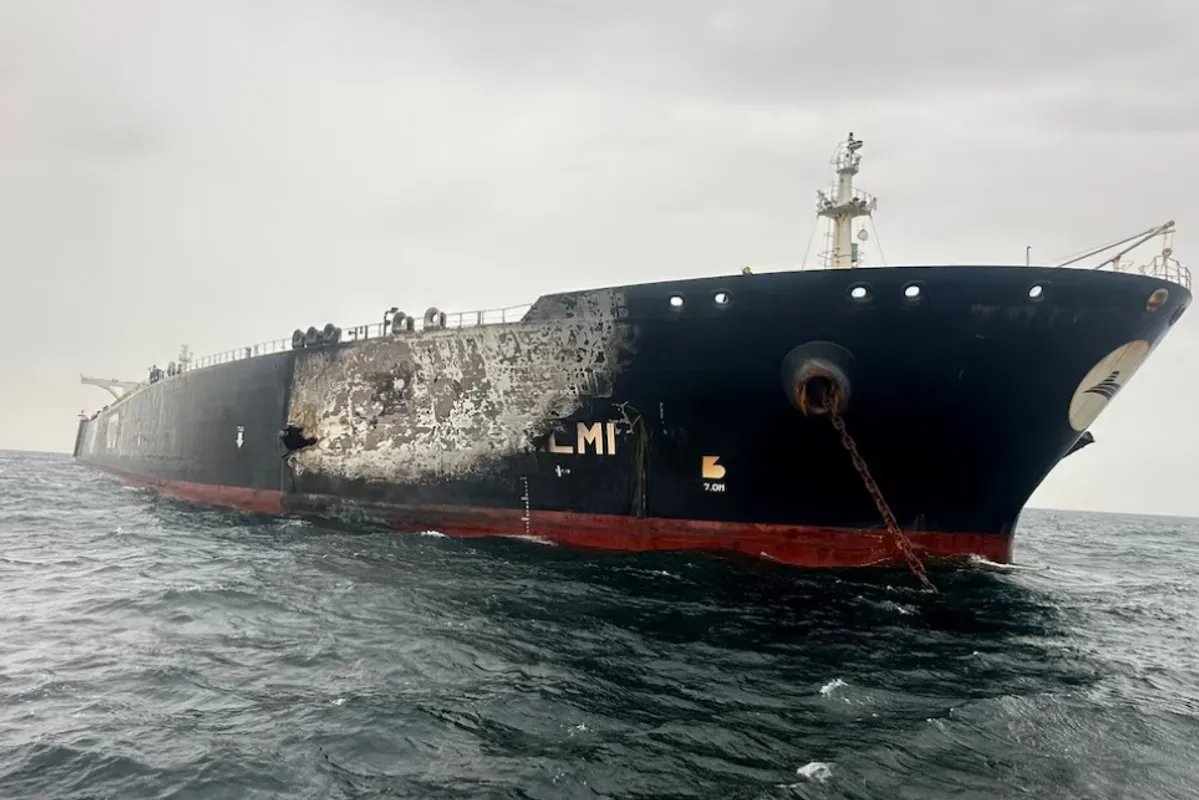
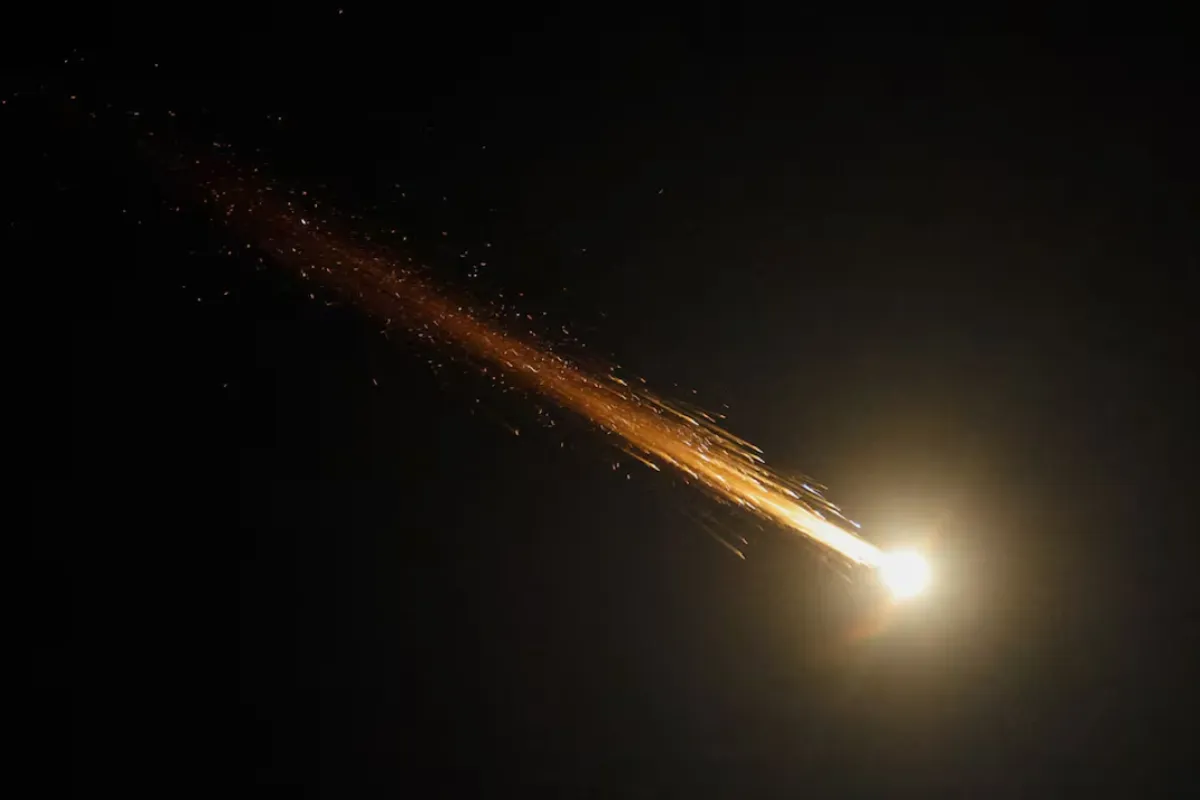
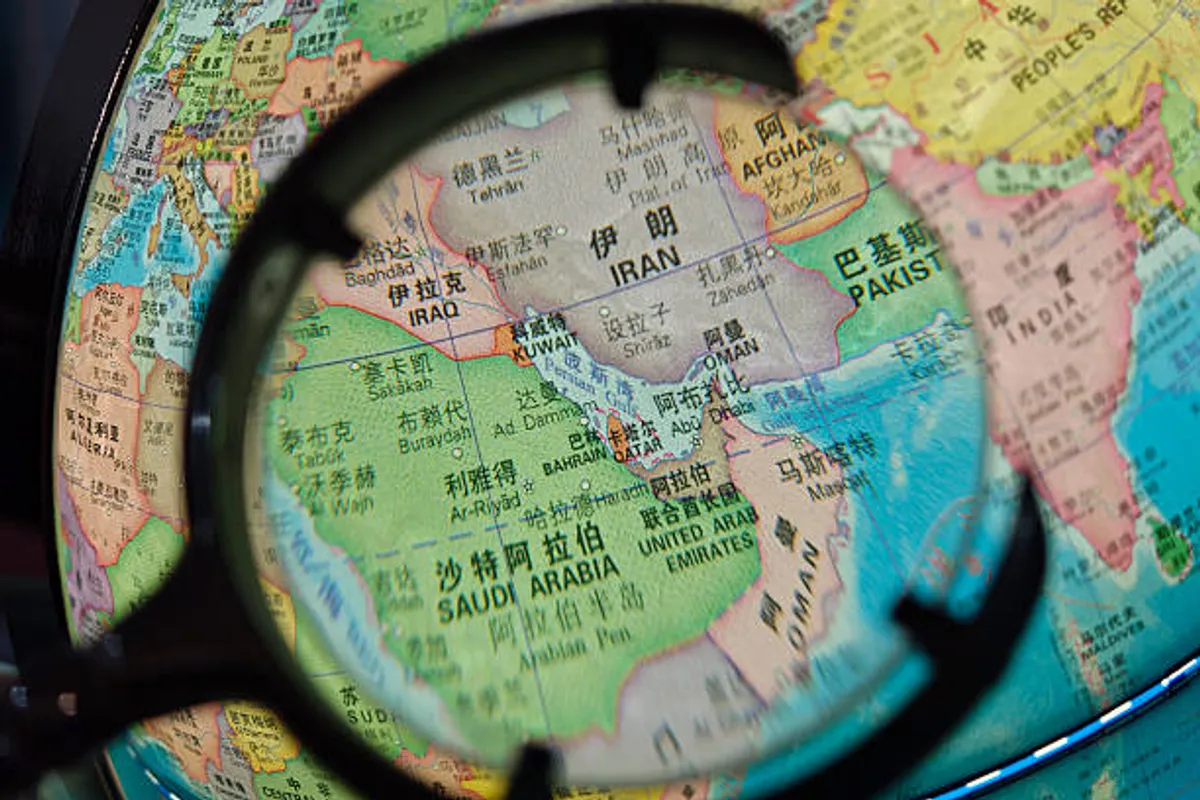
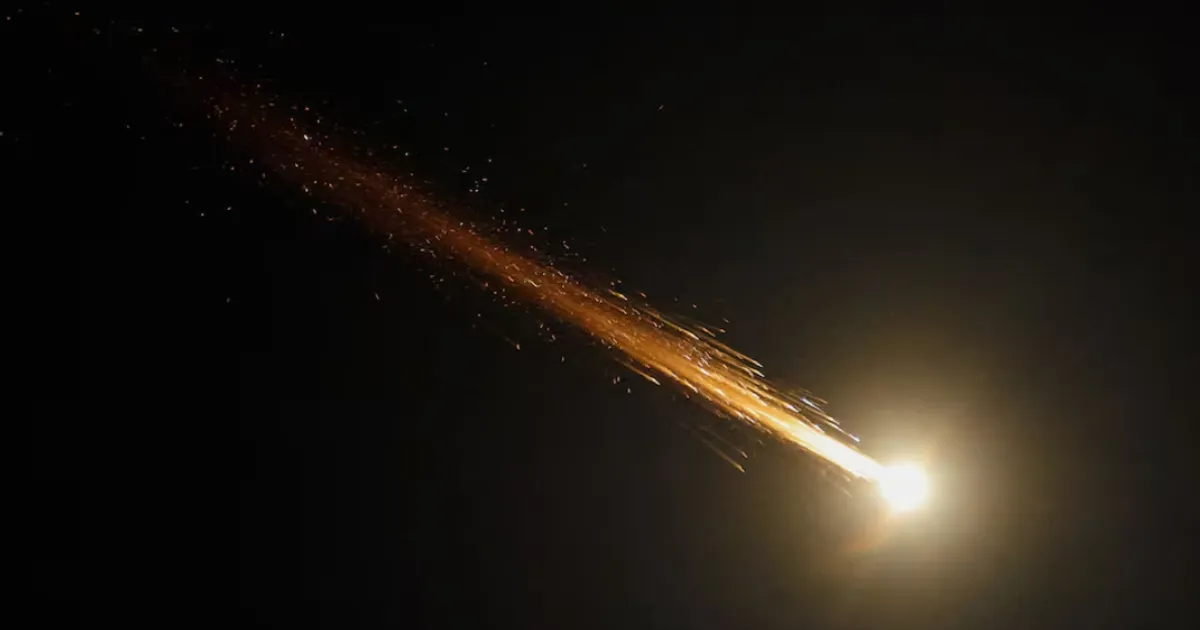
Despite ongoing diplomatic outreach, the situation remains volatile. Iran has continued missile and drone strikes across the region while maintaining significant disruption to oil and gas shipments through the Strait of Hormuz, a critical artery for global energy supply.
Officials within the administration have signaled a desire to avoid a prolonged conflict, with discussions focused on limiting the duration of the war. However, uncertainty remains over whether a viable diplomatic resolution is achievable in the near term. Analysts say the lack of a clearly defined end goal complicates decision-making at the highest level.
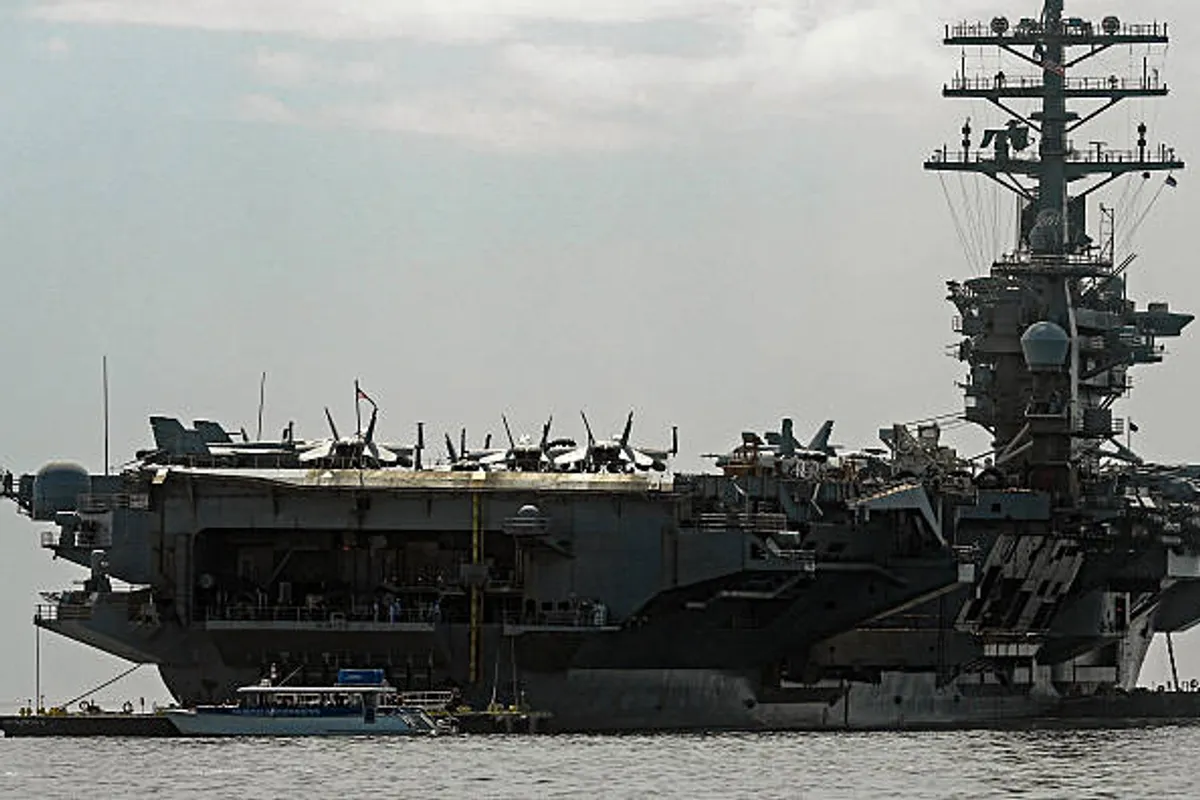
At the same time, the United States has increased its military presence in the region, deploying additional forces while warning of potential escalation if negotiations fail. Some experts believe this show of strength is intended to pressure Tehran into concessions, though it also raises the risk of a deeper and longer conflict.
The war’s economic impact is already being felt globally. Disruptions in the Gulf have contributed to sharp increases in oil prices, affecting industries and consumers worldwide. The prolonged closure or restriction of key shipping routes continues to fuel uncertainty in international markets.
Domestically, the conflict is drawing growing scrutiny. Public opinion has turned increasingly critical, with concerns over rising fuel costs and the potential for extended military involvement. Political analysts warn that the situation could have significant implications for upcoming elections, as lawmakers face pressure from constituents over the war’s direction and impact.
Diplomatic efforts remain complicated. Proposals aimed at ending the conflict have struggled to gain traction, with Iran signaling that key conditions remain unacceptable. Meanwhile, leadership changes within Iran following recent strikes have introduced more hardline figures, further complicating negotiations.
Allies are also watching closely. Some fear that a rapid U.S. withdrawal could leave the region unstable, while others are concerned that escalation could draw them into a broader confrontation.