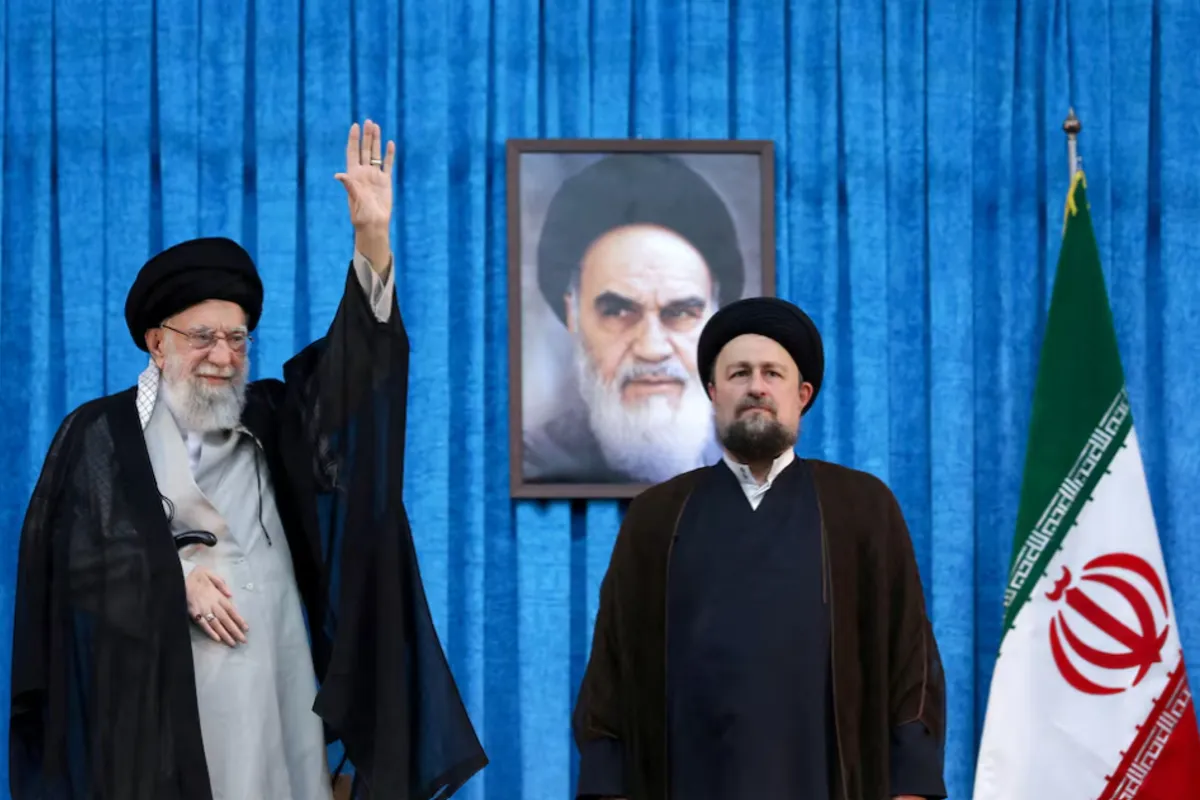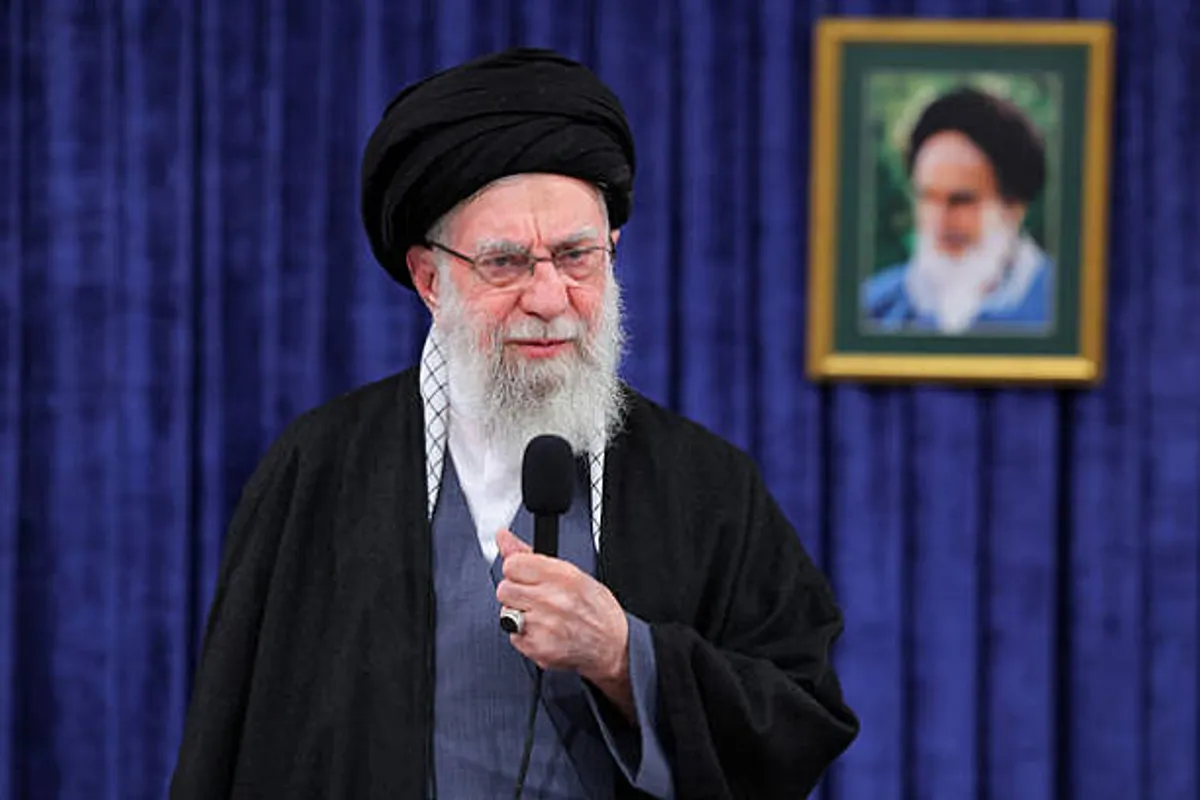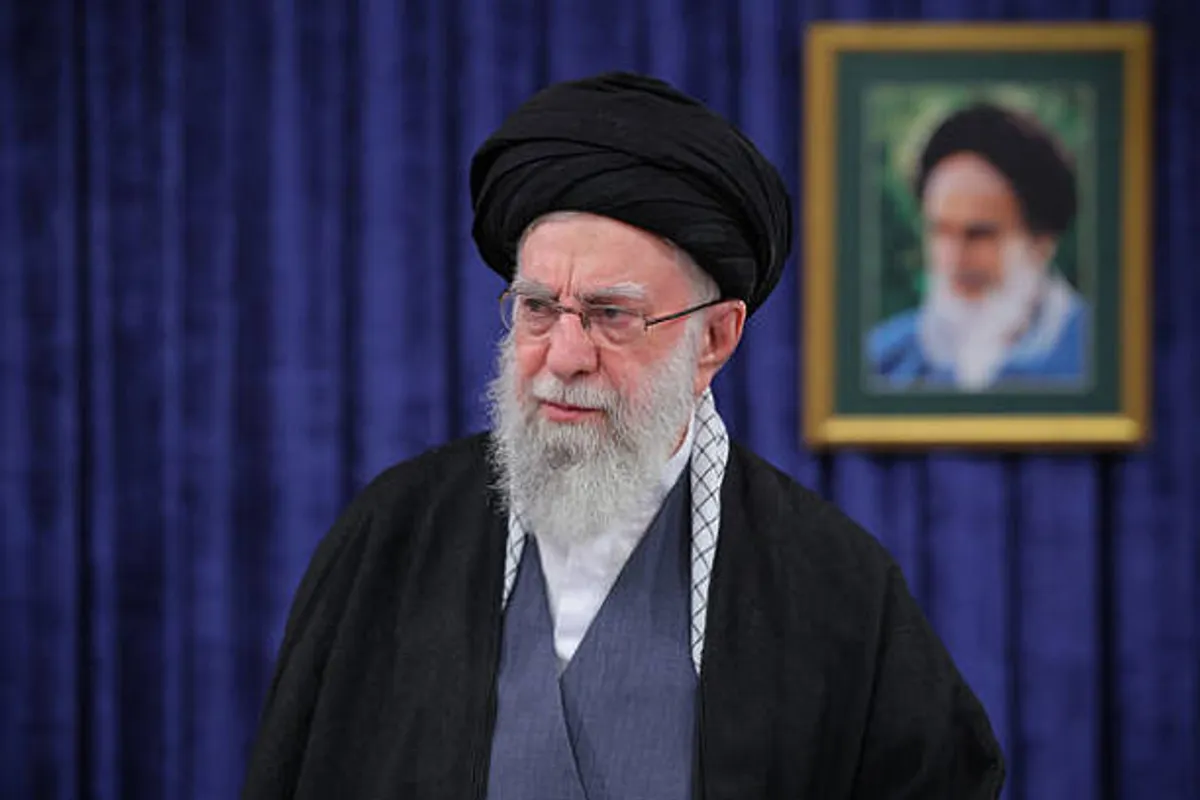
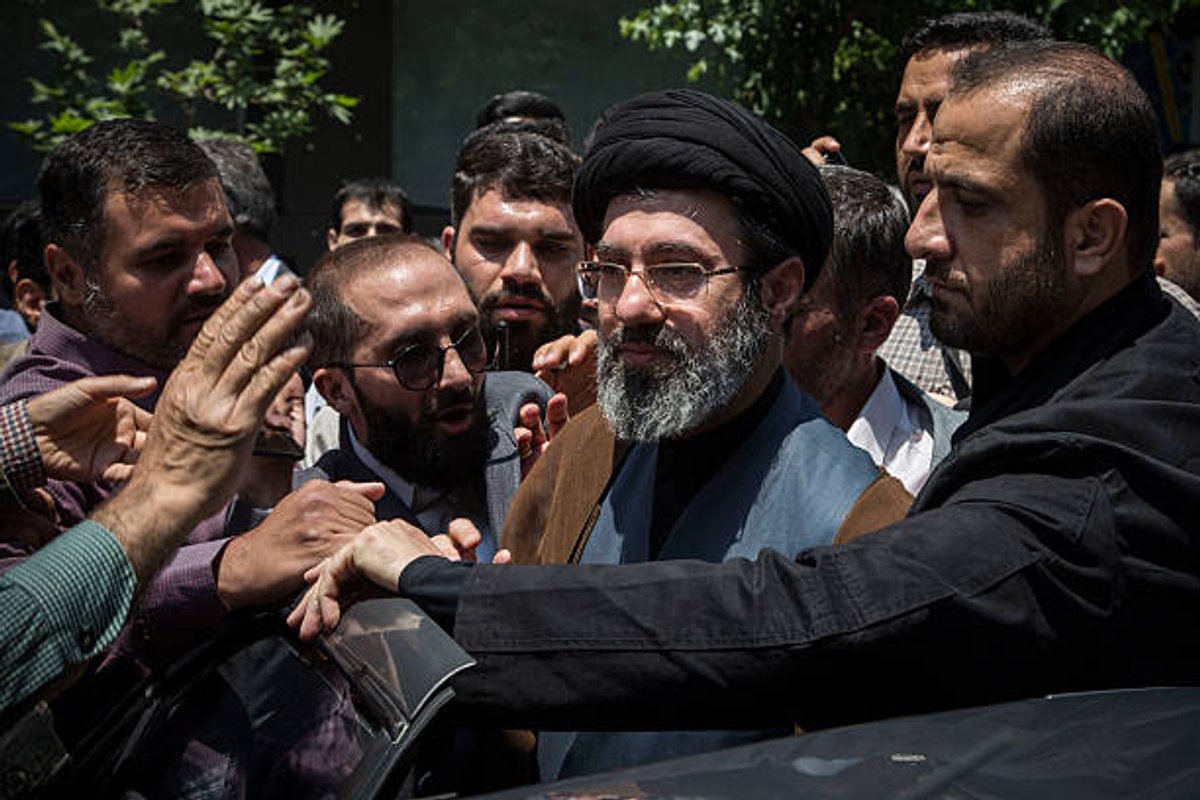
DUBAI/JERUSALEM, March 4 (GeokHub) - Mojtaba Khamenei, the son of Iran’s late Supreme Leader Ali Khamenei, is alive and increasingly viewed within influential circles as the frontrunner to assume the country’s highest authority, according to Iranian sources familiar with internal deliberations.
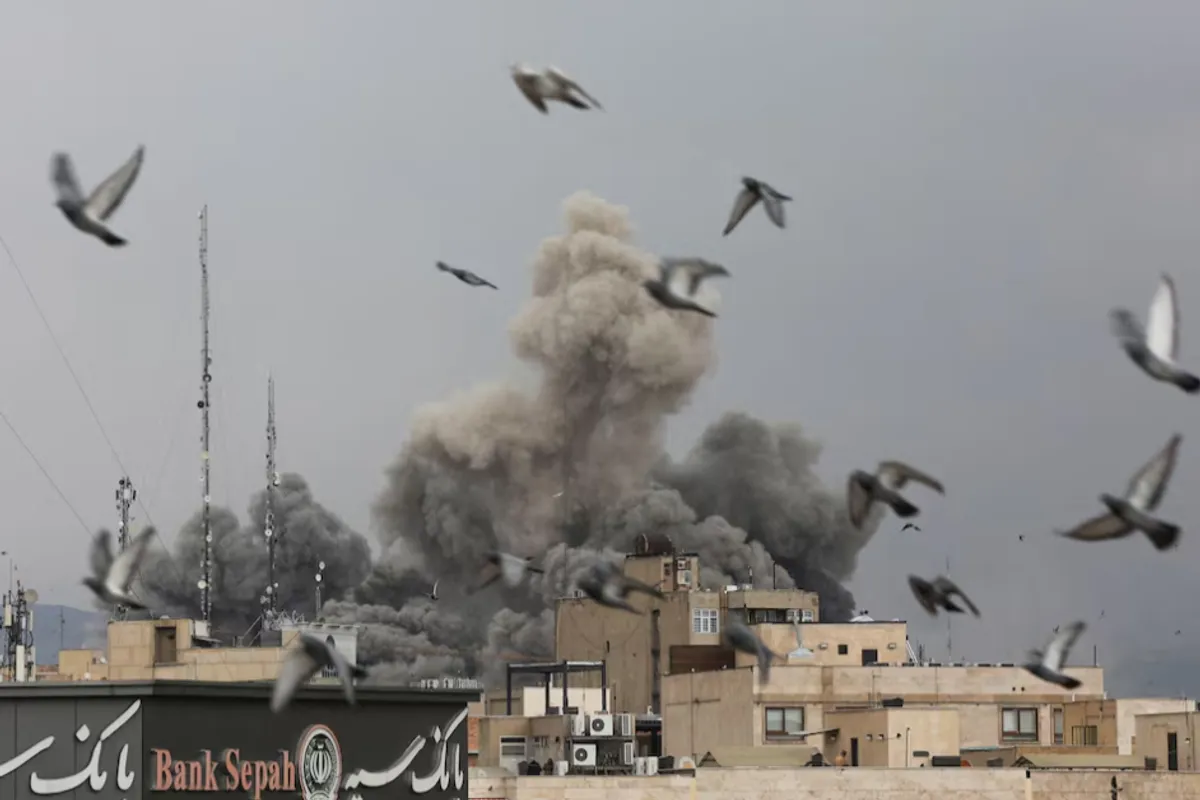
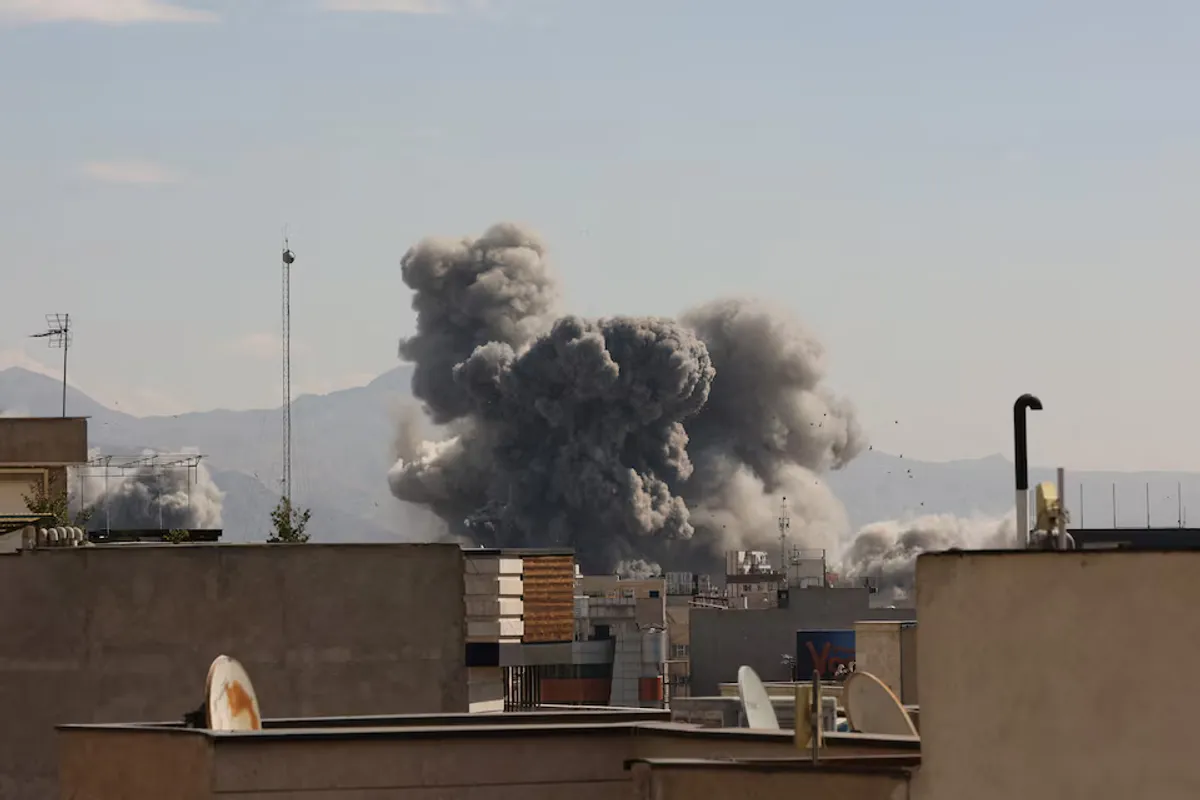
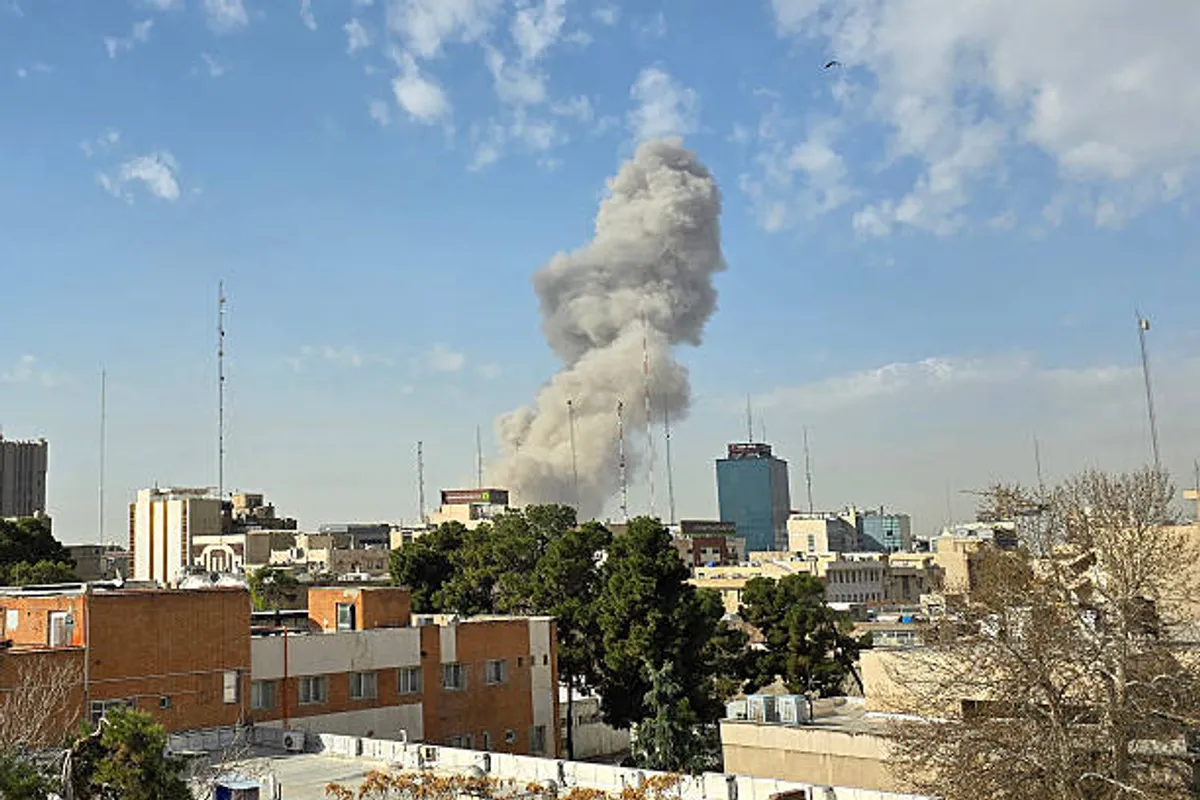
The development follows the unprecedented killing of the 86-year-old cleric in an Israeli airstrike over the weekend — the first time a sitting head of state has been assassinated through an aerial military operation. The strike reportedly destroyed the leader’s compound in Tehran, also claiming the lives of close family members and senior figures in Iran’s military and political establishment.
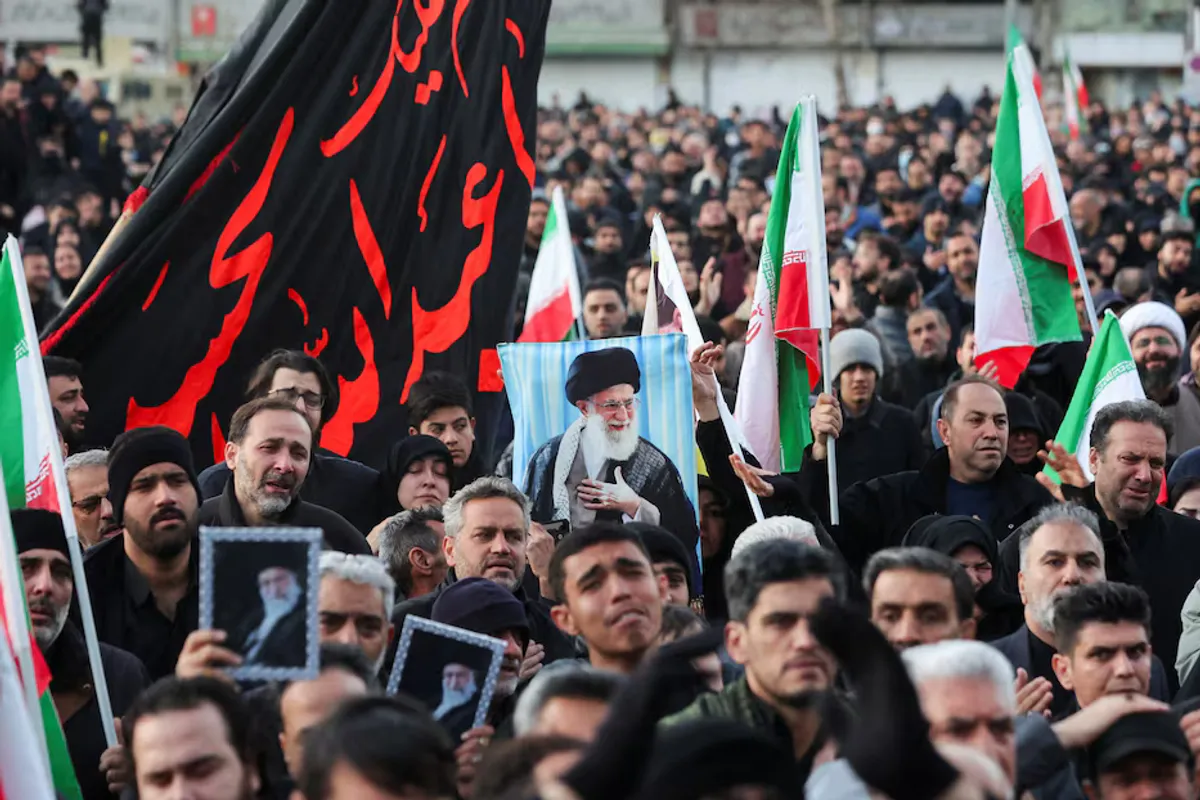
Plans for public funeral rites in Tehran were abruptly postponed amid renewed explosions in the capital, underscoring the fragile security situation as hostilities between Iran, Israel and the United States intensify.
Succession Process Underway
Under Iran’s constitutional framework, the powerful Assembly of Experts is responsible for selecting the next Supreme Leader. Officials have indicated that deliberations are ongoing and that candidates have already been identified, though no formal announcement has been made.
Sources say Mojtaba Khamenei, 56, was not present in Tehran at the time of the strike. Over the years, he has consolidated influence within Iran’s security institutions and maintains close ties to elements of the Revolutionary Guard. His elevation would likely signal continuity of the hardline policies that shaped his father’s rule.
Another frequently mentioned figure is Hassan Khomeini, grandson of the Islamic Republic’s founder, who is associated with reformist factions that have struggled for political space in recent decades.
Israel has made clear that it will treat any successor as a strategic adversary if hostilities continue. Israeli Defense Minister Israel Katz warned that any future Iranian leader perceived as threatening Israel would face direct consequences.
Conflict Expands Across the Region
Meanwhile, the broader military campaign shows little sign of slowing. The head of U.S. Central Command, Brad Cooper, said American forces are conducting continuous operations targeting Iranian military assets. Tens of thousands of personnel, aircraft and naval units are reportedly engaged across multiple domains.
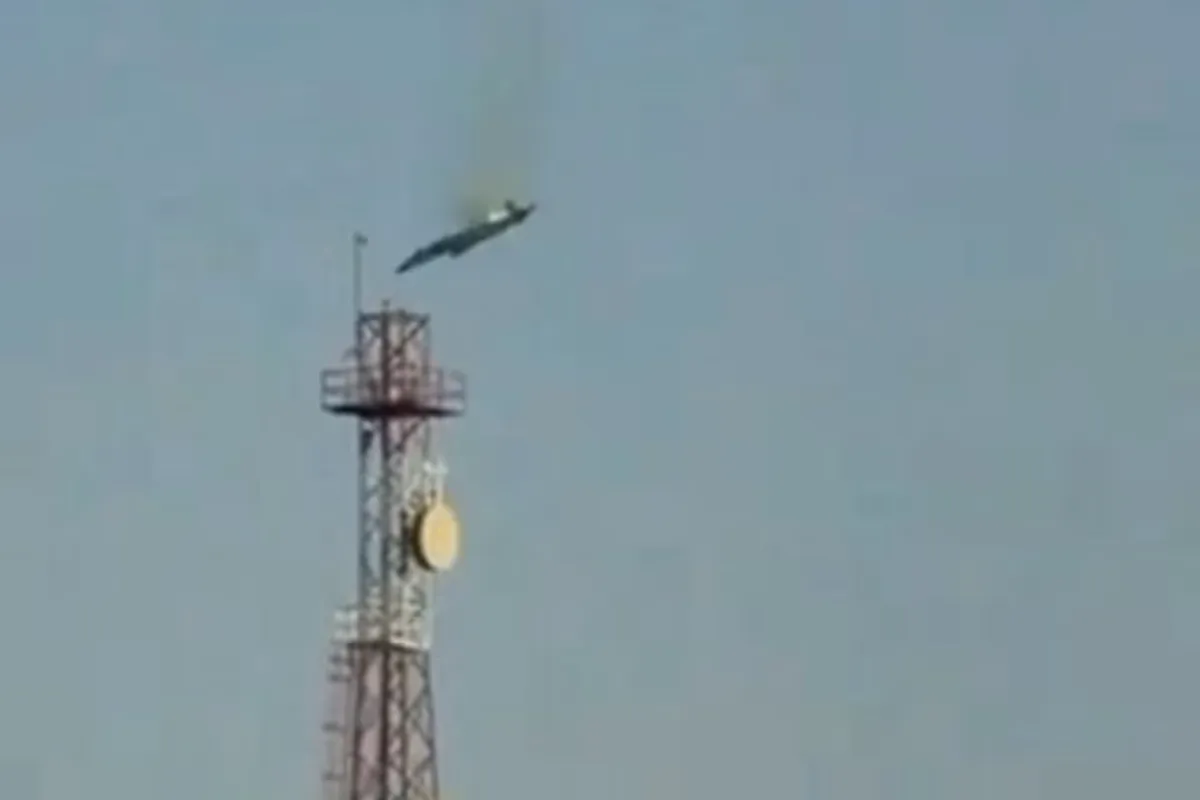
Israel confirmed additional strikes inside Iran for a fifth consecutive day. In a notable development, an Israeli F-35 fighter jet shot down an Iranian Yak-130 aircraft over Tehran, marking what analysts believe could be the first recorded air-to-air kill involving the advanced stealth platform.
Beyond Iran’s borders, the conflict has spread into Lebanon, where Israeli forces have targeted positions linked to Hezbollah. Ground operations in southern Lebanon are reportedly expanding, with evacuation warnings issued to civilians south of the Litani River.
Regional tensions escalated further after Turkey confirmed that an Iranian missile was intercepted in its airspace — drawing a NATO member directly into the expanding confrontation.
Global Economic Shockwaves
Financial markets reacted sharply to the growing instability. Asian markets experienced steep losses earlier in the week, while European indices later stabilized on speculation that diplomatic channels could eventually reopen.
Energy markets remain on edge after Iran declared the Strait of Hormuz under its control, warning vessels against transit. The waterway carries roughly one-fifth of global oil and liquefied natural gas shipments. Major producers including Qatar have reportedly halted certain operations, while Iraq has scaled back output.
U.S. President Donald Trump said naval escorts for oil tankers remain an option if necessary, though industry analysts caution that insurance costs and supply disruptions could continue to pressure global energy prices.
Domestic Mood Inside Iran
Inside Iran, public reaction remains mixed. While some citizens have quietly expressed relief over the end of a long-standing leadership era, many remain focused on immediate safety concerns amid airstrikes and internal security crackdowns.
Analysts suggest that with bombs falling and military patrols intensified, visible dissent is unlikely in the near term. The immediate priority for many civilians is survival rather than political expression.
As succession deliberations move forward, the choice of Iran’s next Supreme Leader will shape not only the country’s domestic trajectory but also the broader geopolitical landscape across the Middle East.