GENEVA — March 10 (GeokHub) — A rapidly escalating conflict in Lebanon has triggered a severe humanitarian crisis, with nearly 700,000 people displaced and dozens of children killed within the first week of fighting, according to United Nations agencies.
Officials from the World Health Organization and the United Nations High Commissioner for Refugees reported Tuesday that at least 84 children have died since hostilities intensified, as large-scale airstrikes and rocket attacks spread across the country.
The conflict has resulted in a total of 486 deaths and more than 1,300 injuries so far, with children accounting for a significant portion of the casualties.
Conflict Expands Across the Region
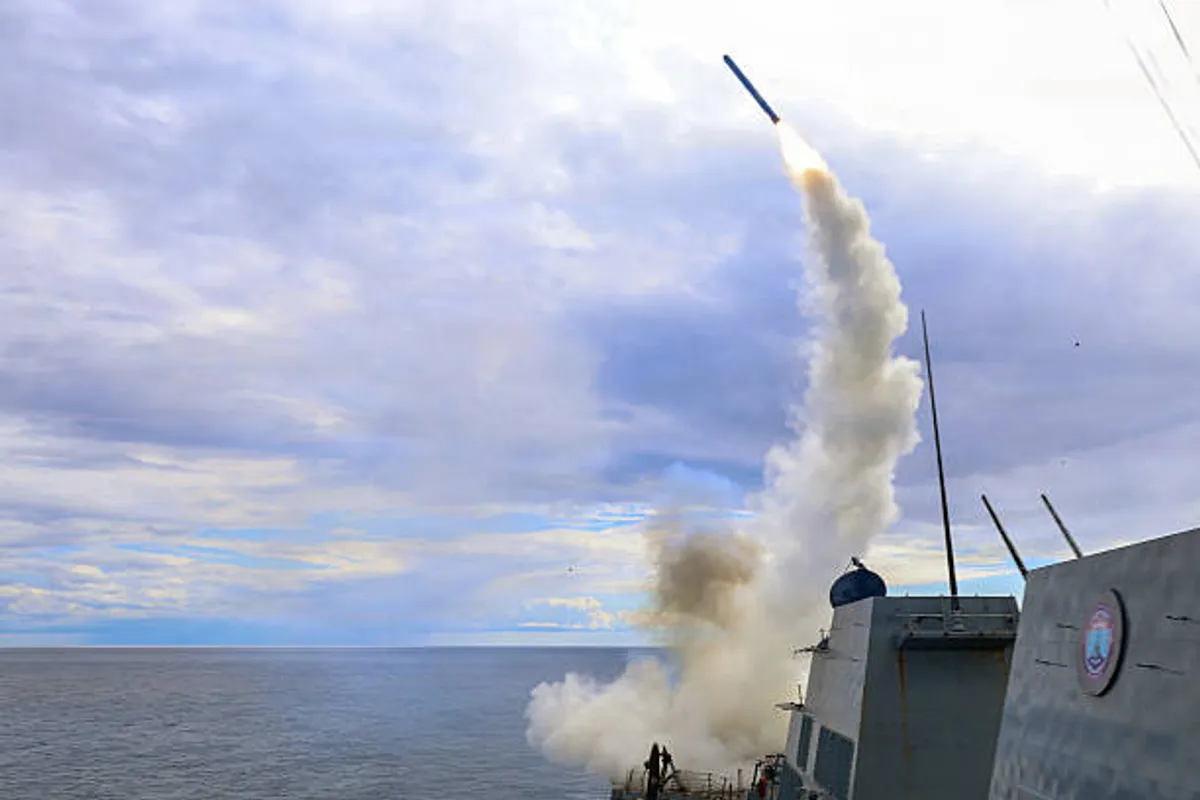
The violence intensified after armed group Hezbollah launched rockets and drones toward Israel earlier this month amid broader regional tensions tied to the ongoing confrontation involving Iran.
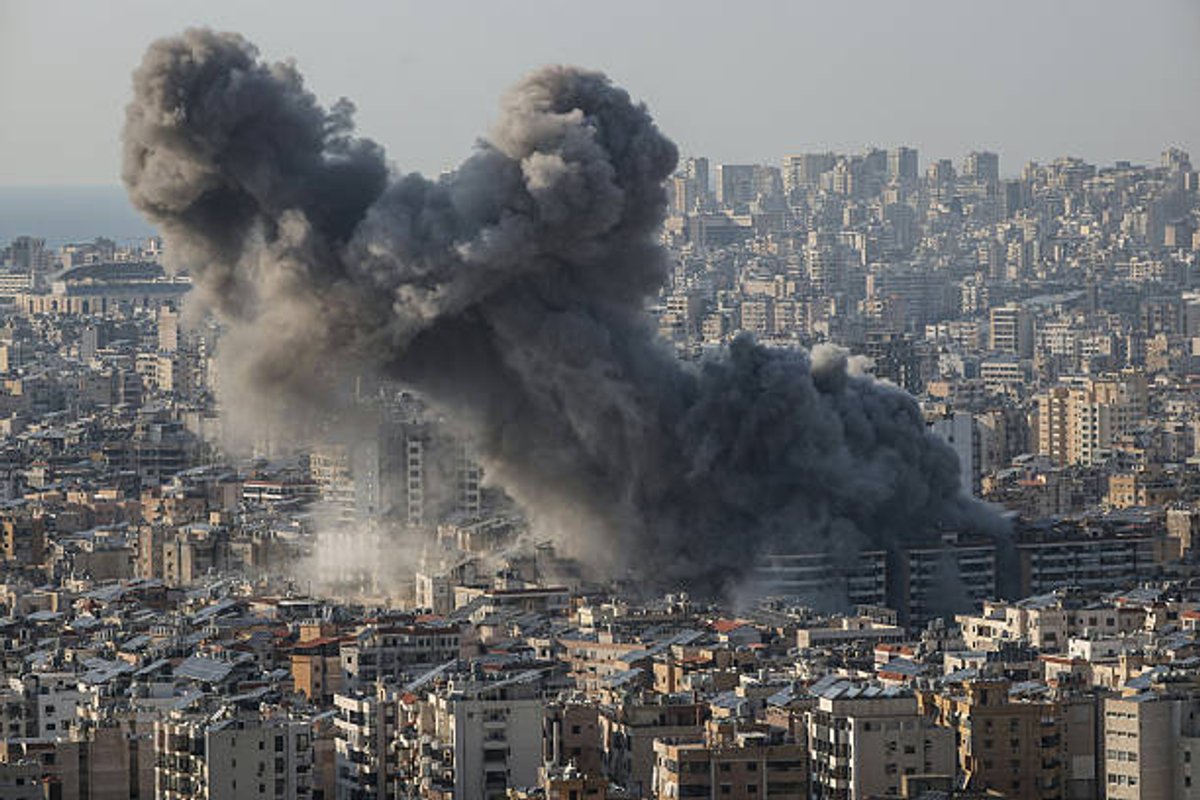
Israel responded with extensive airstrikes targeting locations across Lebanon, saying the attacks were aimed at Hezbollah infrastructure.
However, international health officials warn that densely populated urban areas have been heavily affected, increasing the risk to civilians.
“Within only seven days of fighting, we are already seeing a devastating impact on children,” said Abdinasir Abubakar, the WHO’s representative in Lebanon.
He noted that many of the attacks have occurred near major population centers, including the capital, Beirut.
Massive Displacement Across Lebanon
The ongoing strikes and evacuation orders have forced hundreds of thousands of people to flee their homes.
According to UN estimates, more than 667,000 residents have already been displaced across the country.
The scale of displacement is rising faster than during the major conflict between Israel and Hezbollah in 2023–2024, when approximately 886,000 people were internally displaced.
Israeli evacuation warnings issued for southern Lebanon and densely populated suburbs of Beirut triggered large waves of civilians leaving affected areas.
Hospitals Under Extreme Pressure
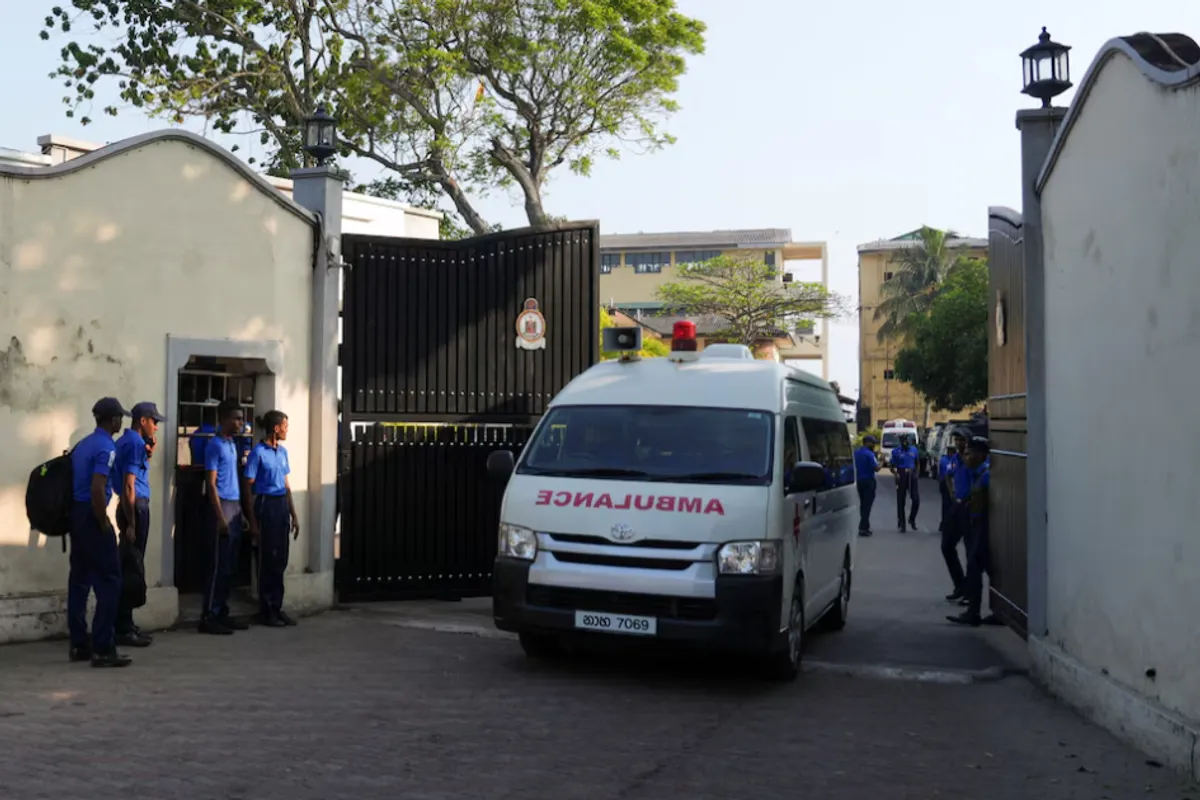
Healthcare services across Lebanon are struggling to cope with the surge in casualties.
The World Health Organization says five hospitals have been forced to close entirely due to damage, while four others are operating only partially.
Additionally, 43 primary healthcare centers are no longer functioning, most of them located in southern regions heavily impacted by fighting.
Medical staff and emergency responders are facing mounting pressure as the number of wounded civilians continues to rise.
Thousands Seeking Shelter
The refugee agency says about 120,000 displaced people are currently staying in government-run shelters.
Many others are living with relatives or friends, while some families have been forced to sleep in cars or temporary shelters due to the lack of available housing.
Karolina Lindholm Billing, the UN refugee agency’s representative in Lebanon, said many families fleeing the latest violence had already experienced displacement during previous conflicts.
As a result, civilians are evacuating quickly rather than waiting to see how the situation unfolds.
Growing Humanitarian Concerns
International humanitarian groups warn that the continued escalation could push Lebanon deeper into crisis if the fighting continues.
With infrastructure damaged, healthcare systems strained and large numbers of people forced from their homes, aid agencies say urgent assistance will be required to support displaced communities.
Humanitarian Impact
The latest escalation underscores the severe toll that modern conflicts can have on civilian populations.
Urban warfare, large-scale evacuations and damaged infrastructure are creating a complex humanitarian emergency that could take years to recover from.
If the conflict continues to intensify, relief agencies warn that displacement numbers could climb further, placing additional strain on Lebanon’s already fragile economic and healthcare systems.