DUBAI/JERUSALEM/DORAL, Florida, March 9 (GeokHub) — Iran’s political establishment has rallied behind newly appointed Supreme Leader Mojtaba Khamenei as the conflict between Iran and Israel continued into another week, while U.S. President Donald Trump suggested the war could end sooner than expected.
Mojtaba Khamenei, a cleric long associated with Iran’s powerful security institutions, assumed leadership after the death of his father, Ayatollah Ali Khamenei, who was killed in an Israeli strike at the start of the conflict.
Despite Trump’s prediction that the fighting might conclude quickly, Iranian officials and military leaders signaled that Tehran intends to continue resisting military pressure.
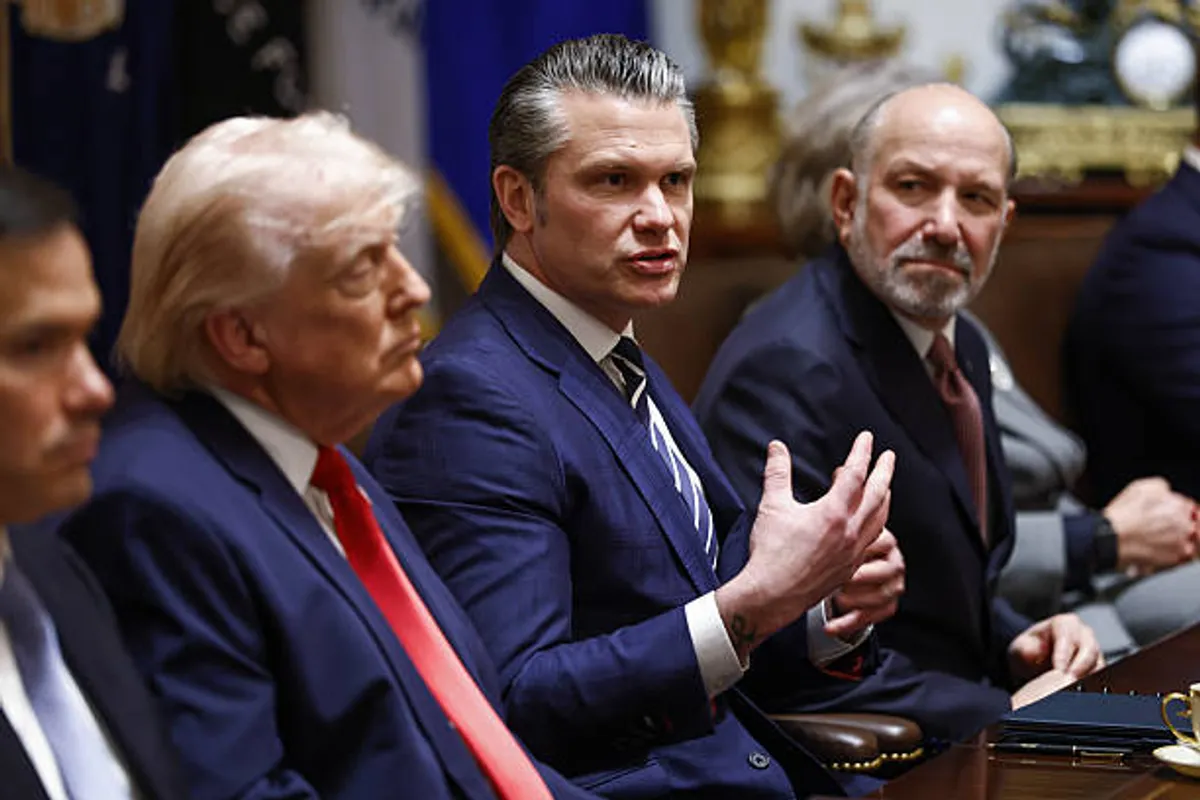
Trump predicts conflict may end soon
Trump said Iran’s leadership made a serious miscalculation by elevating Mojtaba Khamenei to the country’s highest position.
Speaking in media interviews and to political allies, the U.S. president suggested the war could conclude sooner than the several weeks he previously projected.
He described the conflict as a limited military campaign aimed at weakening Iran’s capabilities, adding that operations would continue until the country is decisively defeated.
Iran’s leadership shows defiance
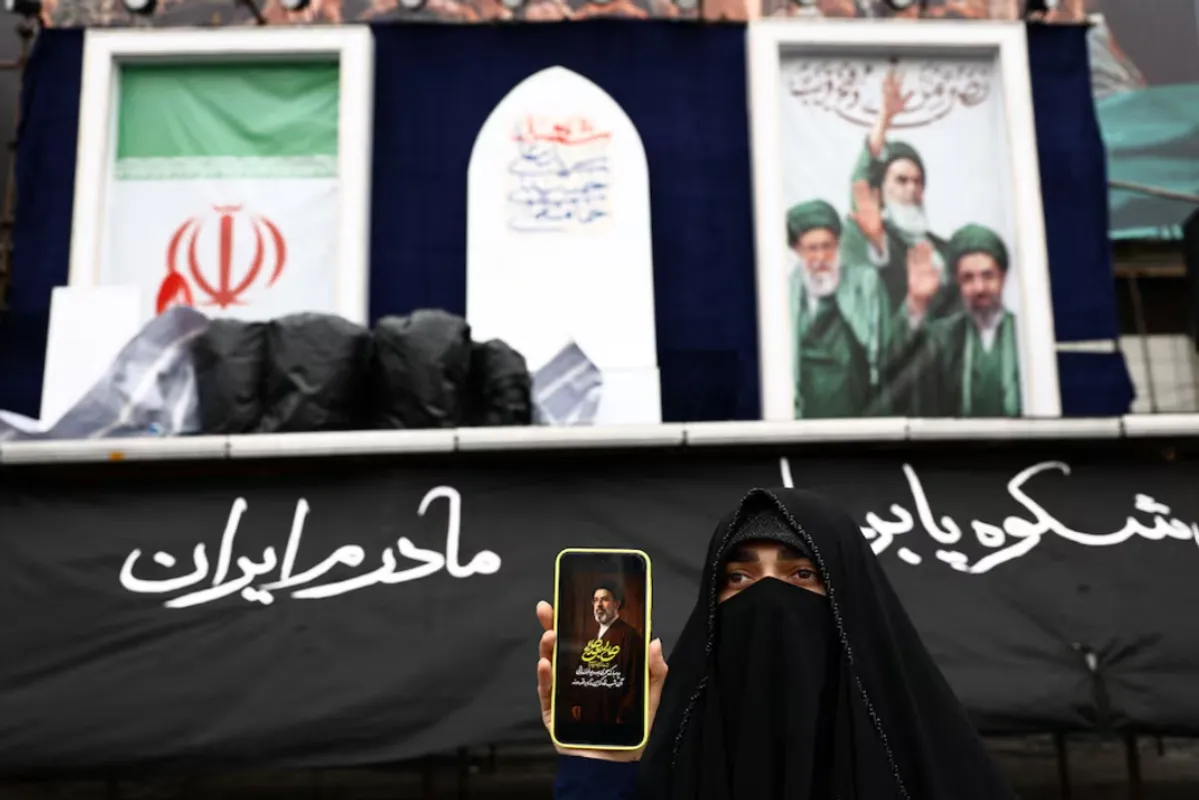
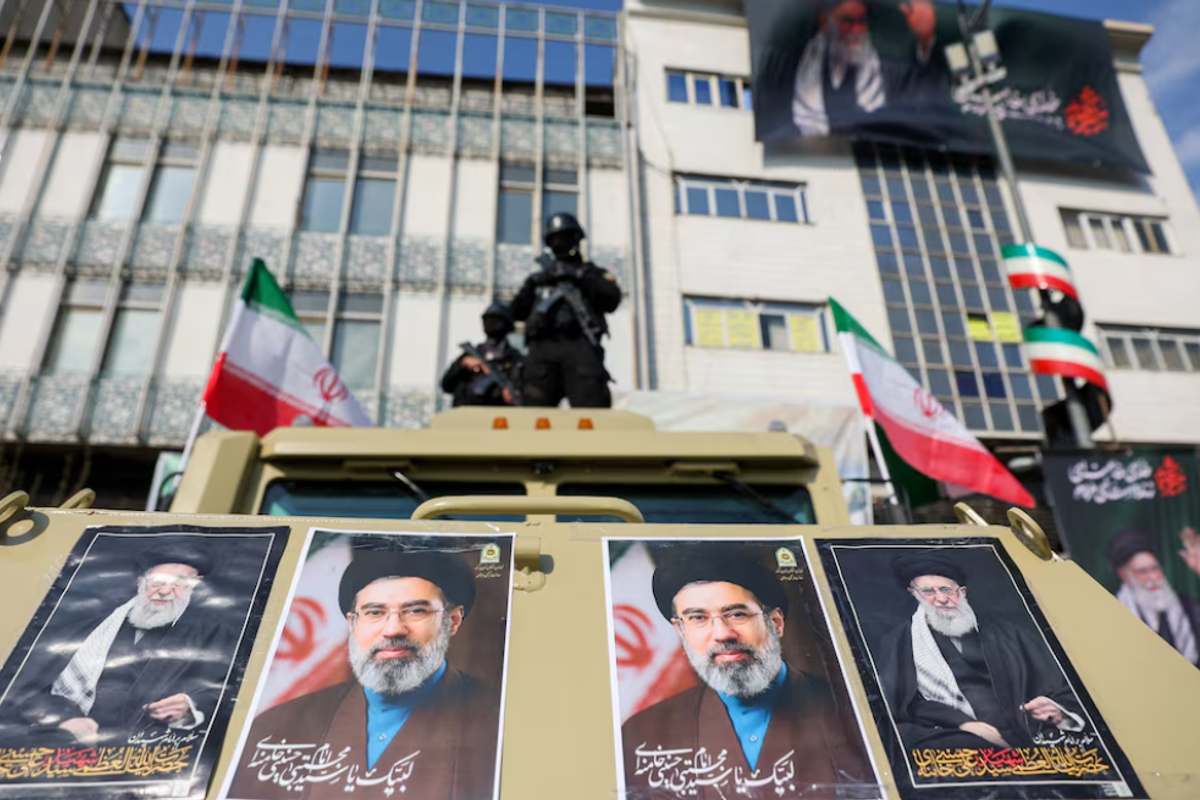
Iranian state media broadcast scenes of large public gatherings across several cities where supporters pledged loyalty to the new supreme leader.
Crowds waving national flags gathered in public squares while chanting religious slogans and displaying portraits of both the late leader and his successor.
Iran’s military leadership also issued statements declaring full support for Mojtaba Khamenei and promising continued resistance against foreign attacks.
Officials said missile operations would intensify in response to ongoing strikes.
Mixed reactions inside Iran
Public reaction within Iran appeared divided.
Some supporters of the government welcomed Mojtaba Khamenei’s appointment as a sign that the country’s political system remains stable despite the loss of its previous leader.
Others expressed concern that the transition could reduce the chances of political reform.
Several residents contacted by journalists said fears of the ongoing war have discouraged public demonstrations against the government.
Energy markets react to conflict
The conflict has also shaken global energy markets.
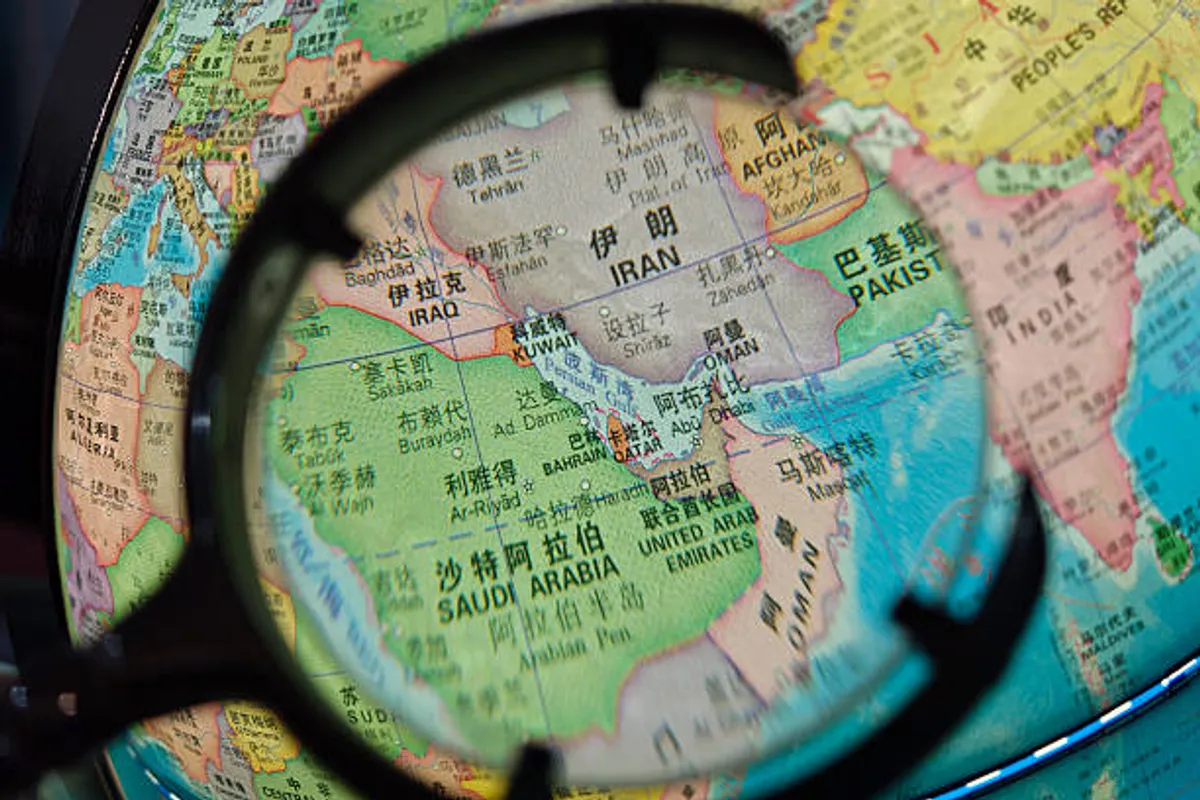
The Strait of Hormuz — a key shipping route responsible for transporting about one-fifth of the world’s oil and liquefied natural gas — has been effectively closed for more than a week.
Oil prices surged during trading before retreating later in the day as markets reacted to comments suggesting the conflict might be resolved sooner than expected.
The U.S. government is reportedly exploring several options to stabilize energy prices, including adjusting sanctions on Russian oil or releasing supplies from strategic reserves.
Continued military escalation
Airstrikes continued across several areas of the region.
Explosions were reported in central Iran while Israel carried out strikes in Lebanon following attacks by Hezbollah.
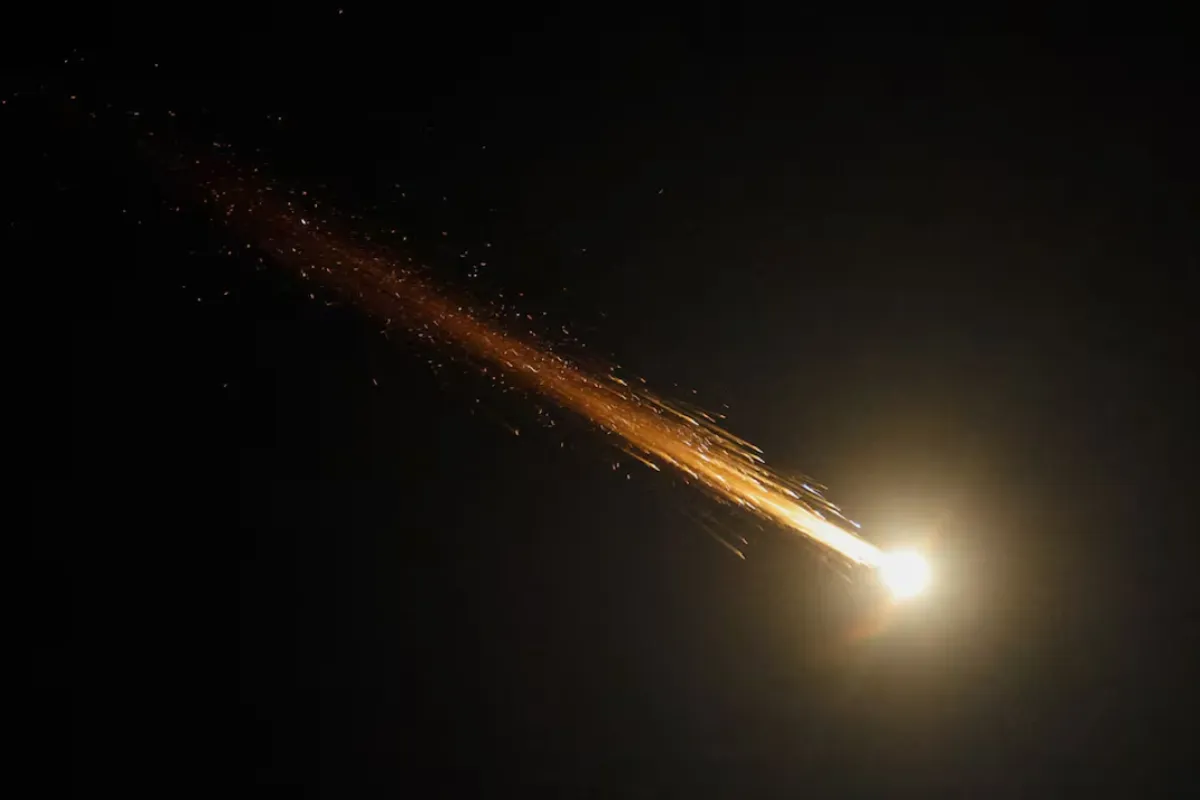
Iranian strikes have also hit locations in Israel, where casualties have been reported from missile and drone attacks.
International health officials warned that damage to an oil refinery in Tehran could pose environmental risks if fires spread and contaminate nearby air and water supplies.
The conflict has already caused significant casualties across multiple countries and displaced hundreds of thousands of people.