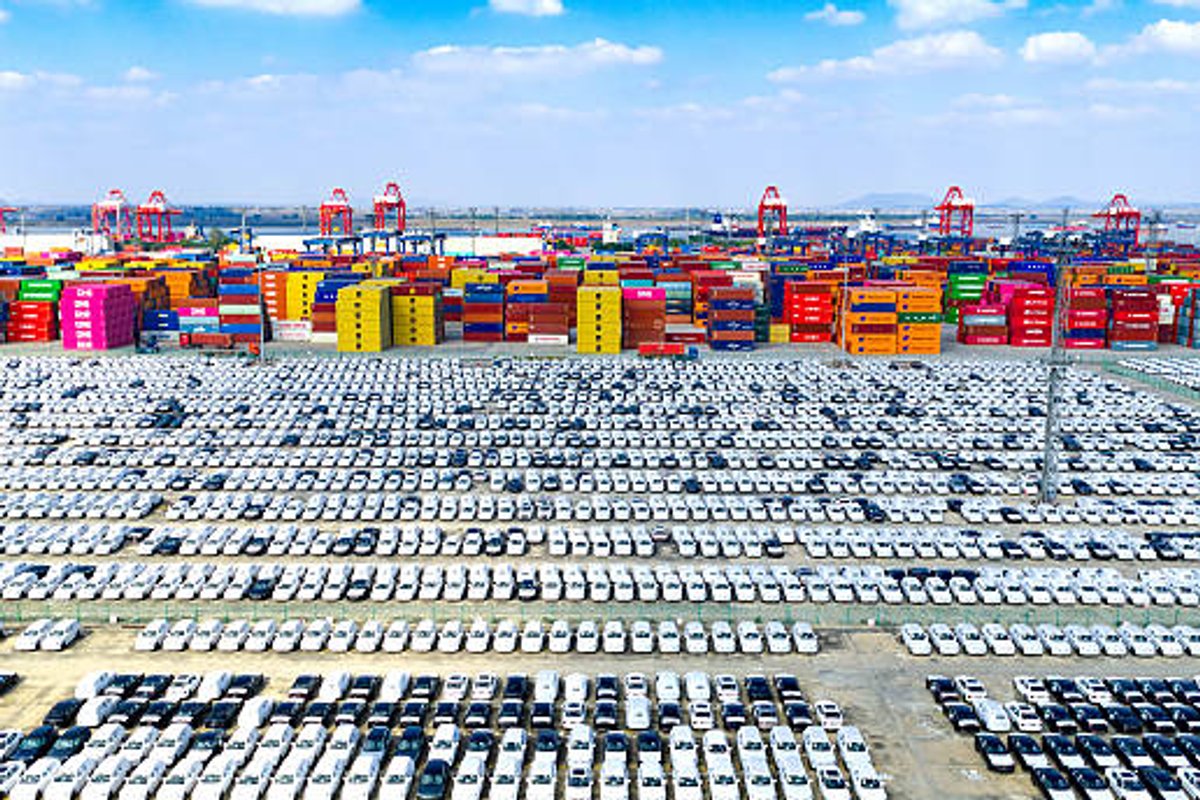
NEW DELHI / BRUSSELS | Jan 25 (GeokHub) India is preparing to sharply reduce import tariffs on passenger cars from the European Union, cutting duties to 40% from levels as high as 110%, according to sources familiar with the negotiations. The move would mark the most significant opening yet of India’s tightly protected automobile market as New Delhi and Brussels near a long-awaited free trade agreement.
Under the proposed framework, India would immediately lower tariffs on a limited number of EU-made cars priced above €15,000, with duties set to decline further to 10% over time. The changes are expected to ease access for European automakers including Volkswagen, Mercedes-Benz and BMW.
Officials on both sides declined to comment publicly, as talks remain confidential and subject to last-minute revisions.
‘Mother of All Deals’ Nears Conclusion
India and the European Union are expected to formally announce the conclusion of their free trade negotiations as early as Tuesday, following years of discussions. The agreement has been described by officials as the “mother of all deals,” reflecting its scale and strategic importance.
The pact is expected to significantly expand bilateral trade and could help offset pressure on Indian exports such as textiles and jewellery, which have been hit by higher U.S. tariffs in recent months.
India currently ranks as the world’s third-largest car market after the United States and China, yet it has long maintained some of the highest import duties globally — a policy frequently criticised by foreign automakers and executives.
Quota System and EV Exemptions
As part of the initial phase, New Delhi has proposed cutting duties to 40% on roughly 200,000 combustion-engine vehicles annually, a source said. Battery electric vehicles will be excluded from tariff reductions for the first five years, in a bid to protect domestic investments by Indian manufacturers such as Tata Motors and Mahindra & Mahindra. After that period, EVs would be subject to similar duty cuts.
The quota and timelines remain under discussion and could be adjusted before final ratification.
European Automakers Poised to Benefit
Lower tariffs would provide a major boost to European manufacturers including Volkswagen, Renault and Stellantis, along with luxury brands Mercedes-Benz and BMW. While several of these companies already assemble vehicles locally in India, high import duties have limited their ability to expand product offerings and scale operations.
Reduced taxes would allow automakers to introduce more imported models at competitive prices, test consumer demand, and potentially commit to greater local manufacturing in the future.
European brands currently hold less than 4% of India’s annual car market of about 4.4 million units, which is dominated by Suzuki Motor and domestic players Tata and Mahindra. Together, those firms control roughly two-thirds of total sales.
With India’s car market projected to grow to 6 million units annually by 2030, several global automakers are already positioning for expansion. Renault is pursuing a renewed strategy in India, while Volkswagen Group is finalising fresh investments through its Skoda brand.