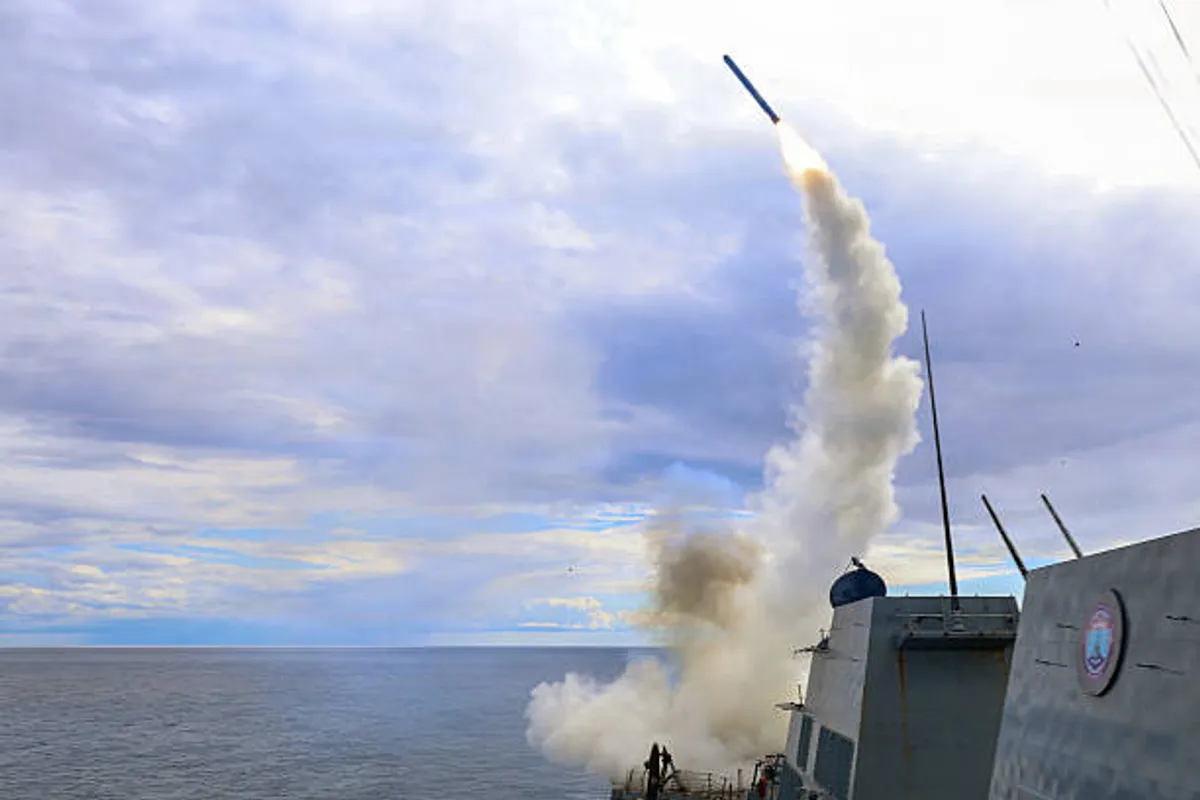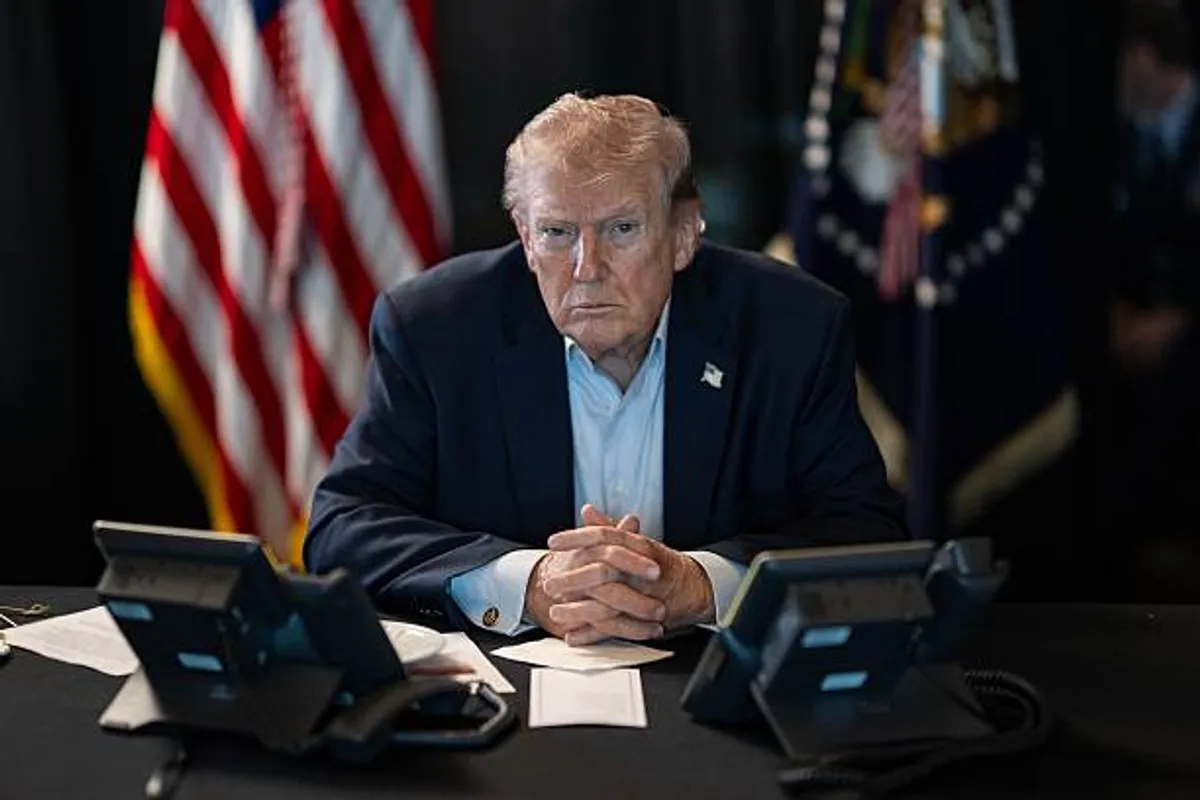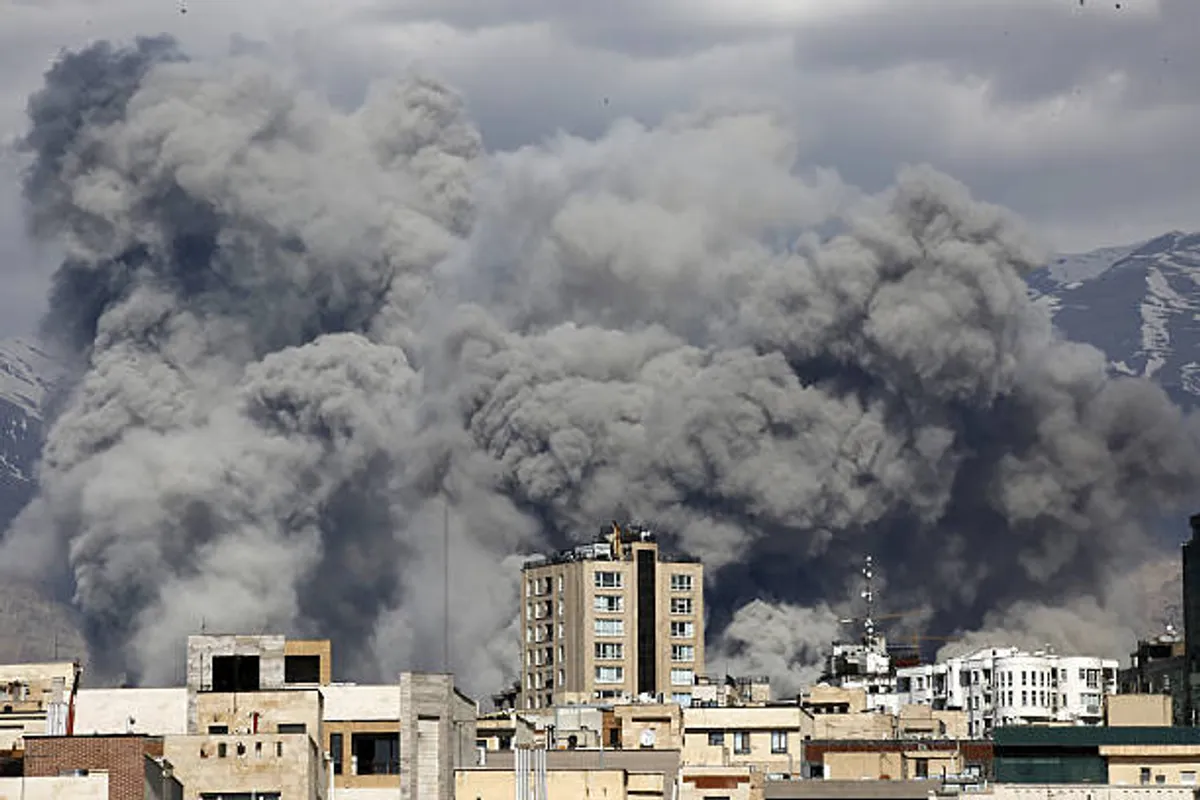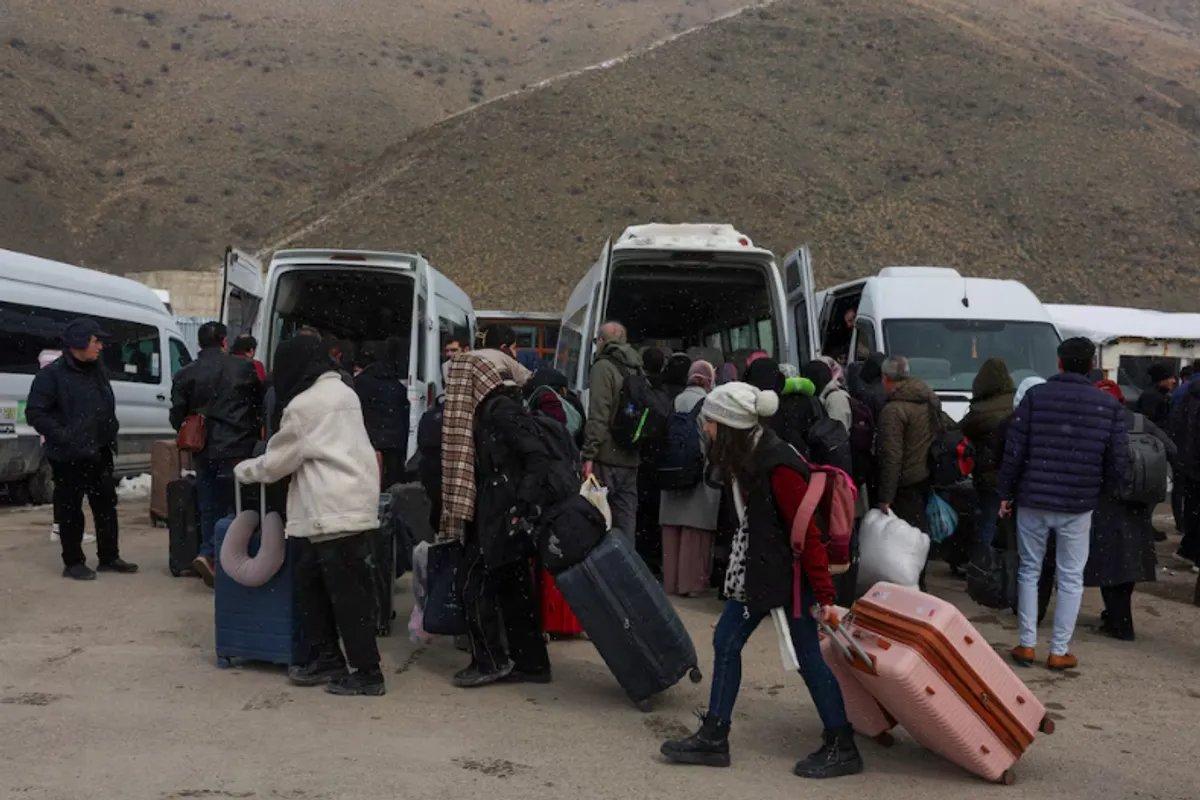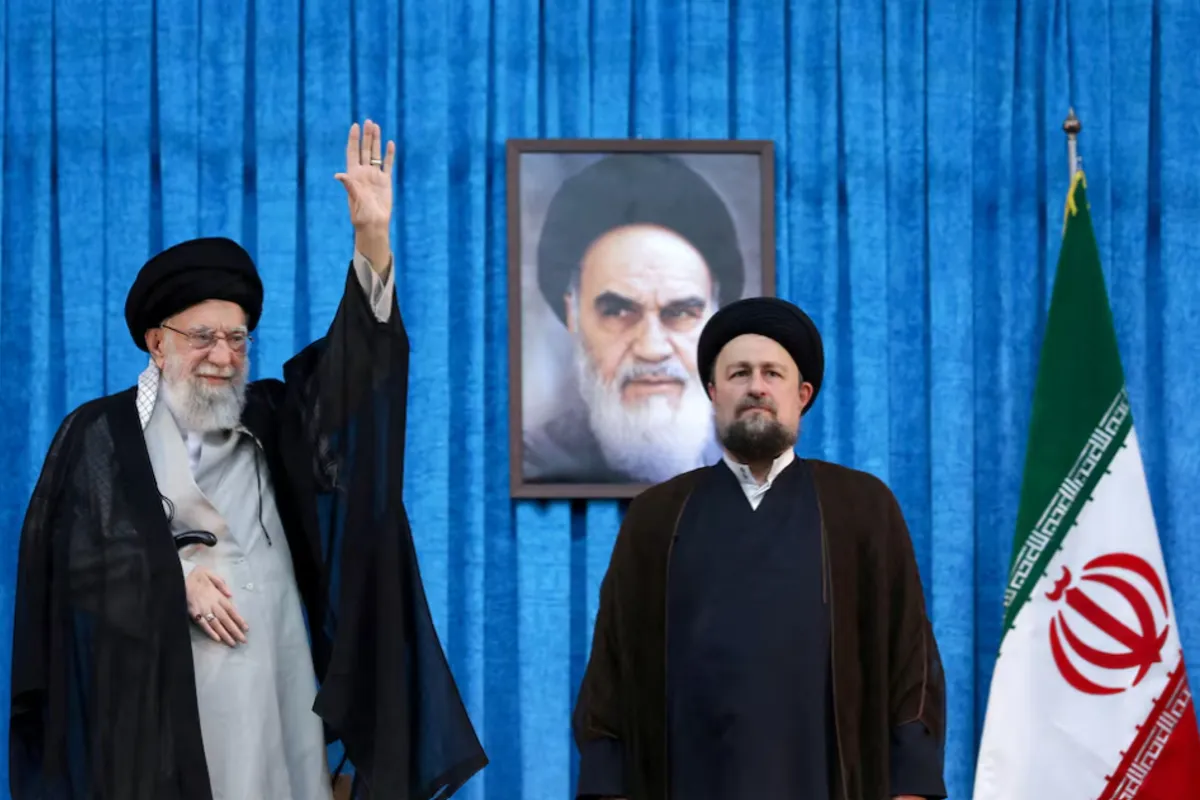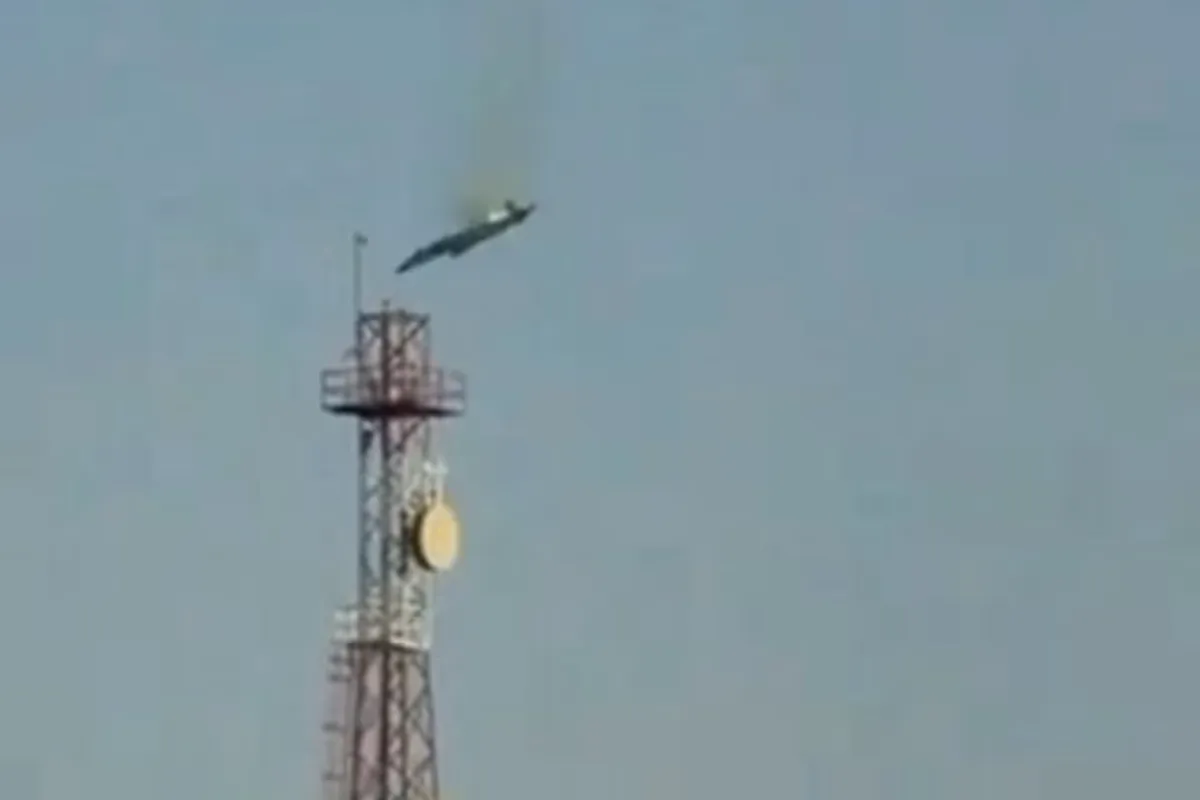
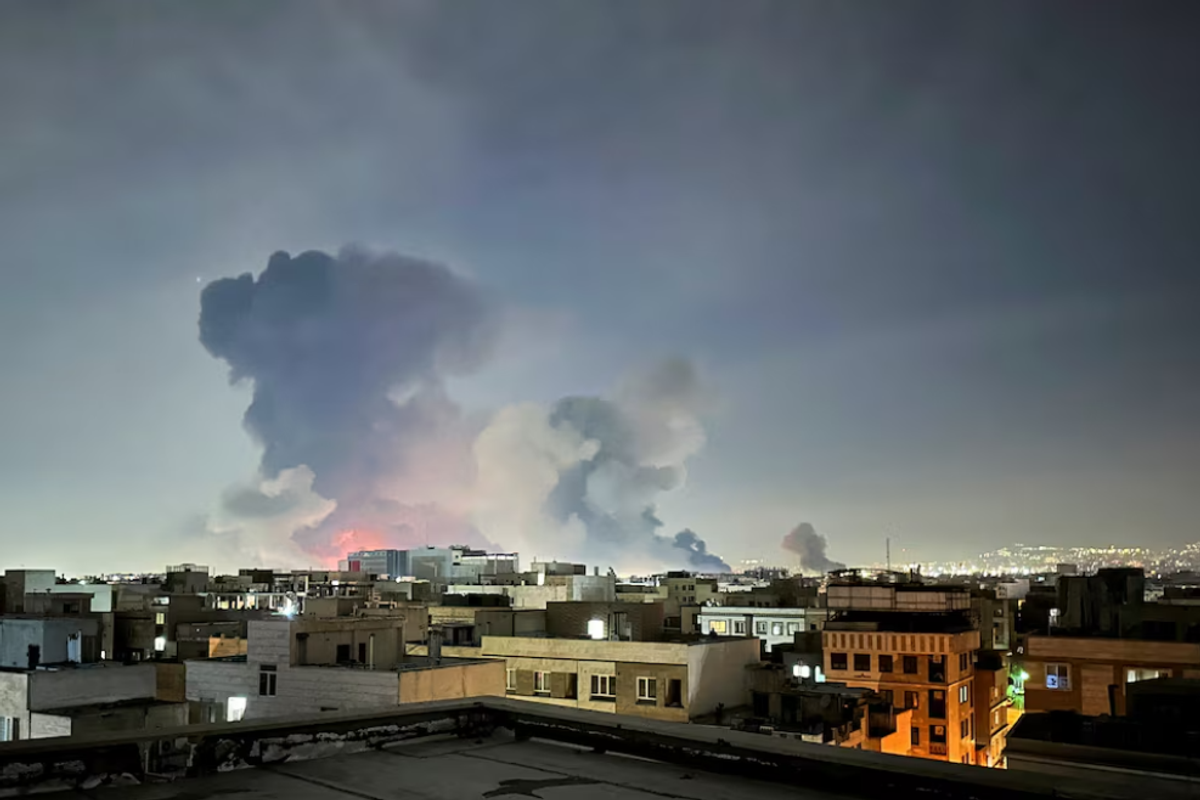
BEIRUT/WASHINGTON/TEL AVIV, March 7 (GeokHub) — Israel and Iran carried out new strikes against each other on Saturday as their escalating conflict entered a second week, while remarks from Iran’s president aimed at easing tensions with Gulf neighbours triggered backlash from hardliners at home.
Iranian President Masoud Pezeshkian said Tehran regretted the impact of its military actions on nearby countries and urged regional governments not to support the U.S. and Israel in attacks against Iran.
“I personally apologise to neighbouring countries affected by Iran’s actions,” Pezeshkian said, calling on them to stay out of the widening conflict.
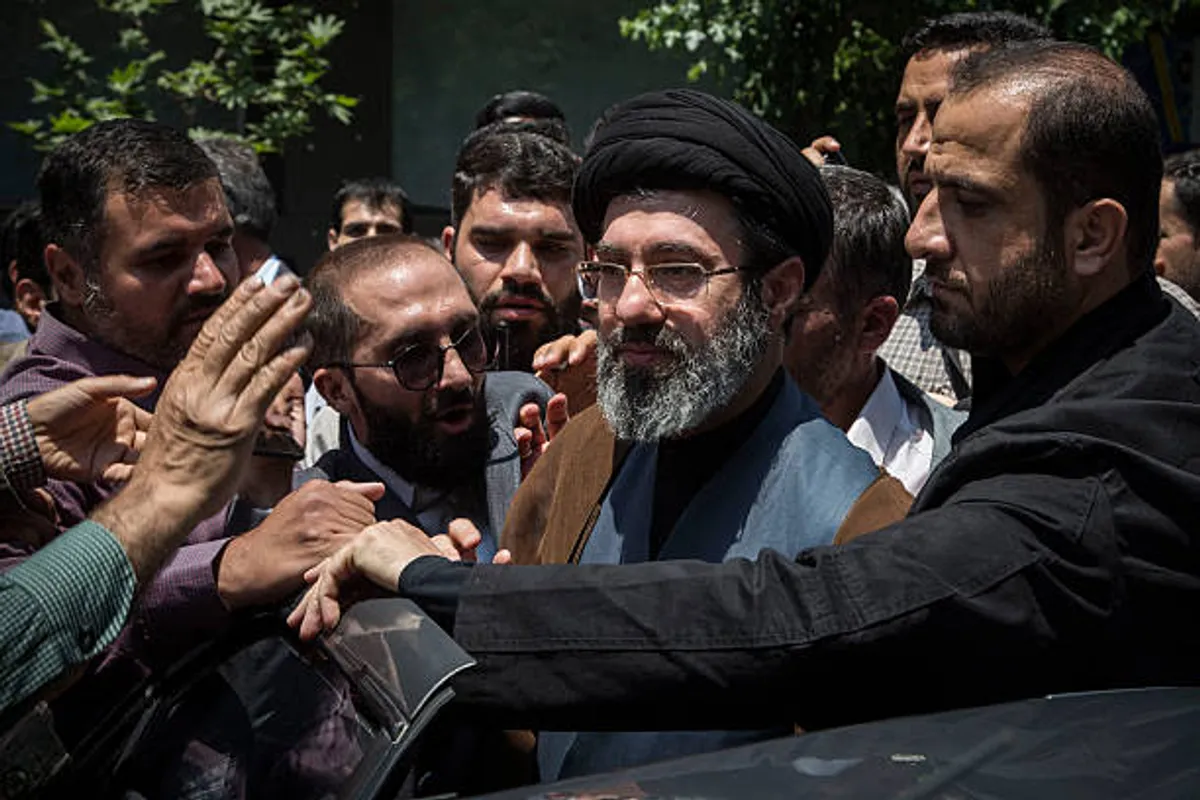
However, his comments quickly sparked criticism from conservative factions inside Iran. Some hardline lawmakers and clerics accused the president of appearing weak during wartime.
Hamid Rasai, a conservative cleric and member of parliament, publicly criticised the statement, saying it showed poor judgment during a national security crisis.
Officials from the president’s office later clarified that Iran’s military would continue to retaliate against any attacks launched from U.S. bases across the region.
Iranian strikes target U.S. military sites
Iran’s Revolutionary Guards said drone strikes had targeted a U.S. air combat facility at Al Dhafra Air Base near Abu Dhabi, though independent confirmation was not immediately available.
Iranian media also reported attacks on a U.S. military installation in Bahrain, while explosions were heard in Qatar’s capital Doha, according to witnesses.
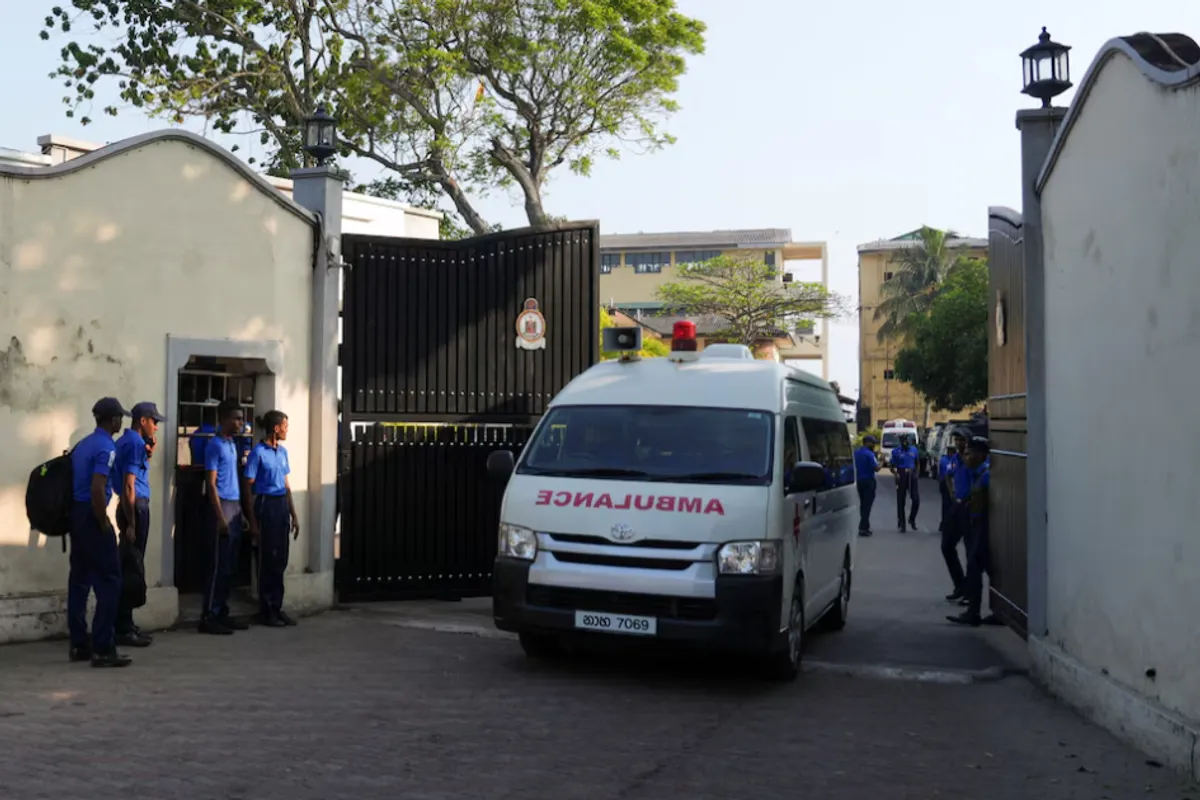
Authorities in Dubai said falling debris from intercepted drones caused several minor incidents across the city. One person was killed after fragments struck a vehicle in the Al Barsha district, while damage was reported on a building facade in Dubai Marina.
Air travel was briefly disrupted as airlines suspended some flights following the interceptions.
Gulf states condemn attacks
Several Gulf countries have condemned the attacks, saying their civilian infrastructure was targeted despite not being directly involved in the fighting.
Over the past week, the United Arab Emirates, Saudi Arabia, Qatar, Bahrain, Kuwait, Oman and Iraq have all reported drone or missile activity in their airspace.
UAE President Sheikh Mohammed bin Zayed Al Nahyan said the country would not be intimidated by the attacks while visiting people injured during recent strikes.
Israel expands strikes in Lebanon
As the conflict spreads, Israel intensified airstrikes against Hezbollah positions in Lebanon and warned Beirut it could face severe consequences if the group continues launching attacks across the border.
Heavy bombardment has hit the southern suburbs of Beirut, a stronghold of Hezbollah. Video footage showed large sections of buildings reduced to rubble following Israeli air raids.
Lebanon’s health ministry said Israeli attacks since Monday have killed at least 294 people.
Rising casualties and global impact
Iran’s ambassador to the United Nations said more than 1,300 Iranian civilians have been killed in strikes carried out by the United States and Israel, with thousands more injured.
Iranian missile and drone attacks have killed at least 10 people in Israel, while six U.S. service members have also died during the conflict.
The fighting has begun to ripple across global markets. Oil prices have surged to multi-year highs after shipping through the Strait of Hormuz was effectively halted, disrupting one of the world’s most important energy routes.
Kuwait has already started cutting oil production, joining Iraq and Qatar in reducing exports as tanker movement through the region becomes increasingly difficult.