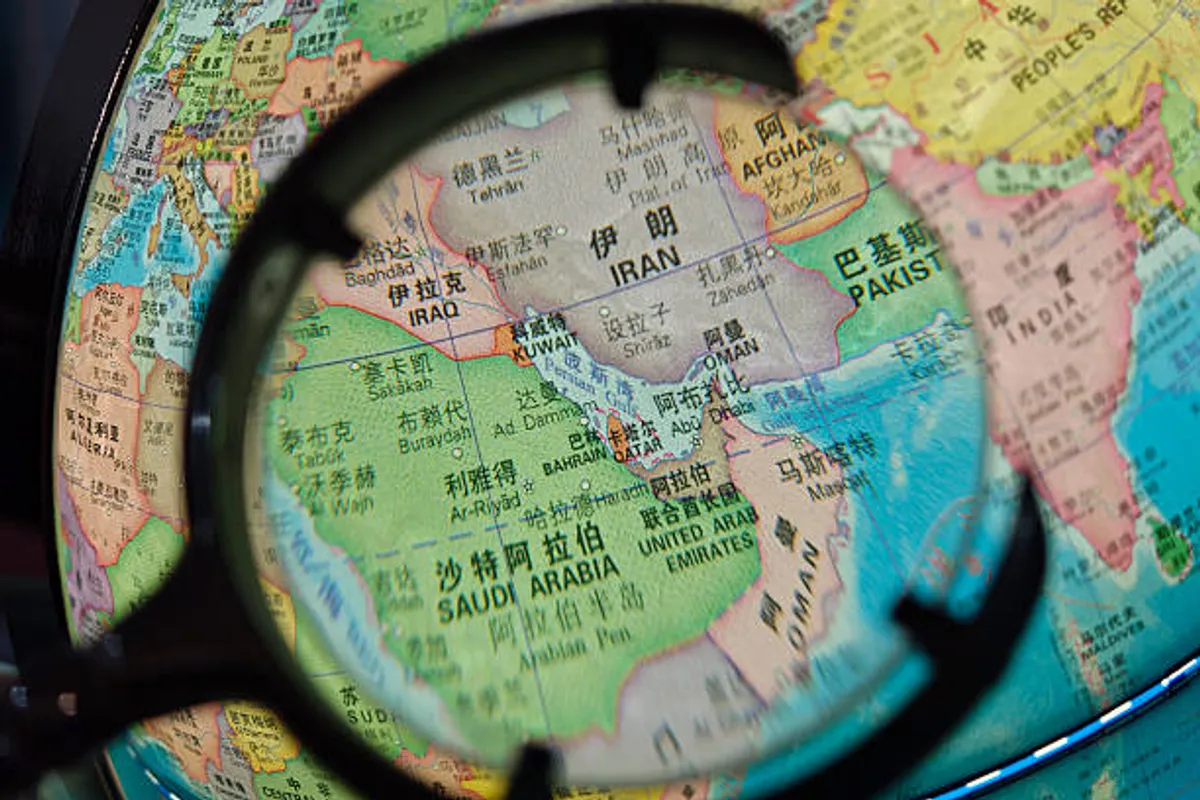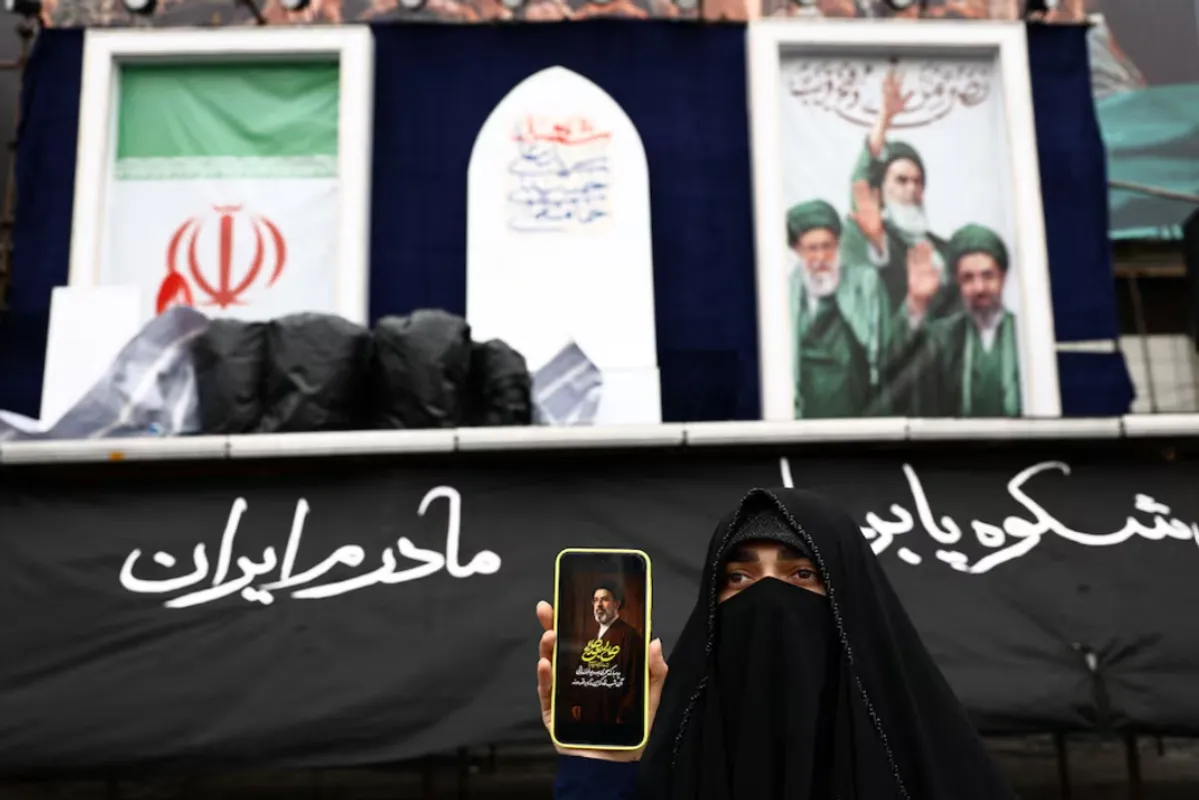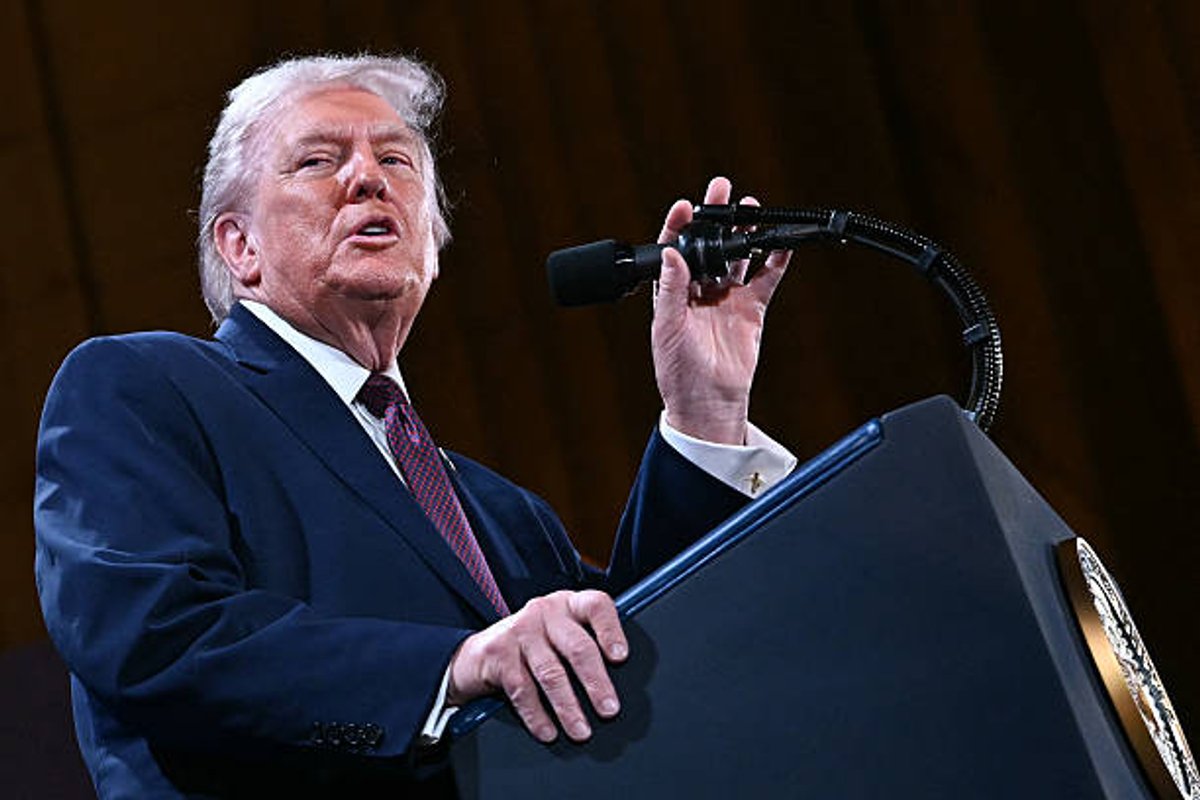
Dubai, Jan. 29 (GeokHub) U.S. President Donald Trump is reportedly considering a range of military options against Iran, including targeted strikes on security forces and senior leaders, in an effort to inspire renewed public protests and potentially engineer a change in leadership, according to multiple sources familiar with the matter.
The deliberations come after Iran’s recent crackdown on nationwide demonstrations, which resulted in thousands of deaths and marked the bloodiest unrest since the 1979 Islamic Revolution. Trump’s advisers are reportedly weighing whether limited strikes against commanders and institutions could embolden protesters to challenge the regime, though no final decision has been made.
Potential Strikes and Strategic Objectives
Sources indicate that Trump’s aides are also discussing more extensive strikes aimed at Iran’s ballistic missile capabilities and nuclear enrichment infrastructure. Iran has resisted negotiations on its missile program, viewing it as essential deterrence against Israel.
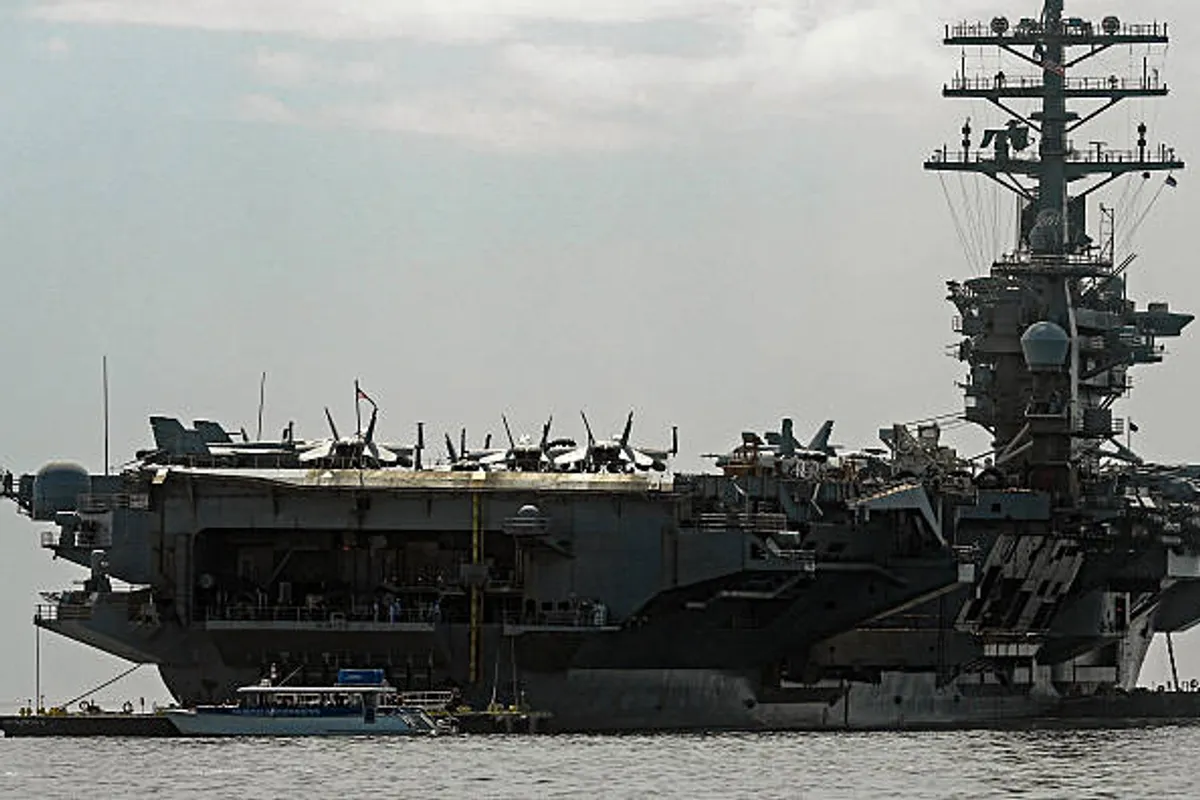
The recent arrival of a U.S. aircraft carrier and supporting vessels in the Middle East expands Washington’s military options. Trump has framed previous warnings and June airstrikes on nuclear facilities as a prelude, cautioning that any future attack would be more severe.
Iran’s Response and Stability
Iranian officials maintain that while the regime is preparing for possible confrontation, diplomatic channels remain open. Tehran insists its nuclear program is civilian in nature and has warned it will respond vigorously to any aggression.
Despite the unrest and economic pressures, multiple U.S. intelligence assessments suggest the Iranian government remains intact, with no major fractures in leadership. Supreme Leader Ayatollah Ali Khamenei has reduced public appearances and delegated daily governance to allies within the Islamic Revolutionary Guard Corps (IRGC), while retaining ultimate authority over war, succession, and nuclear strategy.
Regional and Global Concerns
Israeli and Arab officials caution that airstrikes alone are unlikely to topple the Iranian regime. Only a combination of internal dissent and external pressure could effect meaningful change. Arab states hosting U.S. forces—including Saudi Arabia, Qatar, Oman, and Egypt—have expressed concern over potential retaliatory strikes and refused to allow their territories to be used for attacks on Tehran.
Analysts warn that regime instability could trigger wider regional crises, potentially fragmenting Iran and sparking conflict reminiscent of Syria, disrupting oil flows, and inflaming sectarian tensions across the Middle East.