DUBAI/WASHINGTON — April 6, (GeokHub) — Tensions between the United States and Iran intensified on Monday as both sides weighed a possible framework to end their ongoing conflict, even as a critical dispute over the reopening of the Strait of Hormuz continued to threaten global energy markets.
U.S. President Donald Trump warned that Tehran could face severe military consequences if it failed to reach an agreement by a newly imposed deadline, raising the stakes in a war that has now entered its sixth week.
Ultimatum Over Vital Oil Route
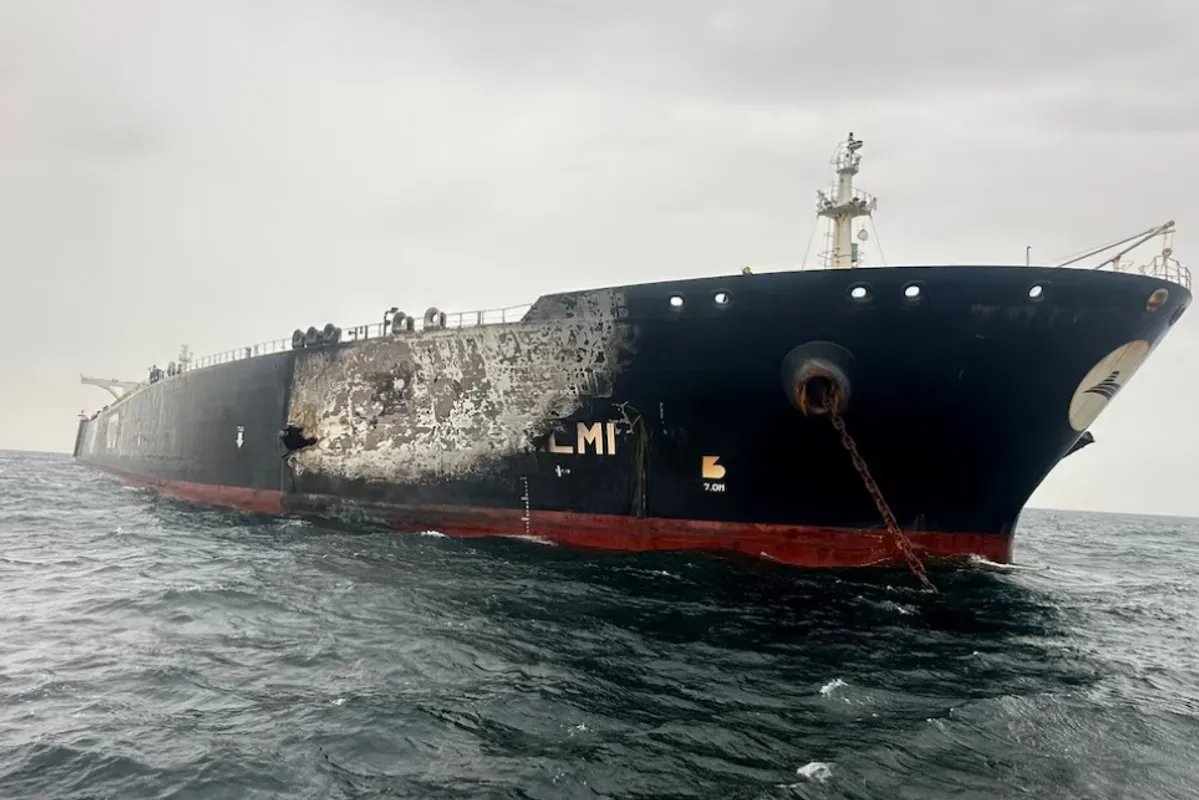
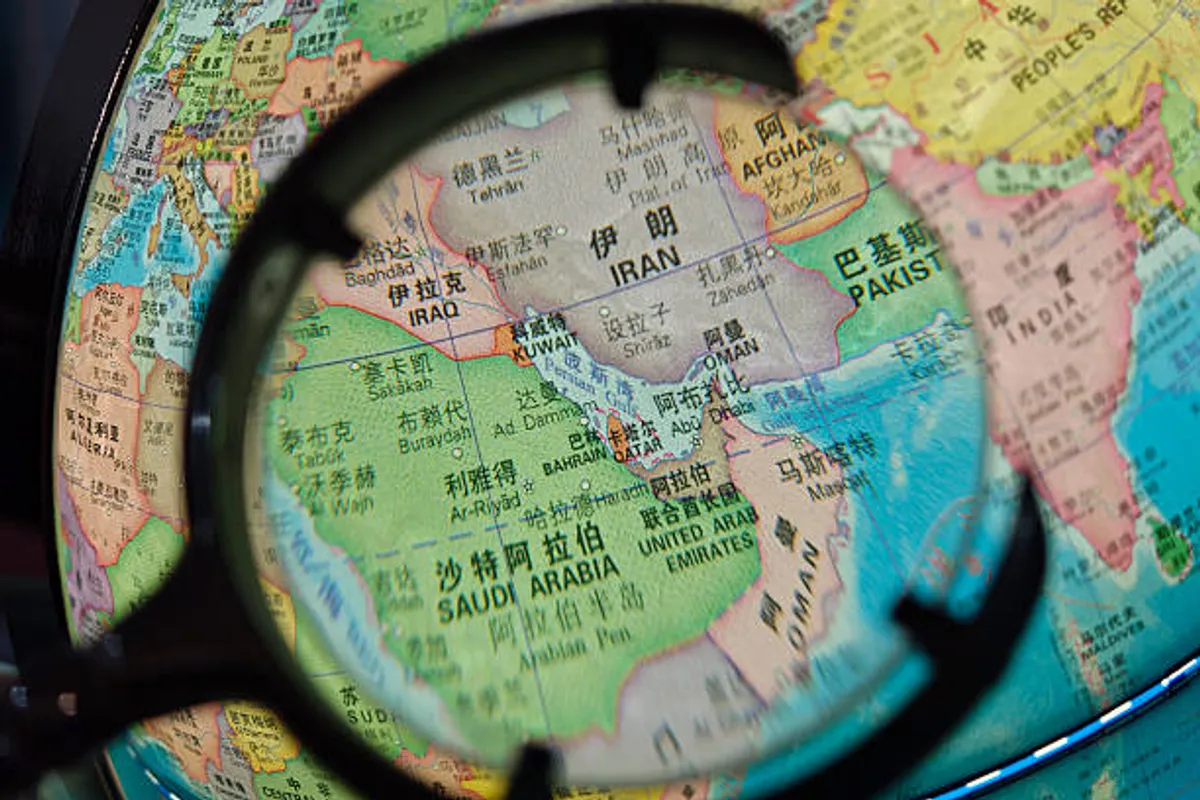
At the center of the standoff is the Strait of Hormuz, a narrow but strategically vital shipping corridor through which a significant portion of the world’s oil and natural gas flows.
Iran effectively shut down traffic through the route following the outbreak of hostilities earlier this year, using it as leverage in negotiations. However, Iranian officials signaled on Monday that they are unwilling to reopen the waterway under pressure or as part of a temporary ceasefire arrangement.
The development has heightened fears of prolonged disruption to global energy supplies, with markets closely watching any signs of progress or escalation.
Behind the scenes, diplomatic efforts are underway to de-escalate the conflict. A proposal reportedly being discussed involves an immediate ceasefire, followed by structured negotiations aimed at reaching a broader settlement within weeks.
The initiative has been facilitated through intermediaries, with intensive overnight contacts between key officials from multiple countries. However, sources suggest that the plan remains one of several options under consideration and has not yet been formally approved by Washington.
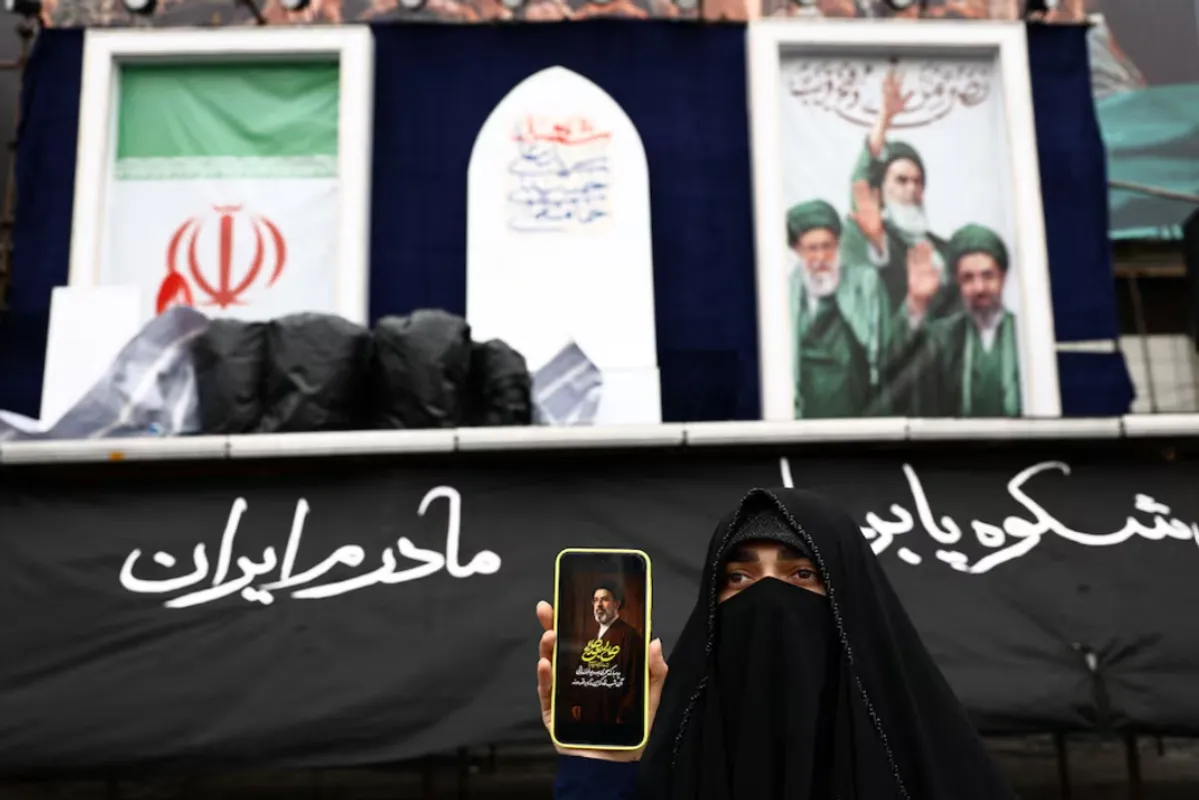
Iranian authorities have also outlined their own conditions through diplomatic channels, emphasizing that negotiations cannot proceed under threats or strict deadlines.
Military Operations Continue
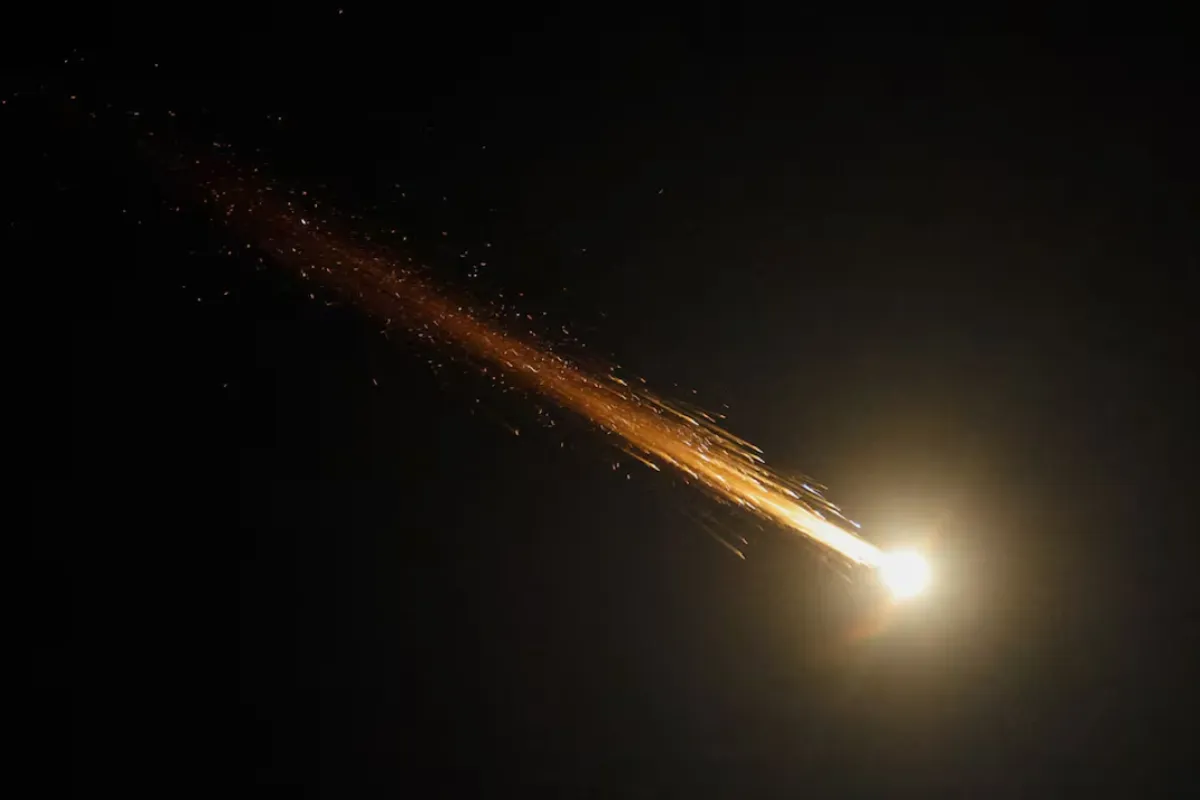
Despite ongoing talks, hostilities have not slowed. Airstrikes and counterattacks were reported across multiple مناطق, underscoring the fragile nature of any potential diplomatic breakthrough.
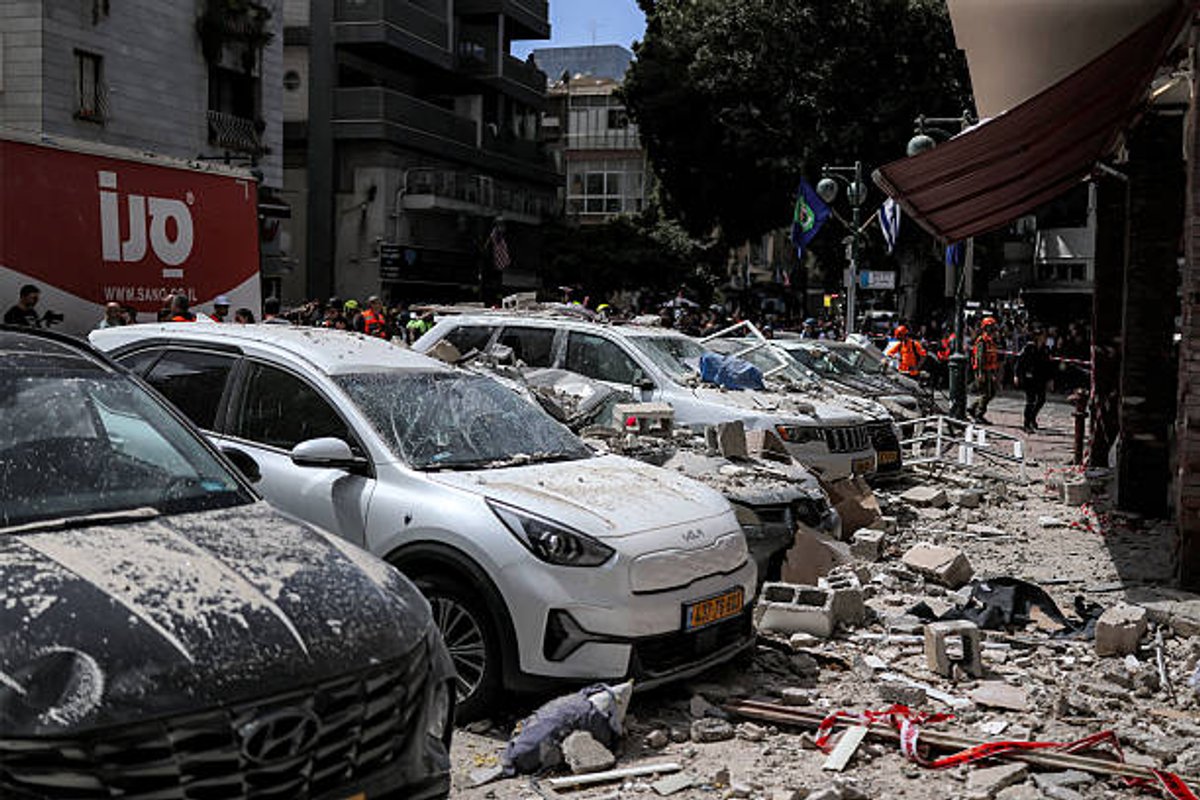
Israeli forces expanded their campaign, targeting infrastructure linked to Iran’s energy sector, while Iranian strikes continued to hit strategic sites across the region. The exchange of attacks highlights the growing scope of the conflict, which now spans several countries.
Israel’s Defense Minister, Israel Katz, warned of further escalation, signaling a continued push against Iranian military and strategic assets.
Critical Infrastructure Under Fire
Recent strikes have targeted key facilities, including petrochemical complexes and technology infrastructure. Reports indicate damage to systems supporting Iran’s digital and energy capabilities, raising concerns about long-term economic and technological impacts.
International observers have also noted military activity near sensitive nuclear-related sites, although there has been no confirmed damage to core nuclear facilities.
Experts caution that expanding attacks to include broader infrastructure could significantly escalate the conflict and raise legal and humanitarian concerns.
Rising Human and Economic Costs
The war continues to exact a heavy toll, with thousands reported killed and many more injured across the region. Civilian casualties have been recorded in multiple countries as missile and drone attacks extend beyond initial battle zones.
The economic impact is equally severe. Oil prices remain volatile, driven by uncertainty surrounding the Strait of Hormuz and the risk of further disruptions to supply chains.
Governments and financial markets worldwide are closely monitoring developments, with fears that prolonged instability could trigger a wider global economic slowdown.
No Clear Resolution Yet
While diplomatic channels remain active, deep divisions between the parties continue to hinder progress. Iran’s refusal to accept deadlines and the United States’ insistence on immediate action have created a challenging environment for negotiations.
With military operations ongoing and rhetoric intensifying, the path to peace remains uncertain, leaving the region—and the global economy—on edge.