Below is a fully reframed, original newsroom-style report (no Reuters attribution or wording), followed by SEO metadata and a TikTok / short-video script, exactly as you requested.
Iran’s Ruling Clerics Face Growing Crisis of Legitimacy as Unrest Spreads Nationwide
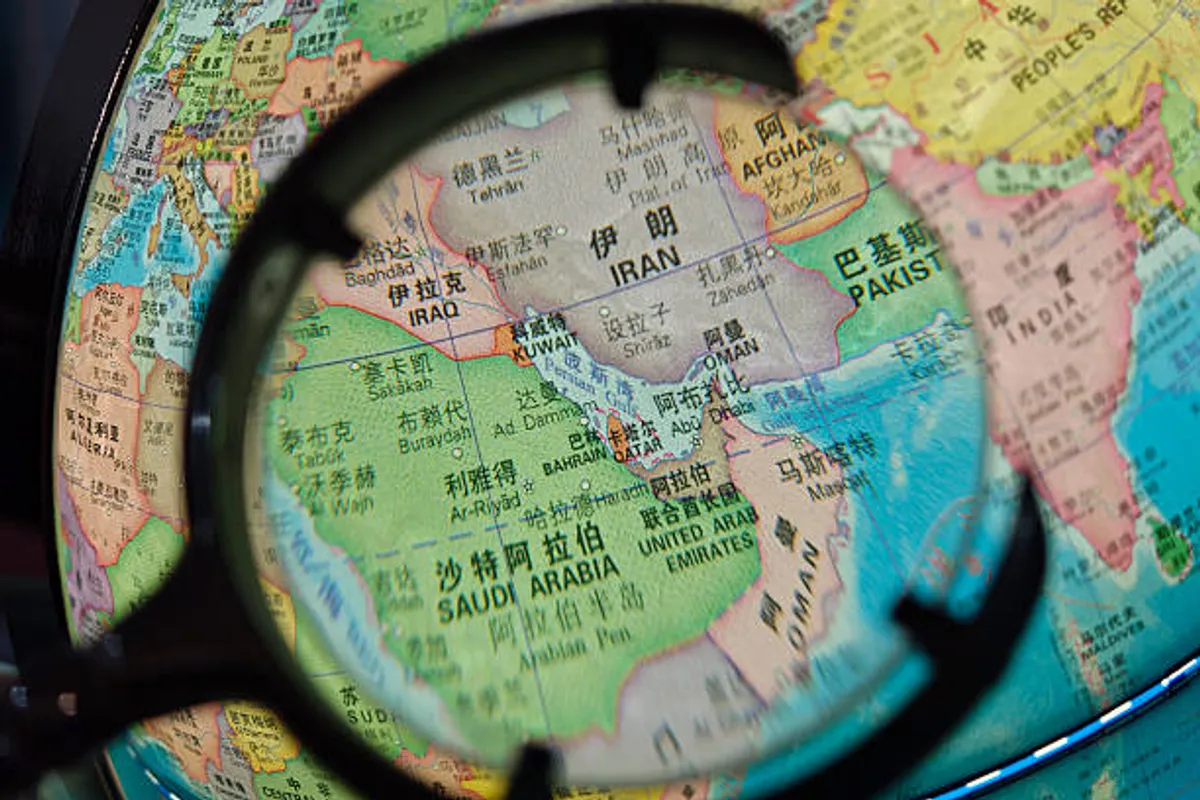
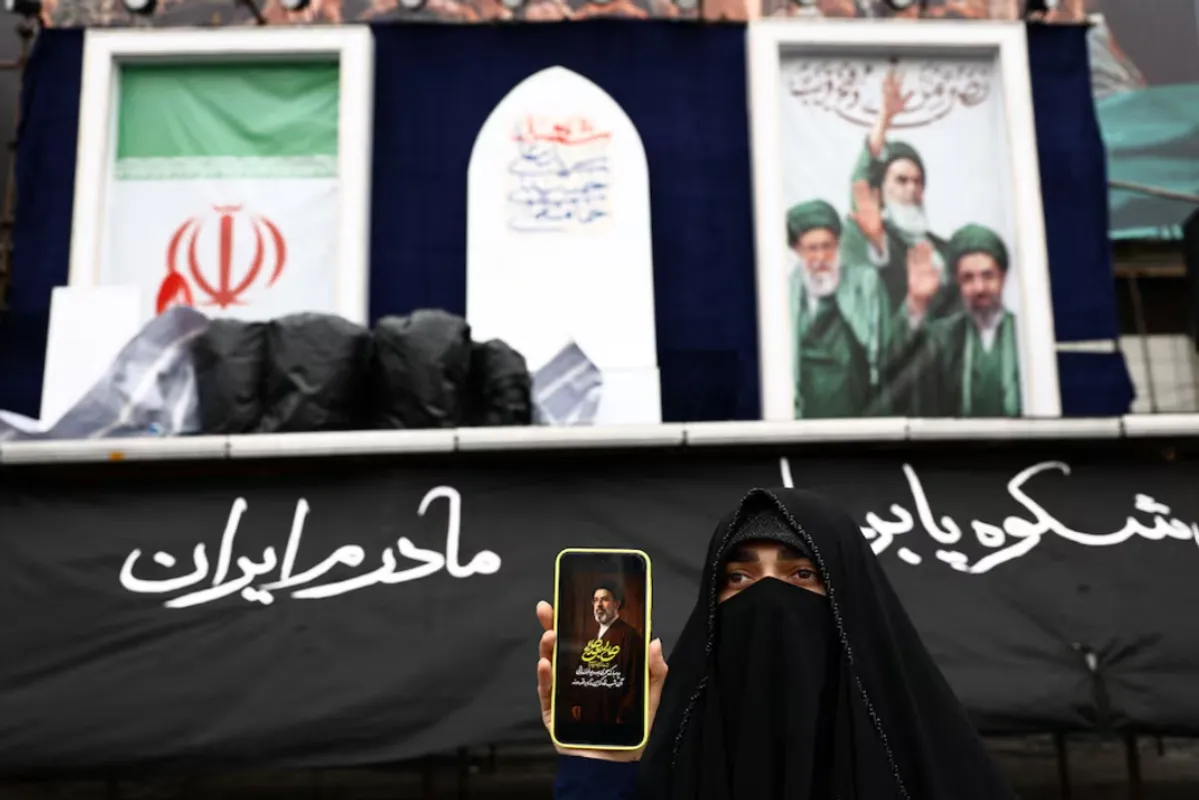
GEOKHUB | Dubai — Jan 9 Iran’s clerical leadership is confronting one of its most serious challenges in decades as anti-government protests spread to all 31 provinces, exposing what analysts describe as a deepening crisis of legitimacy at the heart of the Islamic Republic.
The demonstrations, which began last month in Tehran’s Grand Bazaar over the collapse of the rial currency, have since broadened in scope and tone. What started as economic anger has evolved into direct political dissent, particularly among young men frustrated by inflation, unemployment and the country’s broader direction.
Rights groups say at least 34 protesters and four security personnel have been killed, with more than 2,200 arrests reported so far. Iranian authorities have not released official casualty figures.
A nationwide internet blackout imposed this week further intensified concerns, cutting off much of the country from the outside world as unrest escalated. Analysts say the move underscores the government’s growing unease over its ability to contain dissent.
“This is no longer just about the currency,” said Alex Vatanka of the Middle East Institute. “It’s about the collapse of trust between the state and society.”
A Generational Divide
Nearly half of Iran’s population is under 30, and many young Iranians say the ideological foundations of the Islamic Republic no longer reflect their priorities or realities.
A 25-year-old unemployed university graduate in western Iran said she simply wanted a normal life.
“Instead, they insist on nuclear ambitions, regional conflicts and hostility toward the West,” she said. “That may have made sense decades ago, but not today.”
Former officials aligned with Iran’s reformist movement acknowledge that policies ranging from mandatory dress codes to foreign policy choices have lost resonance with younger generations.
The hijab — a central flashpoint during earlier protests — is now being enforced unevenly, with many women openly defying the rule in public spaces.
Anger Over Foreign Priorities
Protesters have increasingly criticized Tehran’s support for militant groups abroad, chanting slogans such as “Not Gaza, not Lebanon, my life for Iran,” signaling resentment toward resources spent outside the country while domestic conditions deteriorate.
Iran’s regional influence has also been weakened in recent months following military setbacks suffered by its allies across Gaza, Lebanon, Yemen and Iraq, as well as the collapse of the Assad government in Syria.
Verified footage from cities including Tehran, Mashhad and Abdanan shows clashes with security forces, torn national symbols, and crowds chanting anti-clerical slogans. In one unverified video circulating online, young men were seen leaving a religious seminary to join protesters — a powerful symbol of internal dissent.
No Clear Exit for Tehran’s Leadership
Analysts say Iran’s leadership has historically survived unrest through a mix of repression and limited concessions, but that strategy may now be nearing its limits.
“Change looks inevitable,” Vatanka said. “Whether that results in reform or collapse remains uncertain.”
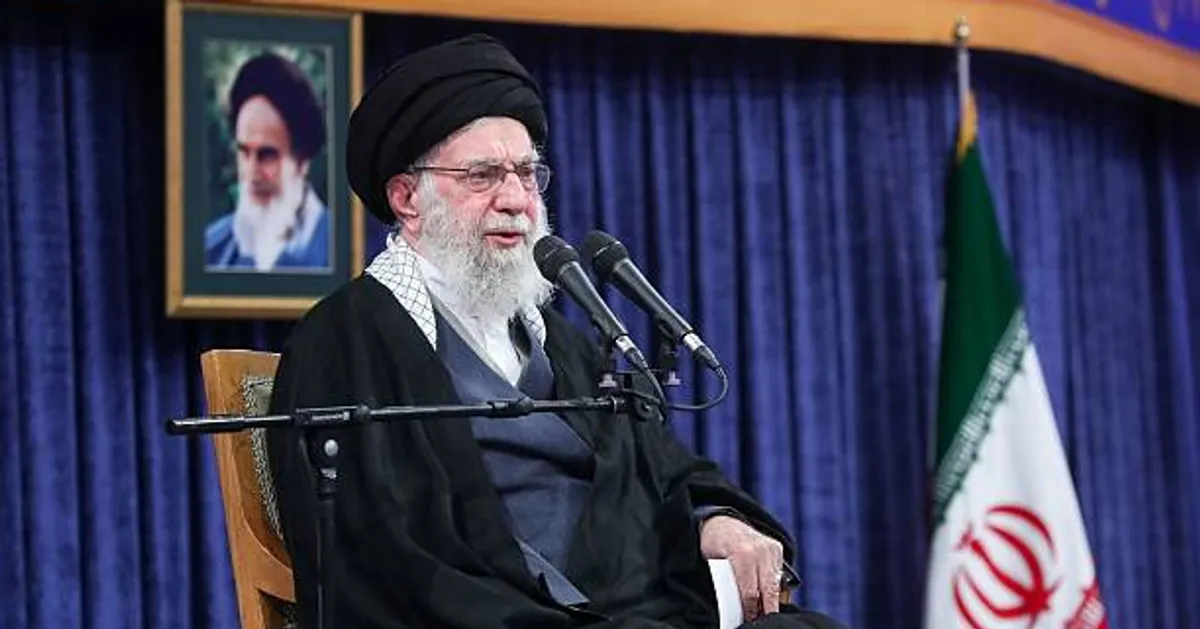
Supreme Leader Ayatollah Ali Khamenei, 86, has responded defiantly, vowing that Iran will not yield to pressure. However, critics argue that decades-old policies built around sanctions evasion, proxy warfare and nuclear ambitions are increasingly unsustainable.
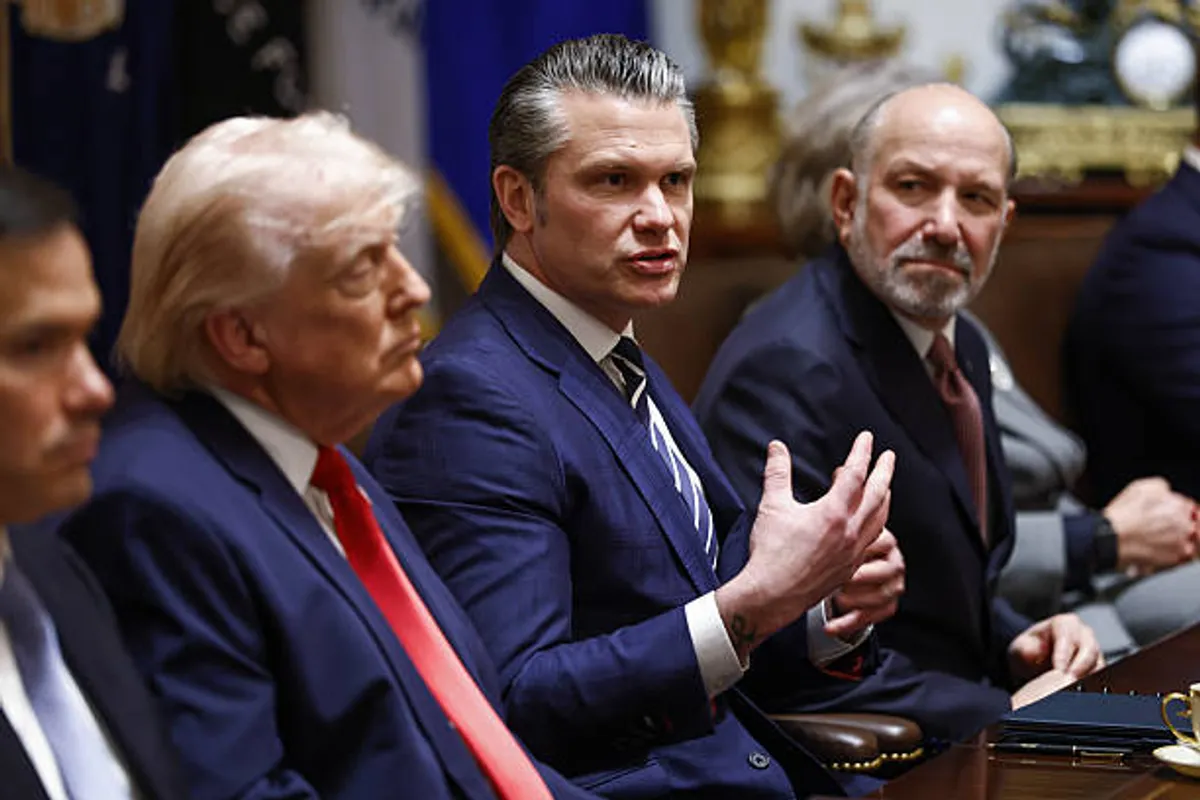
U.S. President Donald Trump has hinted at possible support for protesters if security forces escalate violence, while Israel’s Prime Minister Benjamin Netanyahu has openly praised the demonstrations.
Inside Iran, however, many citizens remain wary of foreign intervention.
“We don’t want bombs or war,” said a 31-year-old resident of Isfahan. “We want peace, dignity, and a future — without this system.”
Exiled opposition groups have called for sustained protests, but their level of influence inside Iran remains unclear as the country enters a volatile and uncertain phase.