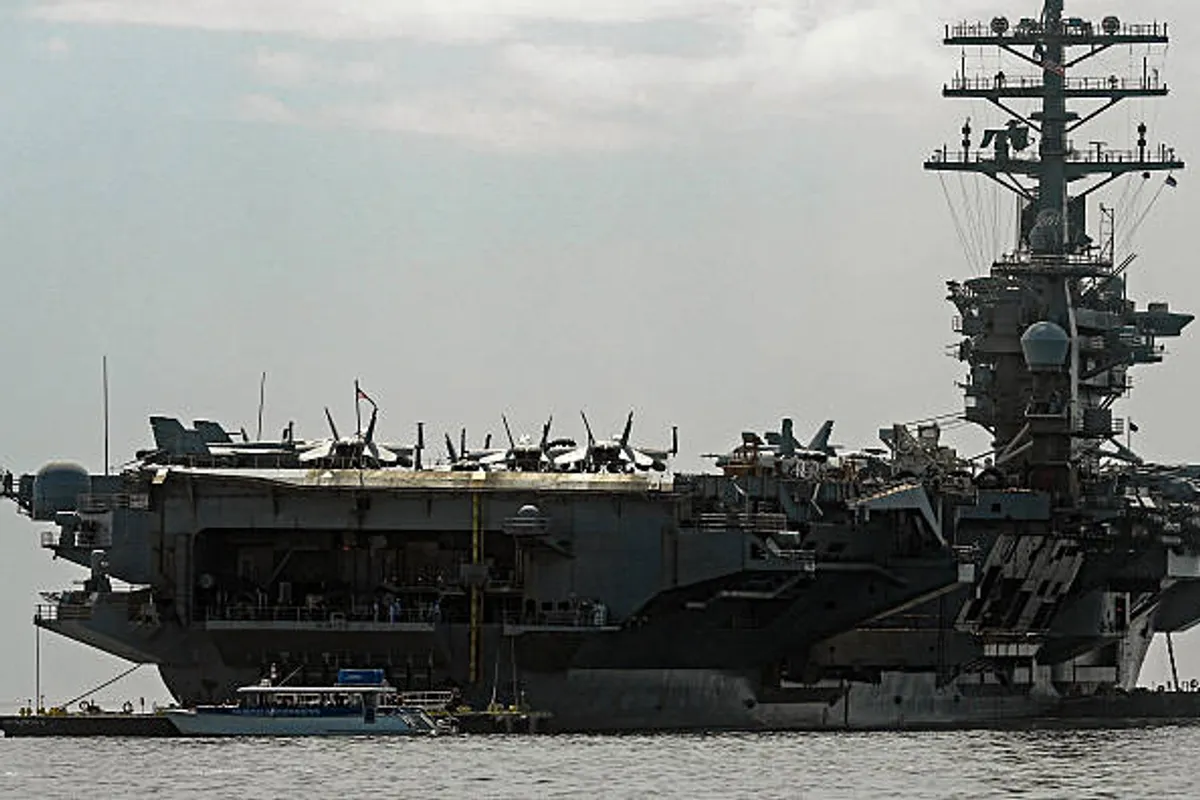
DUBAI / TEL AVIV / WASHINGTON — March 11 (GeokHub) — Air strikes continued across multiple regions of the Middle East on Wednesday as tensions escalated in the ongoing confrontation involving Iran, Israel and the United States, with both sides launching new attacks while Iran intensified security measures at home.
The conflict has now stretched into its twelfth day, with repeated exchanges of missile and air strikes reported across Israel, Lebanon and strategic areas in the Gulf region.
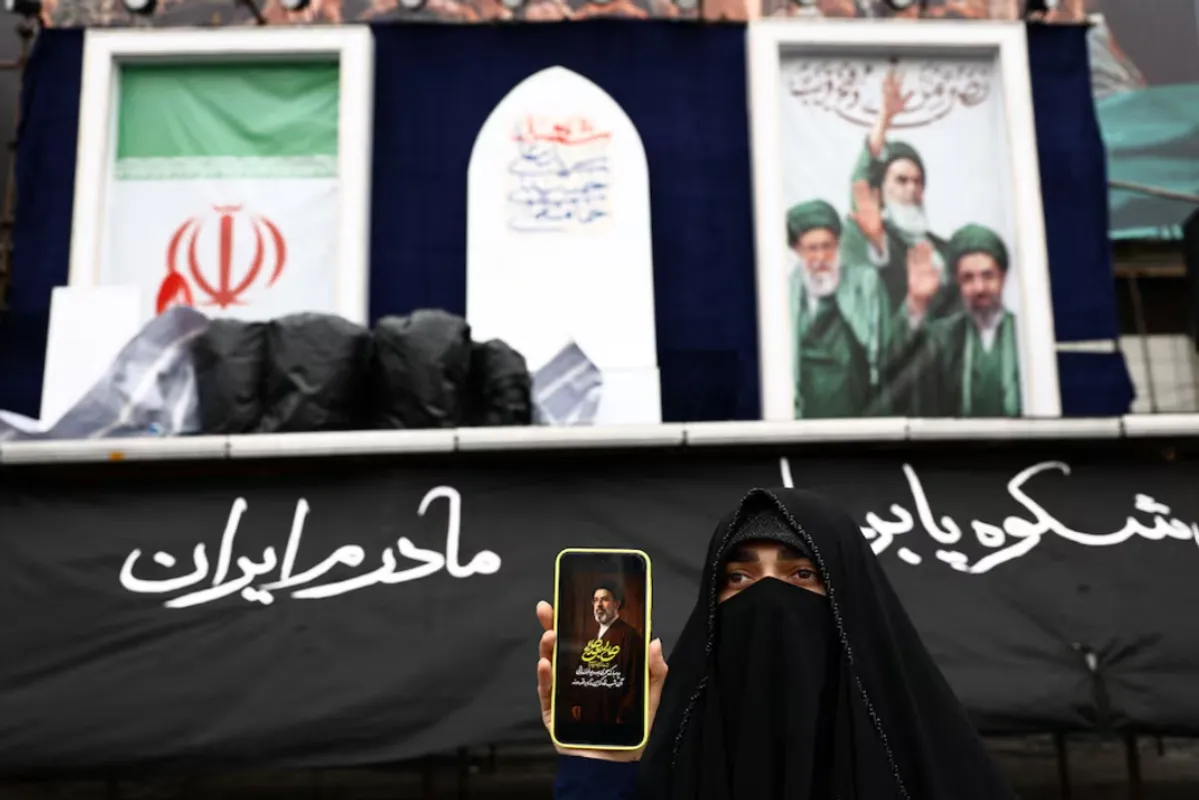
Iranian authorities also warned that security forces are prepared to act quickly against any anti-government demonstrations, signaling a tougher stance toward potential domestic unrest during the conflict.
Rising Regional Tensions
The latest military exchanges followed heavy bombardments earlier in the week, marking one of the most intense periods of fighting since the war began.
Israeli air defenses were activated overnight as missiles were reportedly launched toward Israeli territory. Sirens sounded across several areas, forcing millions of residents to seek shelter in secure locations.
Meanwhile, Israeli strikes targeted areas in Beirut linked to Hezbollah, the Iranian-backed group that has been launching attacks into Israel from Lebanese territory.
The exchanges highlight the expanding regional nature of the conflict, with multiple countries and armed groups now involved.
Shipping Disruptions in the Strait of Hormuz
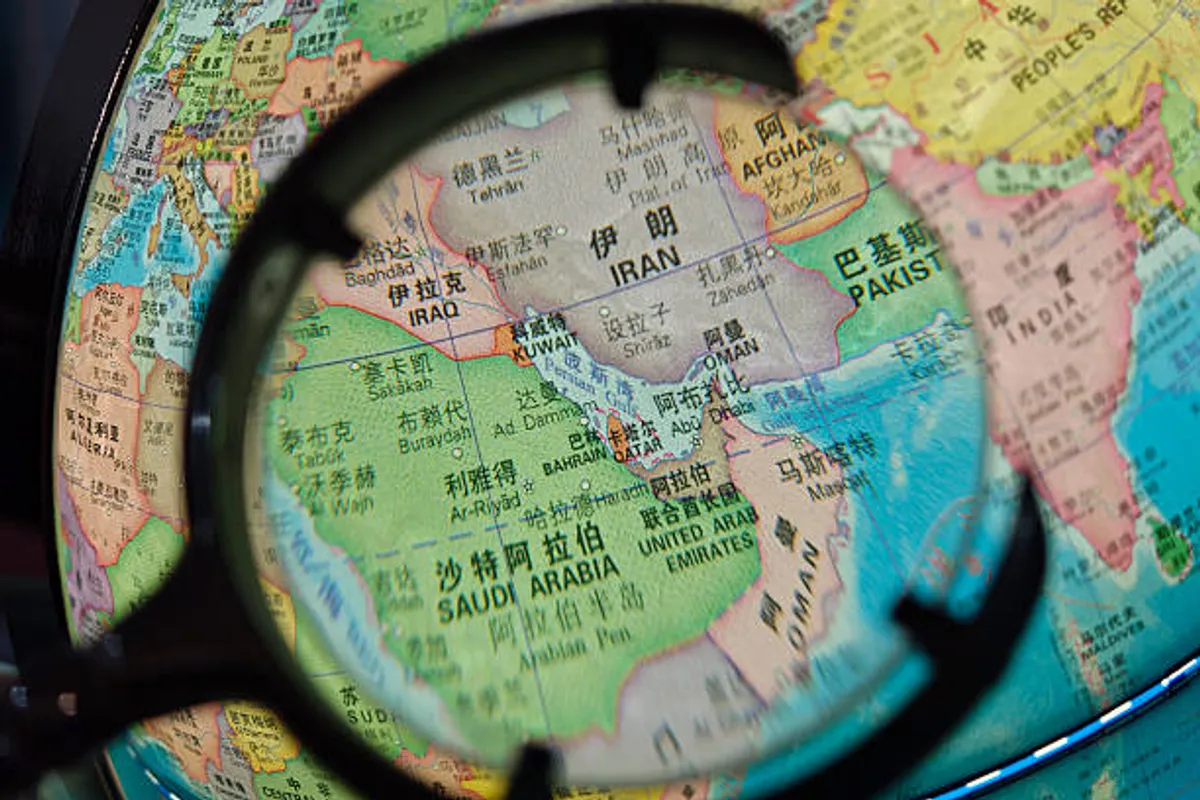
The escalating war has also disrupted global energy markets after tensions spread to the strategically important Strait of Hormuz.
The narrow waterway is one of the world’s most critical shipping routes for oil exports, handling roughly one-fifth of global fossil fuel shipments.
Recent hostilities have slowed maritime traffic through the strait, raising concerns about potential supply disruptions.
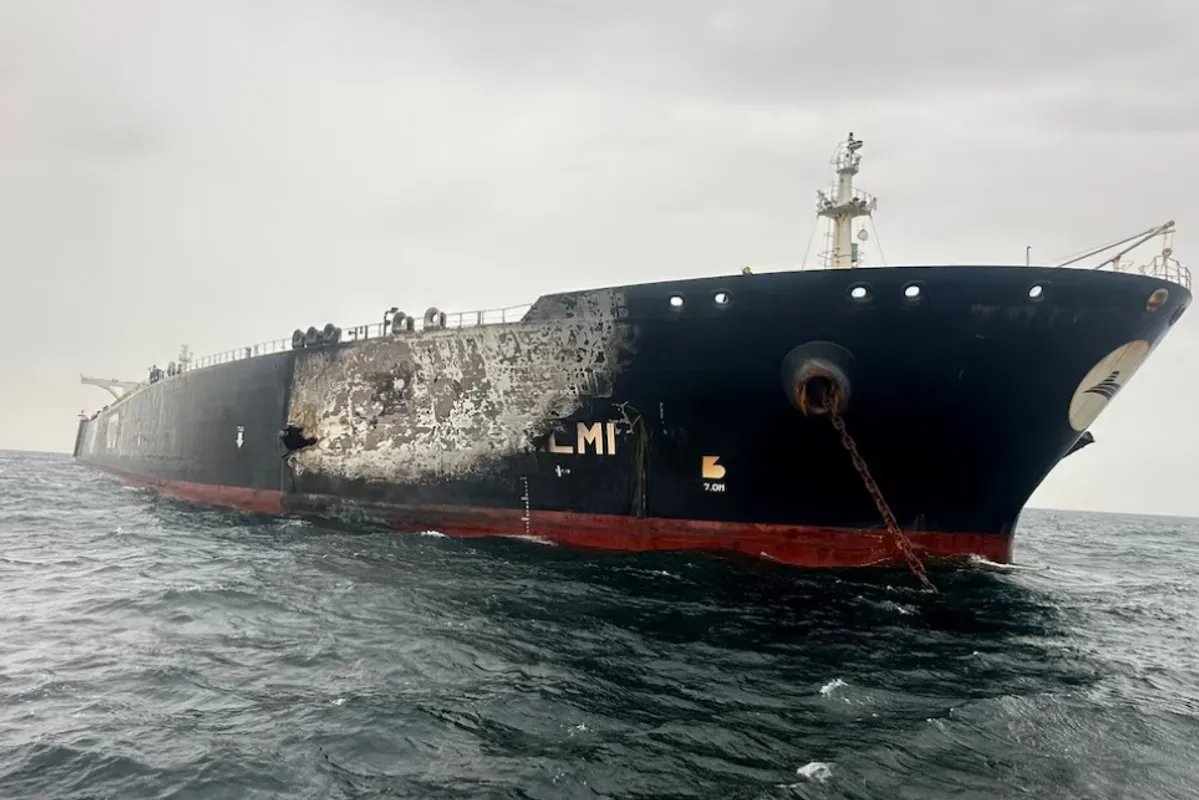
Authorities reported that a cargo ship in the strait caught fire after being struck by an unidentified projectile, forcing the crew to evacuate the vessel. A separate shipping incident was also reported near the coast of the United Arab Emirates involving damage to a container ship.
Iran’s military forces have warned that energy shipments from the Gulf could be targeted if attacks on Iranian territory continue.
Global Markets React
The risk of energy supply disruptions triggered a surge in crude oil prices earlier this week.
However, markets later stabilized as investors speculated that diplomatic efforts could eventually lead to a ceasefire.
Officials from the International Energy Agency have reportedly discussed releasing emergency oil reserves in an effort to stabilize global energy markets if supply disruptions worsen.
Iran Warns Against Domestic Protests
Inside Iran, authorities have tightened security measures amid concerns that the war could spark internal unrest.
Iran’s police chief, Ahmadreza Radan, warned that security forces are prepared to confront anyone attempting to organize protests during the conflict.
Government officials also confirmed that dozens of individuals have been detained on suspicion of espionage linked to foreign adversaries.
Despite widespread economic pressures and previous demonstrations in the country, there have been few signs of large-scale protests since the war began.
Mounting Casualties and Damage
According to Iranian officials, the ongoing air campaign has caused significant civilian casualties and infrastructure damage.
More than 1,300 civilians in Iran have reportedly been killed since the start of the strikes, with thousands of homes and public facilities damaged.
The conflict has also taken lives in Israel and Lebanon, highlighting the growing humanitarian toll as fighting spreads across the region.
Uncertain Path Ahead
With military operations continuing on multiple fronts and key shipping routes under threat, analysts warn that the conflict could have far-reaching consequences for regional stability and the global economy.
Diplomatic pressure is mounting for a de-escalation, but so far there are few signs that the fighting will end in the immediate future.